SANGRIA
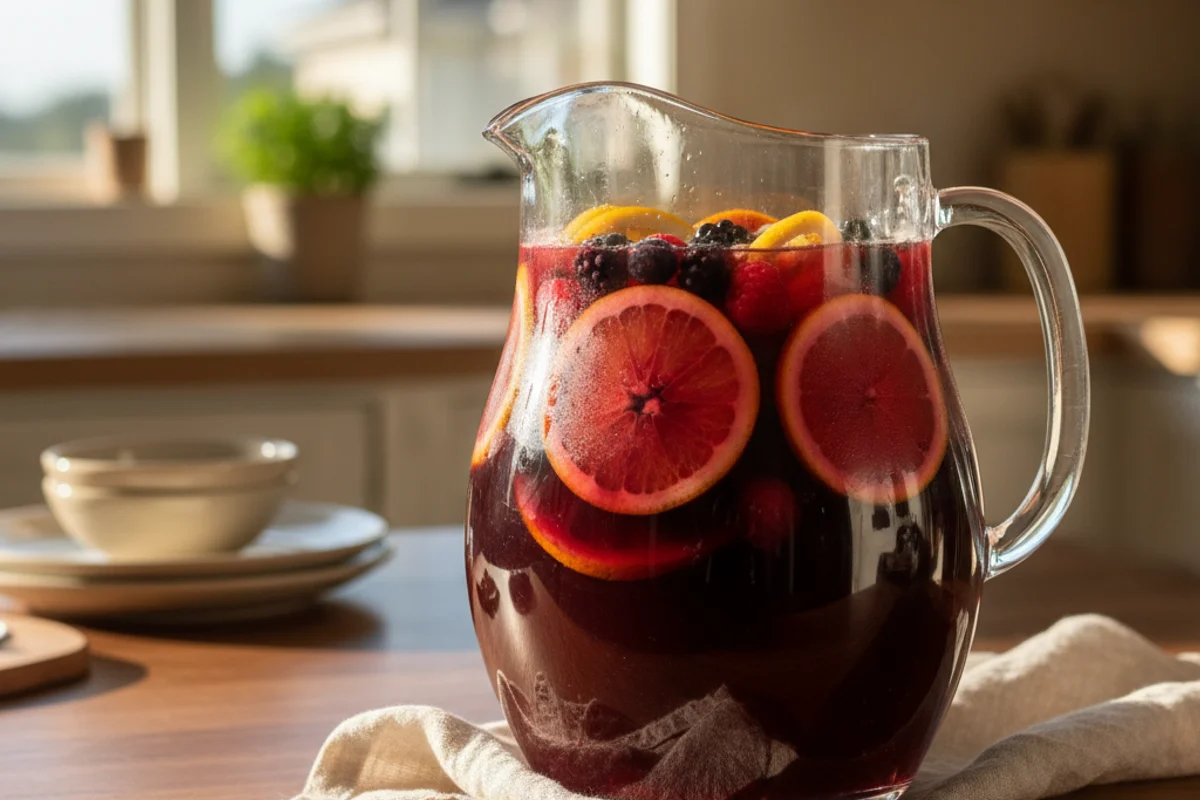
Sangria sits at the crossroads of wine and fruit punch — and that’s not an insult. Done right, it’s a deeply aromatic, fruit-forward drink where the wine acts as a vehicle, pulling flavor compounds out of fresh citrus, berries, and tropical fruit over a long, cold maceration. Four bottles of Pinot Noir, a cast of grocery-store fruit, and 24 hours in the fridge transform something ordinary into something genuinely worth bottling. Think of it less as a cocktail and more as a cold infusion with excellent table manners.
The beginner trap: Skipping the full 24-hour chill and serving it too soon — the fruit hasn’t had time to give the wine anything yet.
Ingredients
- 4 × 750 ml bottles Pinot Noir (any affordable, fruity red works)
- 1 × 16 oz bottle ginger ale
- 4 sweet oranges, peeled and thinly sliced
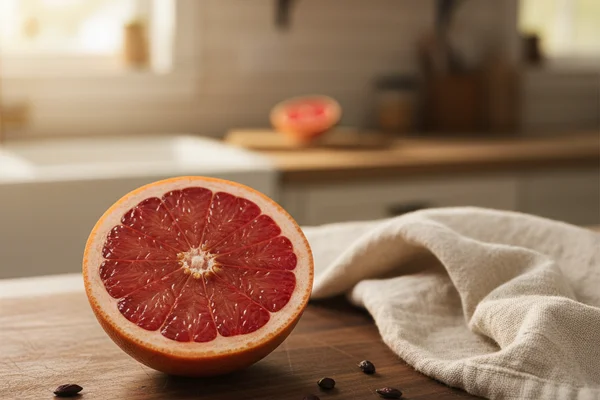
- 2 lemons, peeled and thinly sliced — or one 5 oz can grapefruit sections in syrup
- 1 pint fresh or frozen strawberries, hulled and sliced
- 1½ pints fresh or frozen blackberries (dewberries or mixed frozen berries work fine)
- 4 kiwis, peeled and thinly sliced
- 2 bananas, peeled and thinly sliced
- ¼ of a fresh pineapple, cored, peeled, and cut into ½-inch slices
Method
- Set a large glass bowl or pitcher on your work surface; do all fruit cutting over a rimmed plate or glass pie dish to catch every drop of juice, then pour that juice into the bowl.
- Peel and slice the pineapple quarter into ½-inch pieces and add them and any captured juice to the bowl.
- Peel and thinly slice the kiwis and bananas and add them to the bowl.
- Hull the strawberries, slice them, and add to the bowl; add the blackberries and gently combine all the fruit.
- Peel and thinly slice the oranges and lemons directly over the bowl, adding both fruit and juice; if using canned grapefruit sections, add the sections and all the syrup instead of the lemons.
- Pour the ginger ale over the fruit, then add all four bottles of wine and stir gently to combine.
- Cover tightly with plastic wrap and refrigerate for a full 24 hours — no shortcuts.
- Serve as-is straight from the bowl, or strain the liquid, press the fruit firmly to extract every bit of juice, combine the pressed juice with the strained wine, and bottle for a cleaner, longer-lasting version.
Why this works
Cold maceration is the engine here. When sliced fruit sits in an acidic, alcohol-rich liquid overnight, the alcohol acts as a solvent, pulling fat-soluble aromatic compounds out of the fruit that water alone can’t reach. The citrus oils from the orange and lemon peel are especially potent — they contain limonene and other terpenes that give the finished sangria a bright, almost floral lift. The ginger ale adds light carbonation and a touch of sugar that balances the wine’s tannins. Pinot Noir is ideal because its relatively low tannin level won’t turn harsh when mixed with the fruit acids over that long soak.
Notes
Frozen strawberries and blackberries work just as well as fresh — thaw them slightly before adding so they release juice into the bowl faster. If Pinot Noir is out of budget, any light-to-medium-bodied red (Merlot, Garnacha, or a basic table wine blend) does the job. For a non-alcoholic version, swap the wine for unsweetened grape juice and reduce the ginger ale to taste.