Book Review
Jon Iverson’s Home Winemaking Step by Step
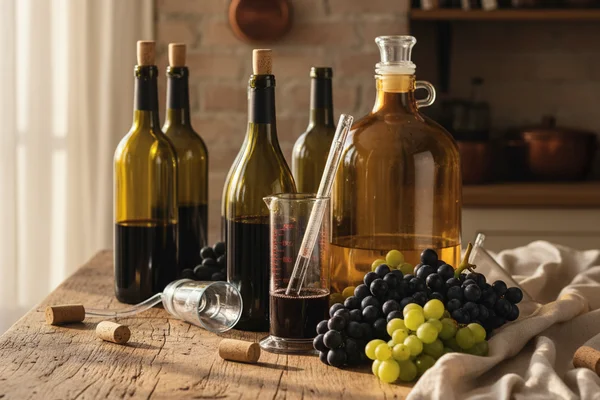
There are books that sit on the shelf looking useful, and then there are books that actually get used — spine cracked, pages dog-eared, margins filled with notes. Jon Iverson’s Home Winemaking Step by Step falls firmly in the second category. Whether you’ve never crushed a grape or you’ve been doing it for decades, this book meets you exactly where you are and pulls you forward. It covers everything from basic fermentation to malolactic conversion, carbonic maceration, fining, and sparkling wine production — without ever making you feel lost.
The beginner trap: New grape winemakers often skip this book entirely, assuming they can piece together enough from forums and YouTube — and then spend years slowly unlearning bad habits.
Ingredients
This is a book review, not a recipe. No ingredients apply.
Method
- Pick up a copy of Home Winemaking Step by Step (Second Edition) by Jon Iverson, published by Stonemark Publishing Company.
- Start at page one — even if you’re experienced. The beginner sections build a foundation that makes the advanced chapters click.
- Pay close attention to the appendices. They’re packed with reference tables, procedures, and resources you’ll return to again and again.
- Keep it on your bench, not your bookshelf. This is a working reference, not a coffee table book.
Why this works
Good winemaking books are rare because the gap between beginner and advanced topics is usually a canyon. Most books either talk down to experienced makers or overwhelm newcomers with jargon. Iverson threads that needle by weaving technical concepts — acidity management, stabilization, extended maceration, malolactic fermentation — directly into the narrative flow of the winemaking process itself. You encounter each idea exactly when it becomes relevant, which is how people actually learn. The appendices function like a built-in reference lab: when something goes sideways at 2 a.m. and your fermentation looks wrong, the answer is probably already in there.
Notes
This review covers the Second Edition (1998). Later printings may exist — check for the most current version when ordering. If you’re brand new to grape winemaking and can only buy one book, make it this one.