Common Persimmon
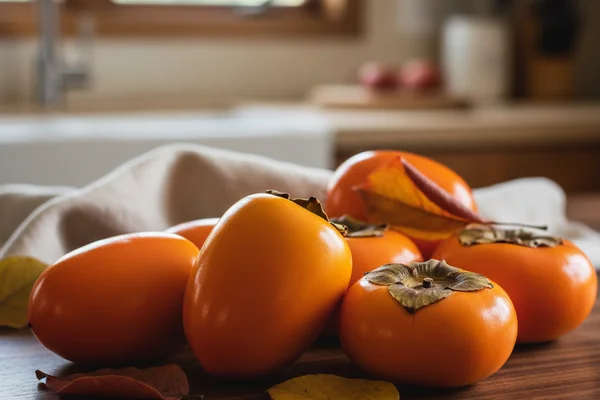
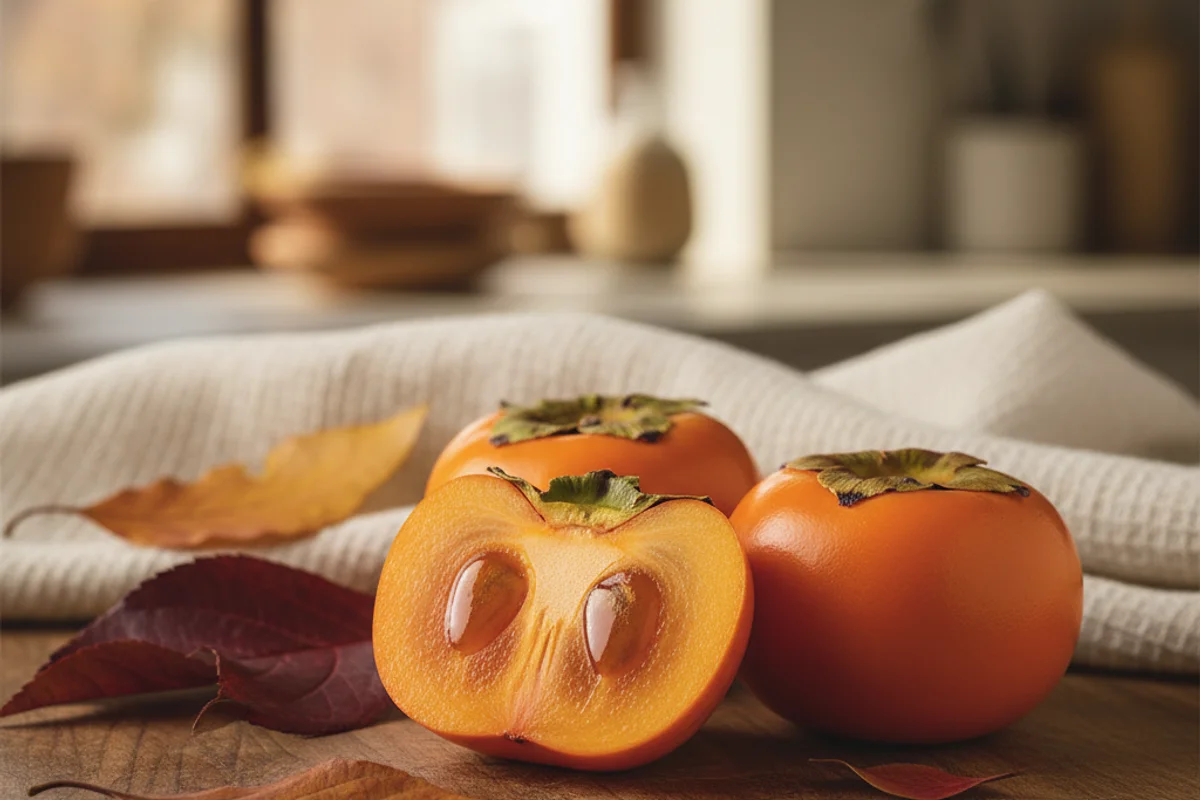
Bite into an unripe persimmon and your mouth will pucker like you kissed a lemon wrapped in sandpaper. Wait until after the first hard frost, though, and that same fruit transforms into something almost custardy — honey-sweet, with a faint spice that sits somewhere between apricot and cinnamon. That flavor profile translates beautifully into wine. Oriental persimmons from the grocery store give you a clean amber result. Wild natives work too, though the finished wine runs darker and a little murky-looking. Don’t let that stop you.
The beginner trap: Using fruit that isn’t fully ripe will load your wine with so much tannin and astringency that no amount of aging will save it — only use persimmons that are soft, deeply colored, and practically falling apart.
Ingredients
- 3 lbs ripe persimmons, fresh or frozen, quartered and mashed
- 1¾ lbs granulated white sugar, divided
- 1 tbsp acid blend (or 1½ tsp citric acid from the baking aisle)
- ½ tsp pectic enzyme
- 7 pts (3.5 quarts) water
- 1 Campden tablet, crushed (or ¼ tsp potassium metabisulfite)
- ½ tsp yeast nutrient
- 1 packet wine yeast — Montrachet, Pasteur Red, or Champagne
Method
- Wash the persimmons, quarter them, and press out the seeds by hand. Mash the pulp thoroughly and place it in your primary fermenter.
- Add half the sugar, the acid blend, yeast nutrient, and crushed Campden tablet. Pour in enough water to reach one gallon total. Stir until the sugar dissolves, then cover.
- After 12 hours, stir in the pectic enzyme. Re-cover and wait another 12 hours.
- Sprinkle in the yeast, cover, and ferment for 5–7 days, stirring once daily.
- Strain the must through a fine-mesh strainer or nylon bag into a clean vessel. Fine pulp passing through is fine — it will settle out on its own.
- Stir in the remaining sugar until fully dissolved, then transfer to a one-gallon glass jug (secondary fermenter), leaving about 3 inches of headroom. Fit an airlock.
- Rack into a clean jug every 30 days until the wine is clear and no new sediment forms — expect 4 to 6 months.
- Taste before bottling. If you want a touch of sweetness, stabilize with ½ tsp potassium sorbate, wait 24 hours, then back-sweeten to taste. Bottle and age at least one year.
Why this works
Persimmons are loaded with soluble tannins called proanthocyanidins — the compounds responsible for that mouth-drying pucker. As the fruit ripens, enzymes break these down into simpler, less astringent forms. That’s why ripeness isn’t optional here; it’s chemistry. The pectic enzyme you add at step 3 does a similar job on pectin, the structural carbohydrate in cell walls. Pectin is what makes fruit wine go stubbornly hazy. Give the enzyme a full 12 hours before pitching yeast, because alcohol locks pectin in place permanently — you can’t fix a pectin haze after fermentation starts. The two-stage sugar addition keeps osmotic stress low at the start, giving yeast a gentler environment to get established before they hit full sugar load.
Notes
Frozen persimmons work well here and often mash more easily than fresh — just thaw completely and drain before use. If you can’t find acid blend at a homebrew shop, citric acid from the grocery store baking aisle is a workable substitute. Wild persimmons produce a noticeably brown wine; the flavor is good, but if appearance matters, stick with the larger Oriental varieties sold at Asian grocery stores.