Fresh Fig Wine
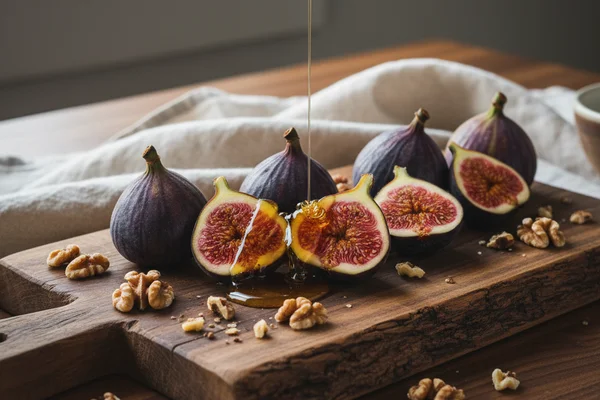
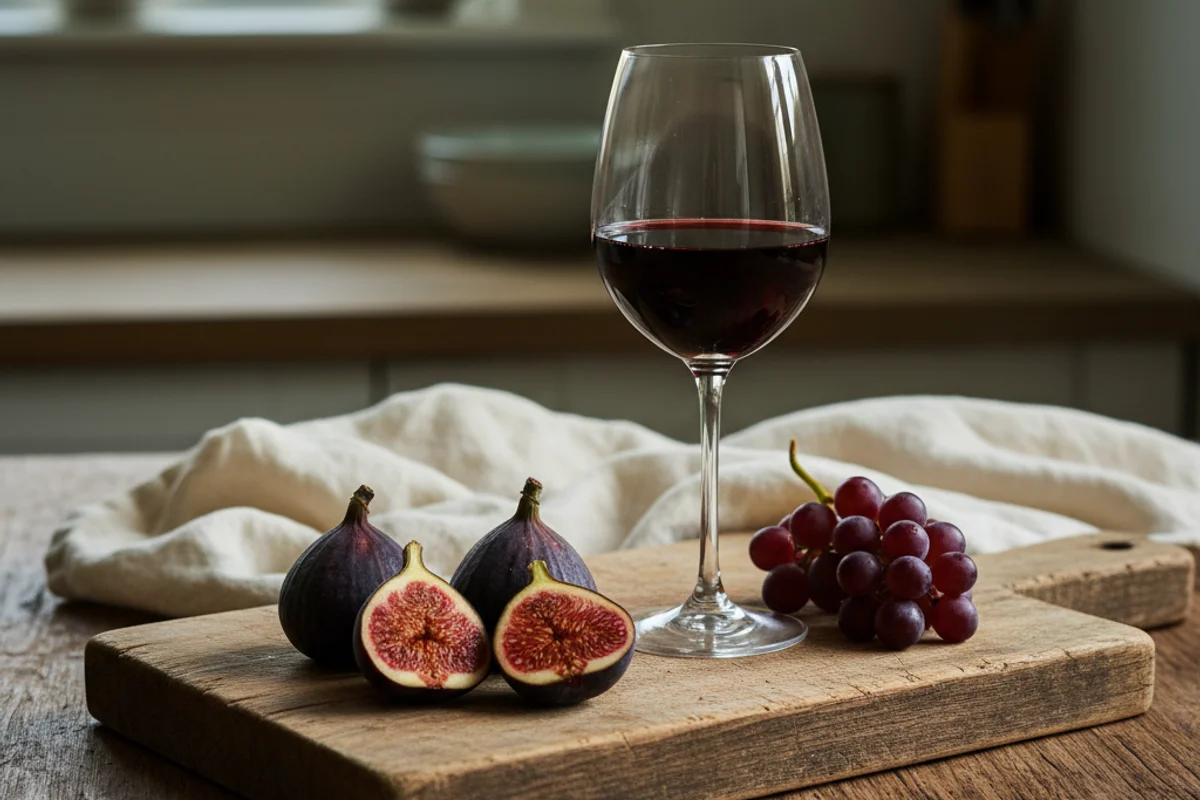
Fresh figs are one of those ingredients that seem almost too good to be true — soft, honey-sweet, with a jammy depth that sits somewhere between ripe plum and caramel. Unlike their dried cousins, fresh figs bring delicate floral notes and a lighter body to the fermentation vessel. The catch? That window between “perfectly ripe” and “overripe mush” is short. Work fast, and you’ll get a clean, dry wine with real complexity. Age it long enough and something almost sherry-like starts to develop. This is a one-gallon recipe, but it scales up cleanly if your fig tree is being generous.
The beginner trap: Squeezing the pulp bag too hard to get every last drop of juice will force fine particles into your wine, causing stubborn cloudiness that takes months to clear — press gently and let gravity do most of the work.
Ingredients
- 4 lbs fresh figs (fresh or frozen; Black Mission or Brown Turkey work well)
- 7 pints (3.5 quarts) water
- 1¾ lbs granulated white sugar
- 3½ tsp acid blend (find this at homebrew shops; or substitute 2 tsp citric acid from the grocery store)
- 1 Campden tablet, crushed (sodium or potassium metabisulfite)
- 1 tsp yeast nutrient
- 1 packet Montrachet wine yeast (or any dry wine yeast such as Lalvin EC-1118)
Method
- Chop the figs coarsely or pulse them in a food processor. Load them into a large fine-mesh nylon straining bag, tie the top closed, and place the bag in your primary fermentation bucket.
- Add the water, sugar, acid blend, Campden tablet, and yeast nutrient to the bucket. Stir well until the sugar fully dissolves.
- Check the specific gravity (SG) with a hydrometer — you’re aiming for 1.085 to 1.100. If it reads low, stir in up to ½ cup more sugar and recheck before moving on.
- Cover the bucket with a clean cloth and let it sit for 24 hours so the Campden tablet can do its sanitizing work.
- After 24 hours, sprinkle the yeast over the surface and stir it in. Stir the must daily, pressing the pulp bag lightly each time to help pull juice from the fruit.
- When the SG drops to around 1.040 — usually 3 to 5 days — lift the bag and hang it over the bucket to drain. Press lightly; do not wring or force it.
- Siphon the liquid off any sediment into a clean 1-gallon secondary vessel (a glass jug works fine). Add the drained liquid from the bag, discard the pulp, and fit an airlock.
- Let fermentation finish until the SG reaches 1.000 or lower, which usually takes about 3 weeks.
- Rack into a clean 1-gallon jug, top up to the shoulder with water or a little extra wine, and reattach the airlock.
- Rack again after 2 months, then once more when the wine runs clear. Bottle at that point.
- For a sweeter wine: After the final racking and before bottling, stir in ½ tsp potassium sorbate (wine stabilizer) per gallon, then dissolve ¼ lb sugar per gallon in a small amount of warm wine and blend it back in. Bottle.
Why this works
Figs are naturally low in acid, which is why acid blend is non-negotiable here — without it, the must sits at a pH that’s too friendly to spoilage bacteria and too hostile to a clean ferment. The Campden tablet at the start knocks out wild yeast and bacteria during that 24-hour rest, giving your chosen yeast a clean runway. Montrachet (and similar dry wine yeasts) tolerates moderate alcohol levels and ferments reliably in the mid-60s°F to low 70s°F range. The slow, gentle pressing at the pulp-bag stage matters because fig pulp is loaded with fine soluble solids — force them through and your wine turns into liquid fog that can take half a year to drop clear.
Notes
Frozen figs work well and are often easier to find outside of the short fresh-fig season (late summer to early fall); thaw them completely and drain off excess liquid before loading them into the bag. If you can’t find acid blend at a homebrew shop, look for citric acid in the canning aisle at the grocery store as a reasonable stand-in. This wine is drinkable after 3 months in the bottle, but patience pays — a year of aging softens the edges considerably.