Hackberries
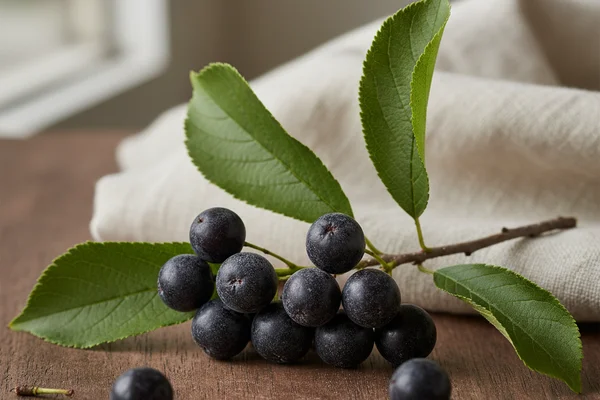
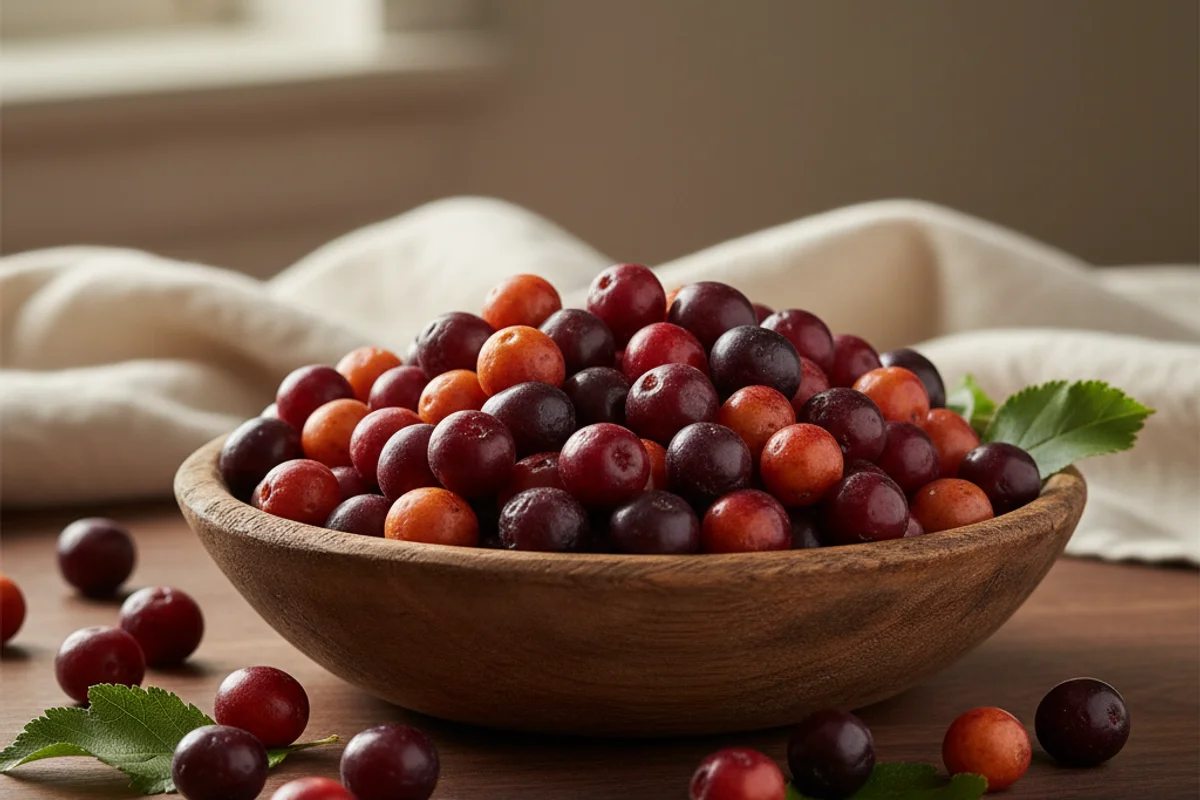
Hackberries are the underdog of the foraging world — small, date-like fruit hiding on trees most people walk past every day. When the season is good and the berries are plump, they carry a surprising sweetness with earthy, almost caramel-like depth. That flavor translates beautifully into wine, especially with a touch of white grape concentrate lending body and a clean fermentation backbone. Think of it as a country wine with genuine character — something you won’t find at any store.
The beginner trap: Using dry, hard berries from a drought year will give you thin, flat wine no amount of sugar can fix — taste the fruit first, and only proceed if it’s genuinely sweet and juicy.
Ingredients
- 2 lbs ripe hackberries, fresh or frozen
- 11 oz frozen white grape juice concentrate (Welch’s 100% White Grape works well)
- 1¾ lbs granulated white sugar, divided
- 6¼ pts (about 3 quarts + 1 cup) water
- 1½ tsp acid blend (find at homebrew shops, or use 1 tsp lemon juice as a rough stand-in)
- ½ tsp pectic enzyme
- ¼ tsp grape tannin (or 1 unsweetened black tea bag, steeped and cooled)
- 1 Campden tablet, crushed
- 1 tsp yeast nutrient
- 1 packet Champagne yeast (Lalvin EC-1118 is widely available)
Method
- Bring the water to a boil and dissolve half the sugar in it completely, then set aside to cool.
- Wash the berries and discard any that are shriveled, moldy, or underripe.
- Place the berries in your sanitized primary fermenter and crush them thoroughly using a sanitized potato masher or the flat end of a heavy wooden spoon.
- Pour the hot sugar water over the crushed berries and stir well; keep stirring occasionally as the liquid cools to around 70°F.
- Once cooled, stir in the grape juice concentrate, acid blend, grape tannin, crushed Campden tablet, and yeast nutrient; cover the fermenter loosely.
- Wait 6–8 hours, then stir in the pectic enzyme; wait another 6–8 hours, then sprinkle in the yeast.
- Cover with a clean cloth or loose plastic and stir once daily until the vigorous bubbling slows down, about 6–9 days.
- Strain out the solids, dissolve the remaining sugar into the liquid, stir well, and cover again for 3 more days.
- Siphon into your sanitized glass secondary (1-gallon jug works well) but do not top it up yet — leave the headspace; fit with an airlock.
- Once fermentation stops and the wine goes still, top up with a small amount of similar wine or water to minimize headspace.
- Rack into a clean vessel every 30 days until the wine runs clear, at least twice total; after the final rack, let it rest two more months.
- Rack one final time, stabilize with a fresh crushed Campden tablet and ½ tsp potassium sorbate, sweeten lightly to taste if desired, then bottle.
Why this works
Hackberries are low in the kind of acid structure and tannins that grapes bring naturally, which is why this recipe calls in reinforcements. The frozen white grape concentrate fills in body and fermentable sugars without overpowering the hackberry flavor. Acid blend (tartaric and malic acids) brings the must into the right pH range — roughly 3.2 to 3.5 — where yeast thrive and harmful bacteria don’t. Pectic enzyme breaks down the fruit’s pectin, the same stuff that makes jam gel, so your finished wine stays clear instead of looking like cloudy juice. Champagne yeast is chosen here for its high alcohol tolerance and clean finish, letting the fruit do the talking.
Notes
Frozen hackberries work just as well as fresh — freeze them first if you’re harvesting in batches, since freezing also helps break down the cell walls for better juice extraction. If you can’t find acid blend at a local homebrew store, order it online; there’s no true grocery-store swap that hits all three acids at once. Serve this wine lightly chilled and just barely off-dry for the best experience.