Mayhaws
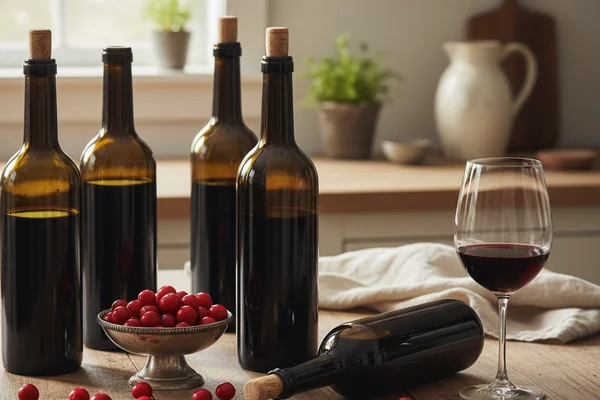
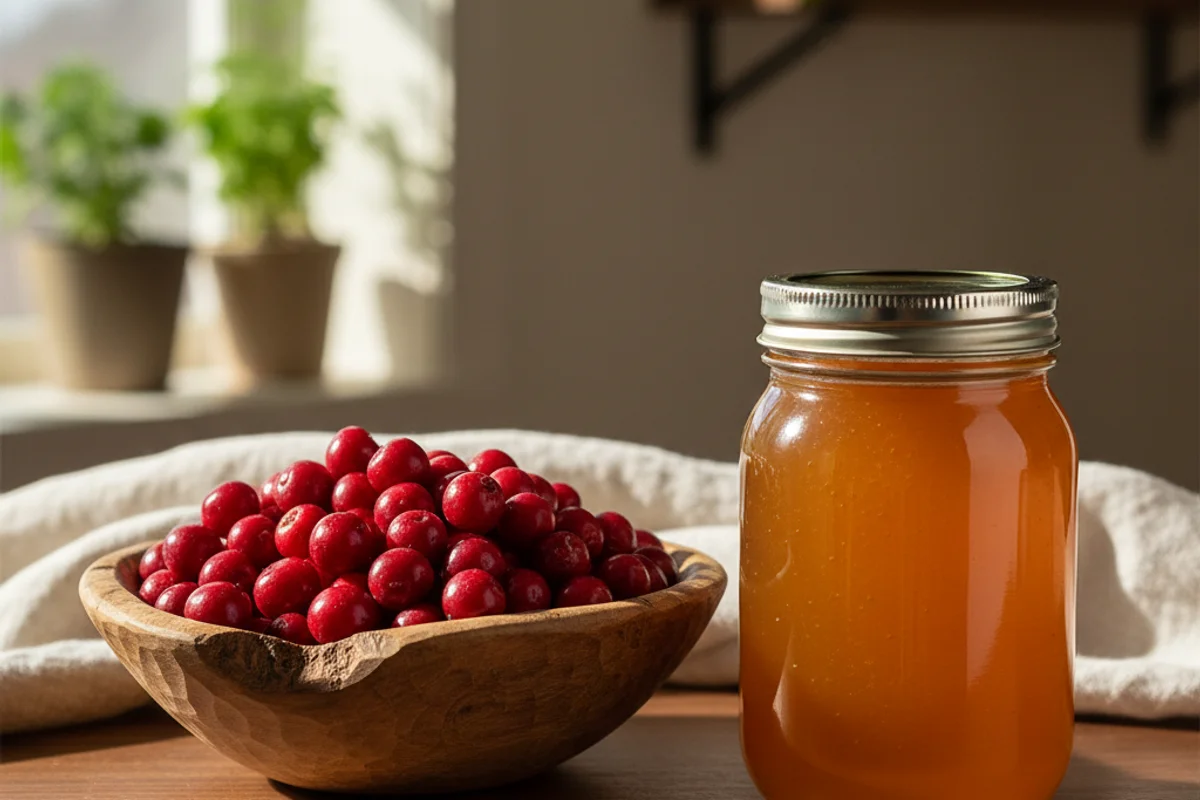
Think of a mayhaw as what you’d get if a crab apple and a rose had a small, tart, crimson baby — then left it to ripen in a southern swamp in May. Native to the Gulf Coast states, these little hawthorn fruits pack serious flavor: bright, tangy, and floral, with enough acidity to keep a finished wine lively. The result is a gorgeous, jewel-toned wine that rewards patience. And patience, here, is not optional.
The beginner trap: Mayhaw wine needs well over a year of aging to soften its sharp edges — bottling early and drinking it young is the fastest way to be disappointed by what could have been a great wine.
Ingredients
- 3 quarts ripe mayhaws, fresh or frozen (see Notes)
- 2½ lbs granulated white sugar
- 6½ pints water (about 3¼ quarts)
- 1 tsp pectic enzyme
- ¼ tsp grape tannin (or 1 cup strong-brewed black tea, cooled)
- 1½ tsp yeast nutrient
- 1 packet wine yeast (Lalvin 71B or EC-1118 work well)
Method
- Remove stems from the fruit, rinse well, and discard any soft or damaged ones. Place fruit in your primary fermenter and crush it thoroughly with a clean potato masher or a piece of hardwood.
- Pour the sugar over the crushed fruit. Bring the water to a full boil, then pour it over the sugar and fruit. Stir briefly to help the sugar dissolve.
- Cover the fermenter and let the must cool to room temperature (around 70°F). Add the pectic enzyme, grape tannin, and yeast nutrient. Stir, cover again, and wait 12 hours.
- Add the yeast and stir well. Stir twice daily for 8 days, pushing the fruit cap back down each time.
- Strain the must into a sanitized 1-gallon secondary fermenter, pressing the pulp gently to extract juice without forcing bitter solids through. Attach an airlock and move to a dark spot.
- After 6 weeks, rack the wine into a freshly sanitized secondary. Top up to minimize headspace, refit the airlock, and return to the dark.
- Rack again after 4 months. Top up and refit the airlock, then leave it alone for another 8 months — checking every few months to make sure the airlock water hasn’t evaporated.
- If the wine hasn’t cleared on its own, fine it with a gelatin solution, wait two weeks, then rack once more. Once it runs clear, bottle it.
- Age the bottled wine at least 6 more months before opening. A full year is better. The flavor will tell you when it’s ready.
Why this works
Mayhaws are high in pectin — the same stuff that makes jelly gel — which is great for jam but terrible for wine clarity. Without pectic enzyme, that pectin creates a stubborn, protein-like haze that no amount of racking will fix. The enzyme breaks pectin chains into smaller sugars, solving two problems at once: it clears the wine and frees up trapped flavor compounds. The long aging timeline isn’t just tradition; mayhaw wine starts life tasting sharp and raw because of its natural acidity and tannin load. Time allows acids to mellow, tannins to polymerize and drop out, and esters to develop — those are the fruity, floral aroma molecules that make the finished wine worth the wait.
Notes
Fresh mayhaws can be hard to find outside the Gulf South — frozen mayhaws from specialty Southern food suppliers are a perfectly good substitute and often easier to work with since freezing helps break down cell walls before you even start. If grape tannin isn’t available at your local homebrew shop, substitute 1 cup of cooled, strong-brewed black tea. Sweeter fruit will produce a wine that needs less aging; if your mayhaws are quite tart, lean toward the longer end of the aging range.