Mesquite Beans
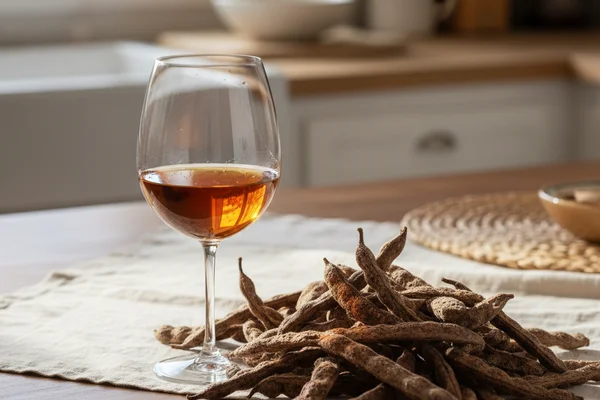
Mesquite bean wine is one of those drinks that makes you rethink what “wine” even means. The pods pull sweet, earthy, almost caramel-like sugars from the desert sun, and when you cook them down, the resulting liquid smells faintly of molasses and dry grass. It’s not grape wine. It’s not trying to be. It’s something older and stranger — a fermented beverage with deep roots in the arid Southwest, and it rewards patience with a smooth, amber pour unlike anything you’ll find on a store shelf.
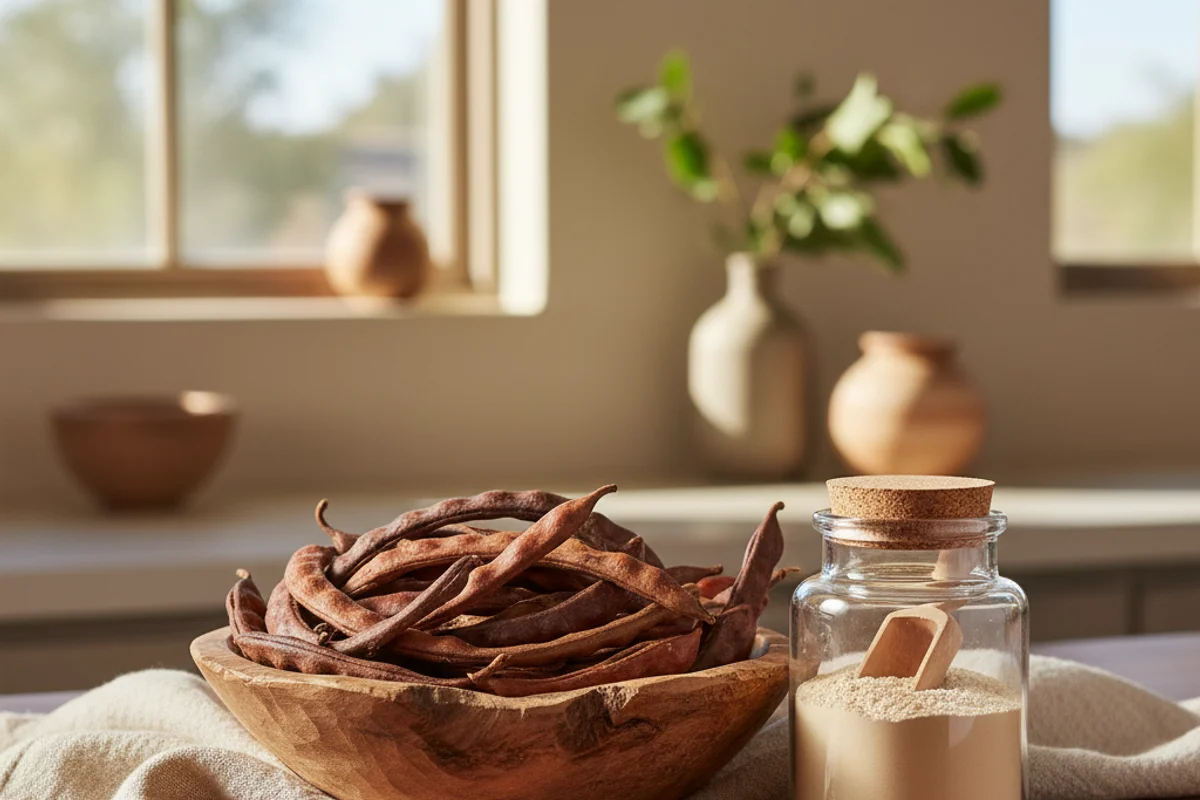
The beginner trap: Picking pods that have already fallen and dried out — they’re often full of boring insects and will introduce off-flavors that no amount of aging can fix.
Ingredients
- 3 lbs mesquite bean pods, broken into 1-inch pieces
- 1 cup golden raisins, chopped (fresh or from any grocery store)
- 2½ lbs granulated white sugar, divided
- Water to reach 1 gallon total volume
- 1½ tsp acid blend (or 1 tsp lemon juice as a rough substitute)
- ½ tsp pectic enzyme
- 1 tsp yeast nutrient
- 1 packet wine yeast (Lalvin EC-1118 or similar)
Method
- Wash the bean pods thoroughly, then break them into roughly 1-inch pieces.
- Place the pieces in a large pot, cover with about 7 pints of water, and simmer covered on low heat for one hour.
- Strain out and discard all the bean solids, then pour the liquid into your primary fermenter.
- Stir in half the sugar (about 1¼ lbs) until fully dissolved, then add the chopped raisins.
- Cover the fermenter with a clean cloth and let it cool to room temperature.
- Once cool, stir in the acid blend, yeast nutrient, and pectic enzyme; re-cover and let sit for 12 hours.
- Add your activated wine yeast, re-cover, and stir the must once a day for 7 days.
- Strain out and discard the raisins, then stir in the remaining sugar until dissolved.
- Transfer to a clean secondary fermenter, top up to one gallon, and fit an airlock.
- Rack into a fresh secondary every 30 days for 4 months, topping up and refitting the airlock each time.
- Stabilize, bottle, and age for at least one year before drinking.
Why this works
Mesquite pods are surprisingly sugar-rich — that’s not an accident of nature. The plant loads its pods with simple sugars to attract animals that will scatter the seeds. Those same sugars dissolve easily into hot water during the simmer, giving the yeast plenty to work with. The golden raisins aren’t just filler — they contribute body, a bit of tannin, and extra fermentable sugars that help build a rounder mouthfeel. Pectic enzyme breaks down plant-based pectin in the must, which prevents a cloudy haze from locking into your finished wine. The long racking schedule — every 30 days for four months — keeps the wine off dead yeast cells (lees) that would otherwise add harsh, bready off-flavors before the wine has a chance to mellow.
Notes
Mesquite pods are most common in the American Southwest; if you can’t forage them locally, check Mexican grocery stores or online specialty suppliers during late summer. If you can’t find acid blend, a half-teaspoon of citric acid or a squeeze of fresh lemon juice per gallon is a workable substitute. This wine genuinely improves with age — resist the urge to open it before the one-year mark.