MIXED BERRY WINE
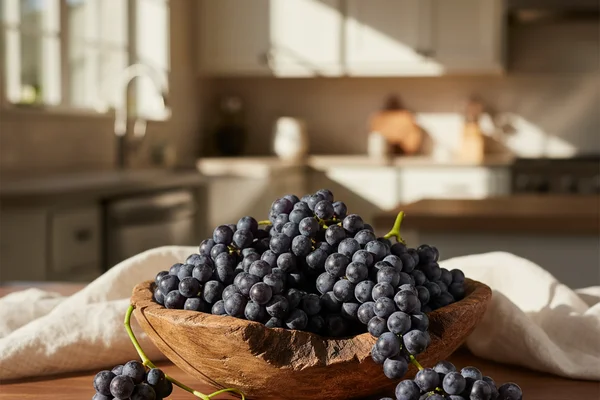
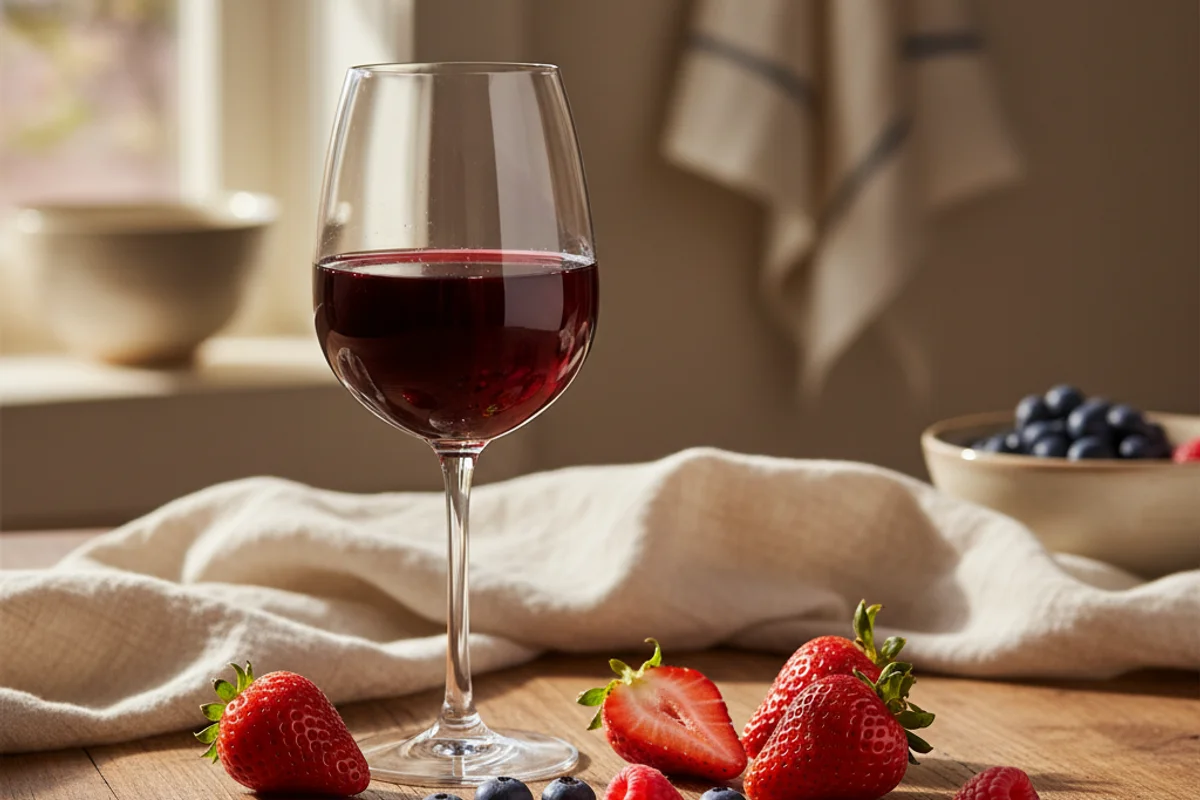
Think of this as the greatest hits album of the berry world — blackberries, blueberries, raspberries, strawberries, boysenberries, elderberries, and muscadine grapes all crammed into one fermenter, with apple juice tying them together like a rhythm section. The result is a deep, layered wine that hits every note: bright fruit up front, earthy depth in the middle, and a long finish that keeps you guessing. This is a recipe built for flexibility. Use what you have, freeze what’s in season, and make something genuinely interesting.
The beginner trap: Skipping pectic enzyme — or adding it at the wrong time — leaves you with a cloudy wine that refuses to clear, no matter how long you wait.
Ingredients
- 1 qt. blackberries, fresh or frozen
- 1 qt. blueberries, fresh or frozen
- 1 qt. red raspberries, fresh or frozen
- 1 qt. boysenberries, fresh or frozen
- 1 qt. strawberries, fresh or frozen
- 1 qt. elderberries, fresh or frozen
- 1 qt. muscadine or red table grapes, fresh or frozen
- 1 lb. granulated sugar
- ½ gallon apple juice (no preservatives)
- 1 tsp. citric acid (or the juice of 2 lemons)
- 1½ tsp. pectic enzyme
- 1 tsp. yeast nutrient
- 1 packet general-purpose wine yeast
Method
- Place all fruit into one or two nylon mesh straining bags, tie them shut, and set them in your primary fermenter. Wear rubber gloves — berry juice stains everything it touches.
- Crush the bagged fruit thoroughly by squeezing and pressing with your hands until most berries are broken open.
- Add the apple juice, sugar, citric acid, pectic enzyme, and yeast nutrient. Stir well until the sugar is fully dissolved.
- Cover the fermenter and let it rest for 12 hours at room temperature.
- Activate your yeast according to the packet instructions, then add it to the must. Cover the fermenter with a clean cloth secured at the rim — not an airlock yet.
- Keep the fermenter in a warm spot (65–75°F) and ferment for 7–10 days, pressing the fruit bags down and stirring once daily.
- Check the specific gravity when bubbling slows significantly. When it reads 1.010 or below, remove and gently squeeze out the fruit bags, then rack the wine into a clean secondary fermenter and fit an airlock.
- After 60 days, check clarity. If the wine is still hazy, rack it into a clean vessel and stir in an additional 1 tsp. of pectic enzyme. If it’s clear, rack it as-is.
- Reattach the airlock and wait another 30 days, or until the wine is fully clear.
- Rack the wine, then dissolve 1 Campden tablet and ½ tsp. potassium sorbate in a small amount of wine and stir the solution in gently.
- Wait 10 days, then sweeten to taste if desired. Let the wine rest another 30 days.
- Rack into bottles and age for at least 1 year before drinking.
Why this works
Berries are loaded with pectin — the same stuff that makes jam thick. Heat and crushing release it into your must, and pectin clouds are notoriously stubborn. Pectic enzyme (pectinase) breaks those long carbohydrate chains apart, letting the haze particles clump together and drop out of suspension. Adding it before fermentation gives it a head start, but alcohol produced during fermentation can slow it down. That’s why a second dose after racking sometimes finishes the job. The apple juice adds fermentable sugars and mild acidity without competing with the berry flavors, while potassium sorbate at the end stops any remaining yeast from re-fermenting the wine after you sweeten it.
Notes
Frozen fruit actually works better here than fresh — freezing ruptures cell walls, so you get more juice and flavor with less effort. If you can’t find boysenberries or elderberries at your grocery store, substitute any combination of blackberries, marionberries, or even frozen açaí pulp. The total fruit volume matters more than the exact mix, so feel free to use whatever six or seven berries you can source.