Native North American Grapes — Vitis Rotundifolia
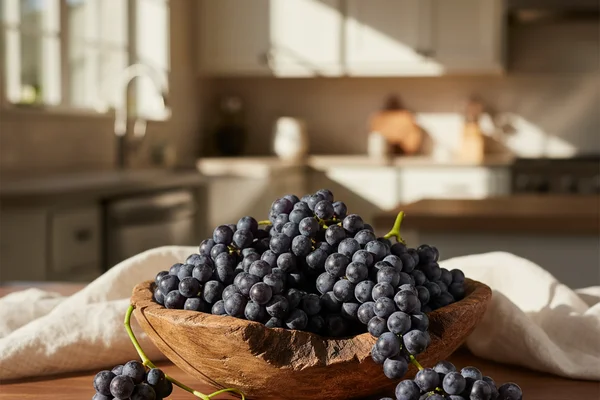
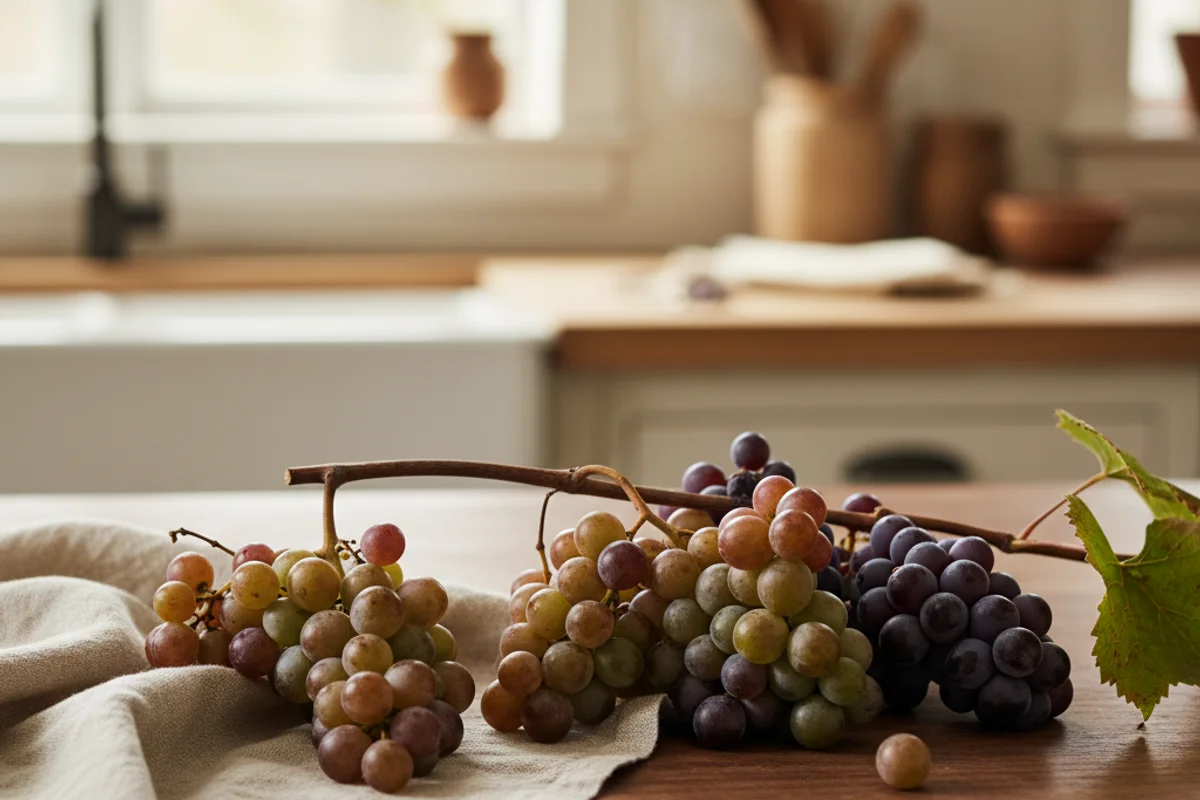
Picture a vine so old and massive that the tree it once climbed has long since crumbled to dust beneath it. That’s the world of Vitis rotundifolia — the muscadine. Native to the American South, these grapes thrive where summers are brutal and humidity is high. They come in two basic colors: bronze (think Scuppernong or Carlos) and black (Hunt, Cowart, Jumbo). The flavor is bold, musky, and unmistakably Southern — nothing like a supermarket grape. If you’ve never tasted one, imagine a Concord grape that grew up eating barbecue and listening to delta blues.
The beginner trap: Muscadine skins are thick and tough, so skipping a proper maceration or crush means you’ll leave most of the flavor, color, and body locked in the skins and never in your wine.
Ingredients
- 6 lbs muscadine grapes, fresh or frozen (bronze varieties like Scuppernong or Carlos for a golden wine; black varieties like Hunt or Cowart for a deeper red)
- 1¾ lbs granulated white sugar (adjust to target SG 1.085–1.090)
- 1 tsp acid blend (or 2 tsp fresh lemon juice as a substitute)
- ½ tsp pectic enzyme
- ¼ tsp potassium metabisulfite (or 1 Campden tablet, crushed)
- ½ tsp yeast nutrient
- 1 packet wine yeast (Lalvin EC-1118 or Red Star Côte des Blancs)
- Water to make 1 gallon total volume
Method
- Wash the grapes thoroughly, then crush them by hand or with a potato masher in a sanitized fermentation bucket — break every berry open to release the juice and pulp.
- Stir in the potassium metabisulfite, cover loosely, and wait 24 hours to knock out wild yeast and bacteria.
- Add the pectic enzyme, stir well, and let the must sit another 12 hours — this step breaks down the tough muscadine pulp and dramatically improves juice yield.
- Measure your starting gravity with a hydrometer; dissolve sugar in a small amount of warm water and stir it into the must until you hit your target SG.
- Add the acid blend and yeast nutrient, stir everything together, then sprinkle the yeast over the surface and let it hydrate for 15 minutes before stirring it in.
- Ferment at room temperature (65–75°F), stirring the cap of skins down into the juice twice daily for 5–7 days.
- When SG drops to around 1.020, strain out the solids and transfer the liquid to a sanitized 1-gallon glass jug fitted with an airlock.
- Let fermentation finish completely (SG 0.998 or below), then rack off the sediment into a clean jug.
- Rack again every 30 days until the wine runs clear, then bottle and age at least 6 months — muscadine genuinely improves with time.
Why this works
Muscadine grapes are high in natural tannins and thick-skinned, which means two things: you need that extended skin contact to pull out color and flavor compounds, and you need pectic enzyme to break down the cell walls efficiently. Without pectic enzyme, pectin from those tough skins clouds your wine permanently — no amount of fining or time will fully fix it. The sulfite addition at the start gives your chosen wine yeast a clean runway by suppressing competing wild microbes. Muscadines also tend to be lower in natural acidity than European wine grapes, so the acid blend keeps fermentation healthy and the finished wine from tasting flat.
Notes
Frozen muscadines work extremely well here — freezing ruptures the cell walls and actually improves juice and flavor extraction. If you can’t find muscadines locally, check ethnic grocery stores or order online from Southern growers in late summer through fall. For a sweeter style, back-sweeten after fermentation is fully stable by adding dissolved sugar or grape juice concentrate a little at a time until you reach your preferred taste.