ORANGE BLOSSOM WINE
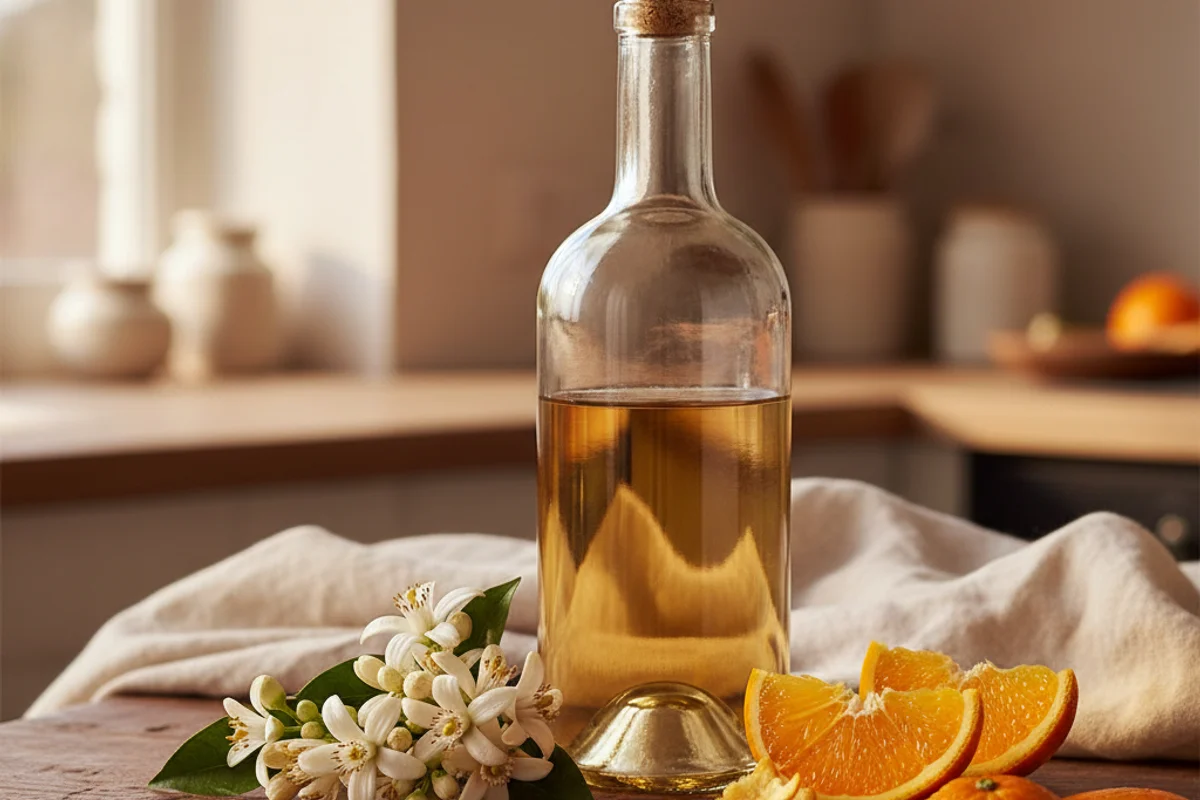
Picture the scent that hits you when you walk past an orange grove in full bloom — that heady, almost perfume-like sweetness that stops you mid-step. Now imagine capturing that exact moment in a bottle of wine. Orange blossom wine is exactly that: pale, delicate, and floral, with a fragrance that does most of the talking before you even take a sip. It finishes dry or just off-dry, making it a natural fit as a chilled aperitif or a surprisingly elegant pairing with light pastries and soft cheeses.
The beginner trap: Squeezing the blossom bag when you remove it — that extra pressure forces bitter, soapy essential oils into your must and can wreck the wine’s delicate flavor profile.
Ingredients
- ½ oz dried orange blossoms (find these at specialty spice shops, Middle Eastern grocery stores, or online)
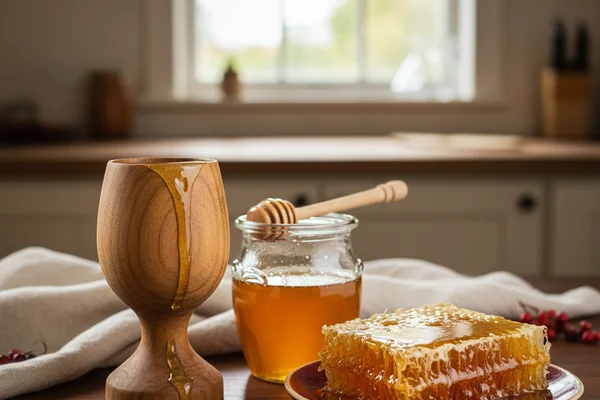
- 2 lbs granulated white sugar or 3 lbs orange blossom honey (honey version becomes a mead — expect longer aging)
- 1 tbsp acid blend (available at homebrew shops; or substitute 1½ tsp citric acid)
- ¼ tsp grape tannin (or substitute 1 cup strong-brewed, cooled black tea)
- 1 tsp yeast nutrient
- 1 Campden tablet, crushed and dissolved in a little water
- Water to make up 1 gallon total
- 1 packet Sauternes wine yeast or any general-purpose white wine yeast
Method
- Place the dried orange blossoms in a fine-mesh bag (a jelly bag or a paint-straining bag from the hardware store works fine) and set it in your primary fermenter.
- Bring most of your water to a boil, dissolve the sugar completely, then pour the hot syrup over the bagged blossoms in the primary.
- Let the must cool to room temperature, then stir in the acid blend, grape tannin, yeast nutrient, and dissolved Campden tablet. Cover the primary and leave it alone for 12 hours.
- After 6 of those 12 hours have passed, hydrate your yeast: mix the yeast packet into ½ cup of lukewarm water with a pinch of sugar and a pinch of yeast nutrient, cover loosely with a paper towel, and let it sit for the remaining 6 hours.
- After the full 12-hour wait, pitch the yeast starter into the primary. Stir the must twice daily and keep it covered between stirs.
- After 4 days, lift the blossom bag out of the must, let it drain on its own, and discard it — do not squeeze.
- Once fermentation visibly slows (bubbles become infrequent), transfer the wine to a clean 1-gallon secondary fermenter and seal with an airlock.
- After 30 days, rack the wine into a fresh, sanitized secondary and leave it until it clears completely.
- Rack again, top up the vessel to minimize headspace, and repeat every 60 days for at least 4 months total.
- When the wine is stable and clear, optionally stabilize with potassium sorbate and potassium metabisulfite, then sweeten gently to a final gravity of about 1.004 if you prefer off-dry. Wait 30 more days, then bottle.
- Lay the bottles down for 2–3 months before opening. Serve well chilled.
Why this works
Orange blossoms contain Neroli oil — the same essential oil used in perfume and Eau de Cologne. That oil is fully soluble in alcohol, which is great for flavor but tricky in large amounts. Too much extraction turns the wine soapy and harsh. Keeping the blossoms in a bag (rather than loose in the must) and refusing to squeeze the bag at removal limits how much oil ends up in your wine. The 4-day contact window is long enough to pull fragrance but short enough to avoid the off-flavors that come from over-extraction. The acid blend sharpens the floral notes and gives the wine backbone, since blossoms alone bring essentially zero natural acidity.
Notes
If you can source fresh orange blossoms, use roughly 2 oz by weight in place of the ½ oz dried — fresh flowers carry more water and less concentrated flavor. If making the honey version, budget a full year before bottling; mead moves on its own schedule and rushing it shows. Dried orange blossoms are a reliable mail-order ingredient if your local stores don’t carry them — search for “orange blossom tea” as a fallback, though flavor intensity will vary.