RED CLOVER WINE (1)
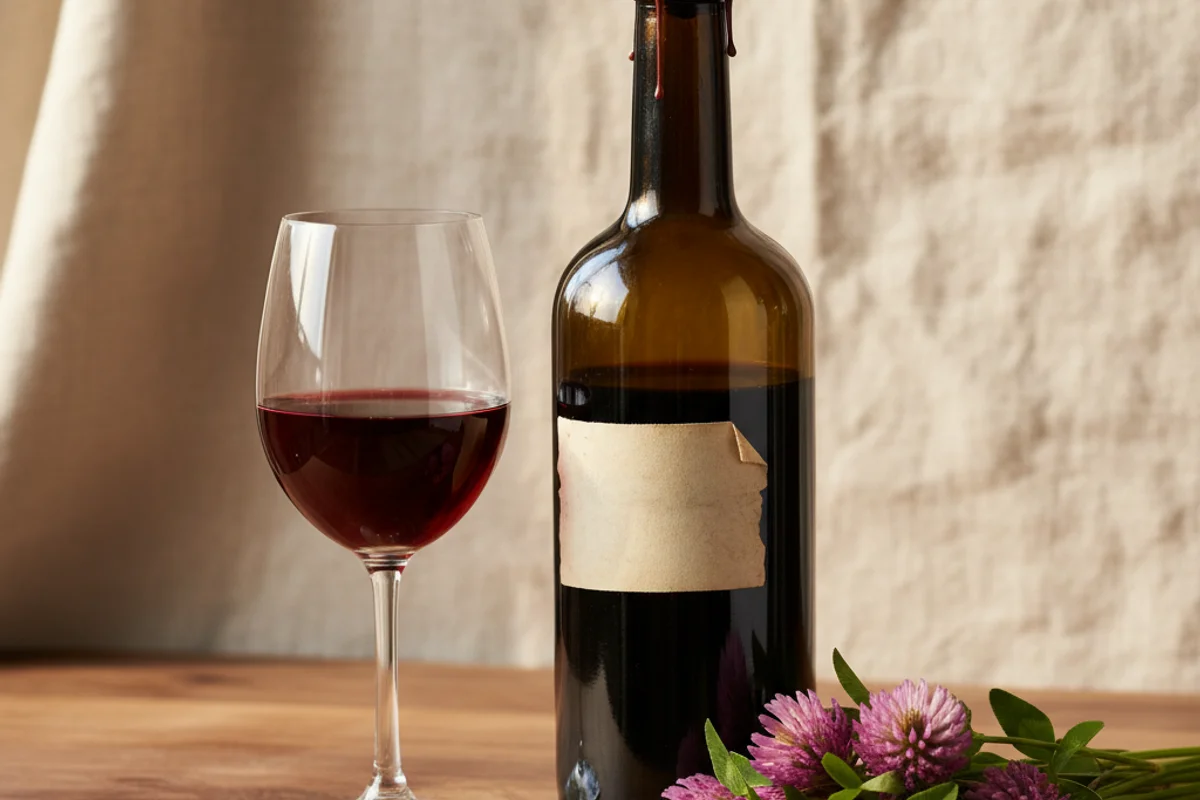
Red clover blossoms are the quiet overachievers of the meadow — sweet, faintly grassy, with a subtle honey-like quality that translates surprisingly well into the glass. This is a country wine in the truest sense: patient, unfussy, and rewarding. The white grape juice acts as a structural backbone, lending body and a touch of neutral fruit character that lets the floral notes do the talking. Give it time and it will reward you with something pale, delicate, and genuinely interesting to serve to people who think homemade wine means something cloudy in a mason jar.
The beginner trap: Rushing the bottle — this wine needs a full six months after bottling to shed its rawness and actually taste like something worth drinking.
Ingredients
- 1 quart fresh red clover flowers (blossoms only, stems removed)
- 1 pint white grape juice (from frozen concentrate, prepared per label)
- 2¼ lb granulated white sugar
- 2 tsp acid blend (find it at homebrew shops, or use 1½ tsp lemon juice powder as a substitute)
- 1 tsp yeast nutrient
- ¼ tsp tannin powder (or 1 cup strong-brewed plain black tea, cooled)
- Water to reach 1 gallon total
- 1 packet wine yeast (Lalvin 71B or EC-1118 work well)
Method
- Bring ½ gallon of water to a boil and dissolve the sugar completely, stirring until the liquid is clear.
- Remove all stems from the clover blossoms, rinse them well, and place them in your primary fermenter.
- Pour the hot sugar water over the flowers, then add the white grape juice, acid blend, tannin, and yeast nutrient.
- Add enough cool water to bring the total liquid volume to 1 gallon, then let the mixture cool to lukewarm (around 70–75°F).
- Sprinkle in the yeast, stir gently, and cover the fermenter loosely with a cloth or loose lid.
- Push the floating flower cap down 2–3 times each day for 7 days.
- Strain out the solids and transfer the liquid into a 1-gallon glass jug (secondary fermenter); fit with an airlock.
- After 60 days, rack the wine into a clean jug, top up to minimize headspace, and refit the airlock; set aside for 4 more months.
- Once the wine is clear, stabilize with potassium sorbate and potassium metabisulfite, wait 10 days, then rack again.
- Sweeten to taste, bottle, and wait at least 6 months before opening.
Why this works
Red clover blossoms contain very little natural sugar, acid, or tannin on their own — they are essentially flavor carriers in a water solution. That’s why this recipe builds structure from the outside in. The sugar drives fermentation and sets the final alcohol level. The acid blend keeps the pH in the right range for yeast health and microbial stability. The tannin adds just enough grip to prevent the wine from tasting flat and one-dimensional. White grape juice fills the body gap that water alone can’t, providing natural grape sugars and trace compounds that help the fermentation finish cleanly. The long aging time lets harsh alcohols mellow and floral esters develop into something refined.
Notes
Fresh clover is highly seasonal — if you can’t use blossoms the same day you pick them, freeze them in a zip-lock bag and use them straight from frozen (no need to thaw before pouring hot water over them). Pick blossoms early in the morning when their fragrance is strongest, and avoid any that have been sprayed with pesticides. If acid blend is unavailable locally, most homebrew supply websites stock it for a few dollars.