RED CLOVER WINES
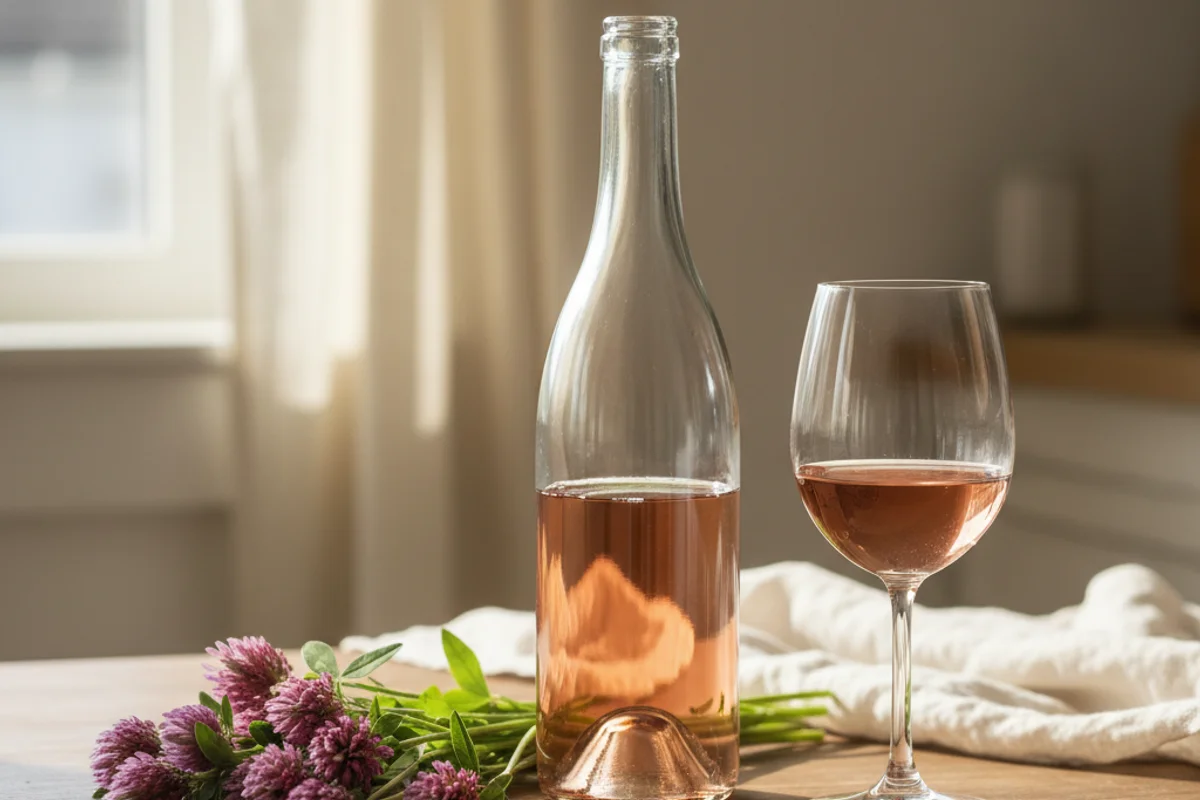
Red clover is everywhere in summer meadows, and most people walk right past it. That’s a mistake. Those magenta-purple pompom blooms carry a faint sweetness — a little grassy, a little floral, vaguely reminiscent of honey and fresh hay. Fermented into wine, they produce something surprisingly elegant: pale, delicate, and dry with a meadow-fresh character that no commercial winery is bothering to make. These three recipes give you options — a clean grape-based version, a body-building banana version, and a honey-laced mead-adjacent version that leans straight into the clover’s natural sweetness.
The beginner trap: Picking clover when it’s still wet with morning dew introduces excess water and can bring unwanted bacteria into your must — always wait until the flowers are completely dry before harvesting.
Recipe 1 — Red Clover Wine (Grape Base)
Ingredients
- 1 quart fresh red clover flowerheads (stems removed), or 2½ oz dried
- 1 pint white grape juice (from frozen concentrate, reconstituted)
- 2 lb granulated white sugar
- 2 tsp acid blend
- 1 tsp yeast nutrient
- ¼ tsp grape tannin powder (or 1 cooled cup of strong plain black tea)
- Water to make up 1 gallon total
- 1 packet wine yeast (Lalvin 71B or EC-1118 work well)
Method
- Bring ½ gallon of water to a full boil and stir in the sugar until completely dissolved.
- Remove stems, rinse the flowerheads well, and place them in your primary fermenter.
- Pour the hot sugar water over the flowers, then add the grape juice, acid blend, tannin, and yeast nutrient.
- Add enough cool water to bring the total volume to 1 gallon, then stir everything together.
- Wait until the must cools to room temperature (around 70–75°F), then pitch the yeast.
- Cover the fermenter with a cloth and push down the floating flower cap 2–3 times daily.
- After 7 days, strain out all solids and transfer the liquid to a 1-gallon secondary fermenter fitted with an airlock.
- Rack after 60 days, top up to minimize headspace, refit the airlock, and set aside for 4 months.
- Once the wine is clear, stabilize with potassium sorbate and potassium metabisulfite, wait 10 days, then rack again.
- Sweeten to taste if desired, bottle, and wait at least 6 months before opening.
Recipe 2 — Red Clover Wine (Banana Base)
Bananas add body and a silky mouthfeel without contributing much flavor — think of them as a natural thickening agent.
Ingredients
- 1 quart fresh red clover flowerheads (stems removed), or 2½ oz dried
- 1½ lb ripe bananas (the spottier the better)
- 2 lb granulated white sugar
- 2 tsp acid blend
- 1 tsp yeast nutrient
- ¼ tsp grape tannin powder (or 1 cooled cup of strong plain black tea)
- Water to make up 1 gallon total
- 1 packet wine yeast
Method
- Peel and slice the bananas, then bring them to a boil in 1 quart of water.
- Reduce heat and simmer for 10 minutes, then remove from heat.
- Strain the hot banana liquid directly over the flowers and sugar in your primary fermenter — discard the banana solids.
- Stir well to dissolve the sugar, then add the acid blend, tannin, and yeast nutrient.
- Add cool water to bring the total volume to 1 gallon and stir again.
- Once the must cools to 70–75°F, pitch the yeast and cover with a cloth.
- Push down the flower cap 2–3 times daily for 7 days, then strain and transfer to a secondary fermenter with an airlock.
- Rack after 30 days, top up, and rack again after another 60 days.
- Set aside for 3 more months; if the wine is clear, stabilize, wait 10 days, rack, sweeten to taste, and bottle.
- If it’s still cloudy, rack again, refit the airlock, and wait for clarity before stabilizing and bottling. Age at least 6 months before tasting.
Recipe 3 — Red & White Clover Wine (Honey Base)
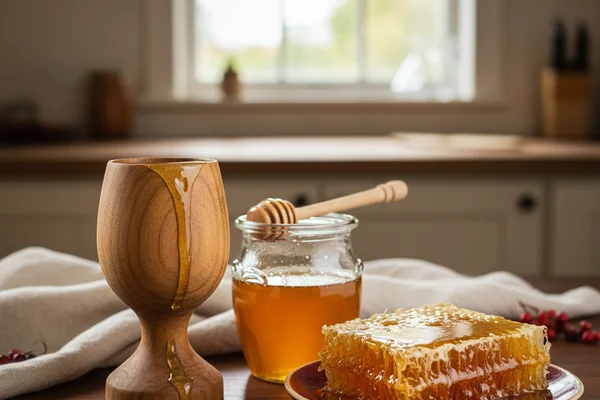
This is the mead-adjacent version — the honey brings floral sweetness that echoes the clover perfectly.
Ingredients
- 1 quart fresh red clover flowerheads (stems removed), or 2½ oz dried
- 1 pint white grape juice (from frozen concentrate, reconstituted)
- 2 lb white clover honey (any mild, light-colored honey works)
- 2 tsp acid blend
- 1 tsp yeast nutrient
- ¼ tsp grape tannin powder (or 1 cooled cup of strong plain black tea)
- Water to make up 1 gallon total
- 1 packet wine yeast (Lalvin 71B is a good fit here)
Method
- Combine the honey and 1 quart of water in a saucepan and bring to a low boil.
- Hold at a gentle boil for 10 minutes, skimming off any foam that rises to the surface.
- Remove from heat, skim once more if needed, then strain the hot honey water over the flowers in your primary fermenter.
- Add cool water to bring the total to 1 gallon, then stir in the grape juice, acid blend, tannin, and yeast nutrient.
- Cover with a cloth and let cool to 70–75°F, then pitch the yeast.
- Push down the flower cap 2–3 times daily for 10 days, then strain and transfer to a secondary fermenter with an airlock.
- Rack after 30 days, top up, and repeat every 2 months until the wine is fully clear.
- Once clear, rack one final time and set aside for 4 months.
- Stabilize, wait 10 days, rack, sweeten to taste, and bottle. Taste after 6 months.
Why this works
Clover flowers contain very little fermentable sugar on their own, which is why every version here leans on a sugar or honey backbone. The floral aromatics come from volatile organic compounds in the flowers — these are water-soluble, so pouring hot water over fresh blooms acts like a gentle extraction. Banana (Recipe 2) contributes starch that breaks down into dextrins, giving the finished wine a fuller mouthfeel without sweetness. The boiled honey in Recipe 3 serves double duty: heat drives off wild yeasts and some of the more volatile aromatic compounds that can make raw honey taste harsh in a finished wine. Tannin (from powder or tea) isn’t native to clover flowers, so it needs to be added — without it, the wine feels flat and thin on the palate.
Notes
Fresh flowers give the brightest flavor, but dried work reliably — use 2½ oz by weight as a straight swap. If you can’t find acid blend at a homebrew shop, a 1:1:1 mix of citric, tartaric, and malic acid works, or substitute 2 tsp of lemon juice per teaspoon of acid blend as a rough approximation. Frozen white grape juice concentrate (the kind in the grocery store juice aisle) is a perfectly fine substitute for fresh-pressed white grape juice in Recipes 1 and 3.