SCUPPERNONG GRAPE WINE (Folk Recipe)
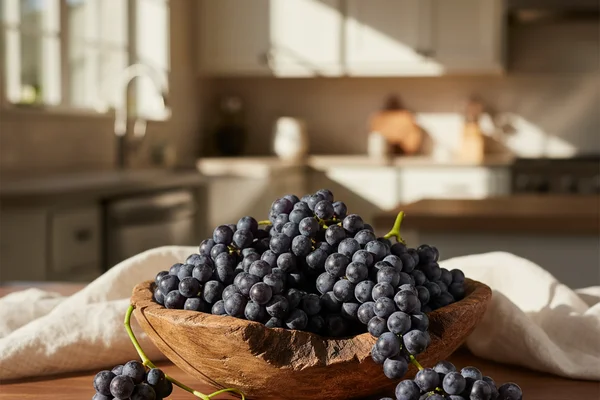
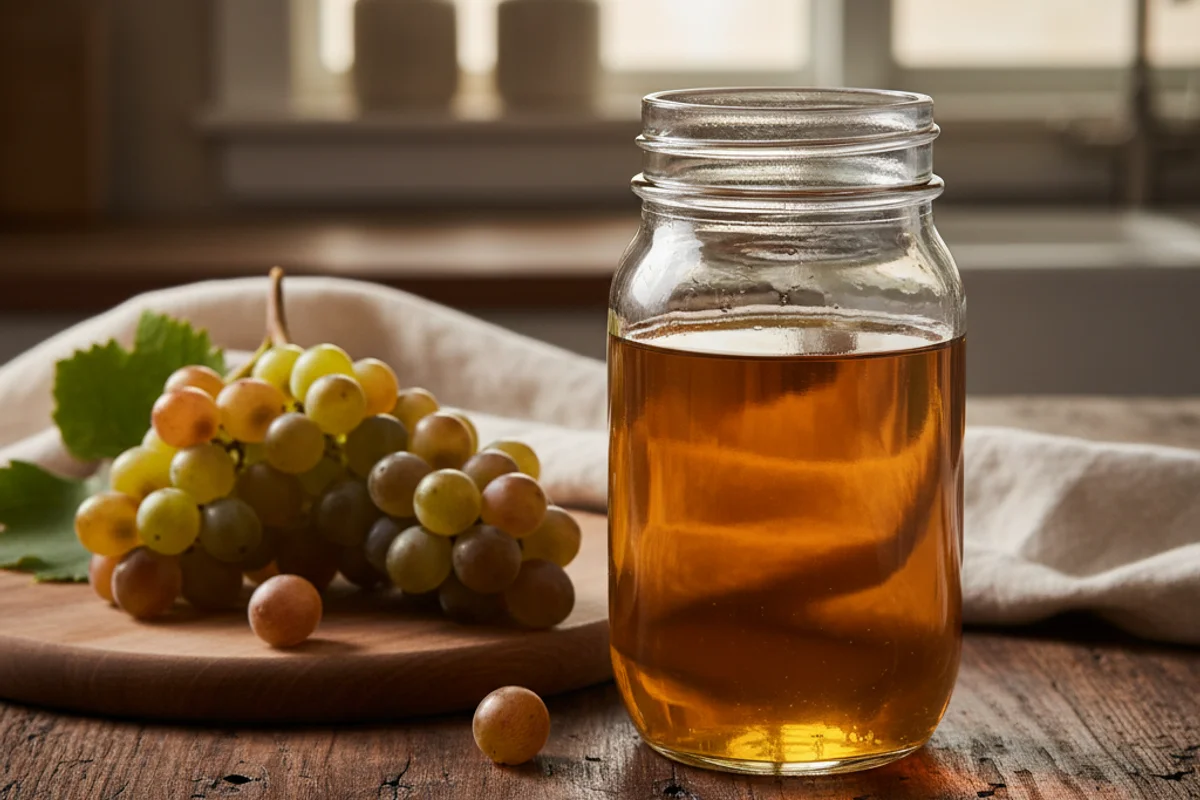
Scuppernong grapes are the bronze-skinned cousins of the muscadine family, and they carry a flavor unlike anything you’d find in a European wine grape — floral, musky, almost tropical, with enough natural sugar to make your hydrometer nervous. This Georgia folk recipe strips winemaking down to its bare bones: no fancy equipment, no lab-cultured yeast, no airlock. Just ripe grapes, cane sugar, clean hands, and patience. The result is a rustic, amber-hued wine that tastes like late summer on a porch somewhere south of Atlanta.
The beginner trap: Wild (ambient) yeast is unpredictable — it can stall mid-ferment or produce off-flavors, so swapping in a reliable wine yeast like EC-1118 or Lalvin 71B will give you far more consistent results.
Ingredients
- 4–6 gallons fresh Scuppernong grapes (fresh or frozen; other muscadine varieties work fine)
- 4–8 lbs granulated white sugar, adjusted to taste and grape sweetness
Method
- Remove grapes from stems, discard any damaged fruit, and rinse thoroughly with clean water.
- Place grapes in a large, sanitized bucket or tub and crush them by hand or with a potato masher — press firmly but do not pulverize the seeds, which will add harsh bitterness to the juice.
- Cover the container loosely with a clean cloth and let the crushed grapes sit for three days at room temperature, stirring the pulp two or three times each day.
- Strain the pulp through a fine-mesh bag, cheesecloth, or a clean pillowcase, pressing firmly from top to bottom to extract 1.5–3 gallons of juice.
- Pour the strained juice into a sanitized fermentation vessel and begin adding sugar a little at a time, stirring well after each addition.
- Use a hydrometer to target a starting specific gravity of 1.090–1.100; if you don’t have one, use the traditional egg test — drop a clean, raw egg into the juice and stop adding sugar once it floats with a quarter-sized area showing above the surface.
- Add your wine yeast according to package directions, then fit the vessel with an airlock (or cover loosely with cloth if following the folk method) and leave 2 inches of headspace at the top.
- Ferment at room temperature for 2–4 weeks, until bubbling slows to a near stop.
- Wait an additional two weeks after fermentation ends, then rack (siphon) the wine off the sediment into a clean, sanitized jug, topping up with a little water or reserved juice to minimize air contact.
- Cork or cap tightly and store in a cool, dark place for at least 4–6 weeks before tasting — late autumn is the traditional target.
Why this works
Scuppernong grapes carry natural wild yeast on their skins, which is why this old recipe needs no added yeast — the microbes are already there. The three-day soak lets those yeasts multiply and begin breaking down sugars before you even press the juice. The egg-float sugar test is a surprisingly clever low-tech stand-in for a hydrometer: a raw egg floats higher in denser liquid, so when it bobs up noticeably, you know the dissolved sugar concentration is high enough to produce a wine with meaningful alcohol. The cloth stopper mimics a modern airlock by letting CO₂ escape while blocking insects and debris — not perfect, but functional for a short ferment.
Notes
If fresh Scuppernongs aren’t available at your local market, frozen muscadine grapes (often found at Southern grocery chains or online) work well — thaw completely before crushing. Any muscadine variety, bronze or black, can be used in place of Scuppernong. For more reliable and cleaner fermentation, add 1 Campden tablet (potassium metabisulfite) per gallon before pitching yeast to knock back wild microbes first.