SCUPPERNONG PYMENT
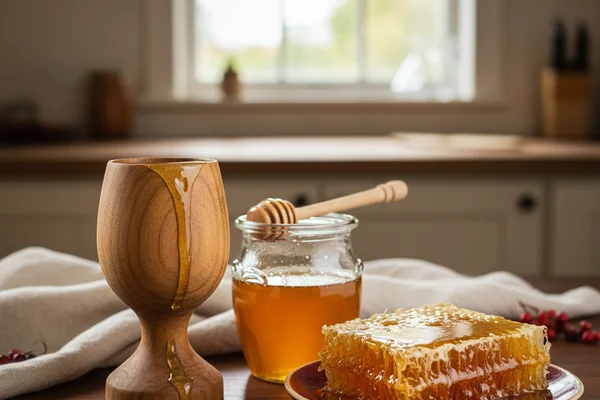
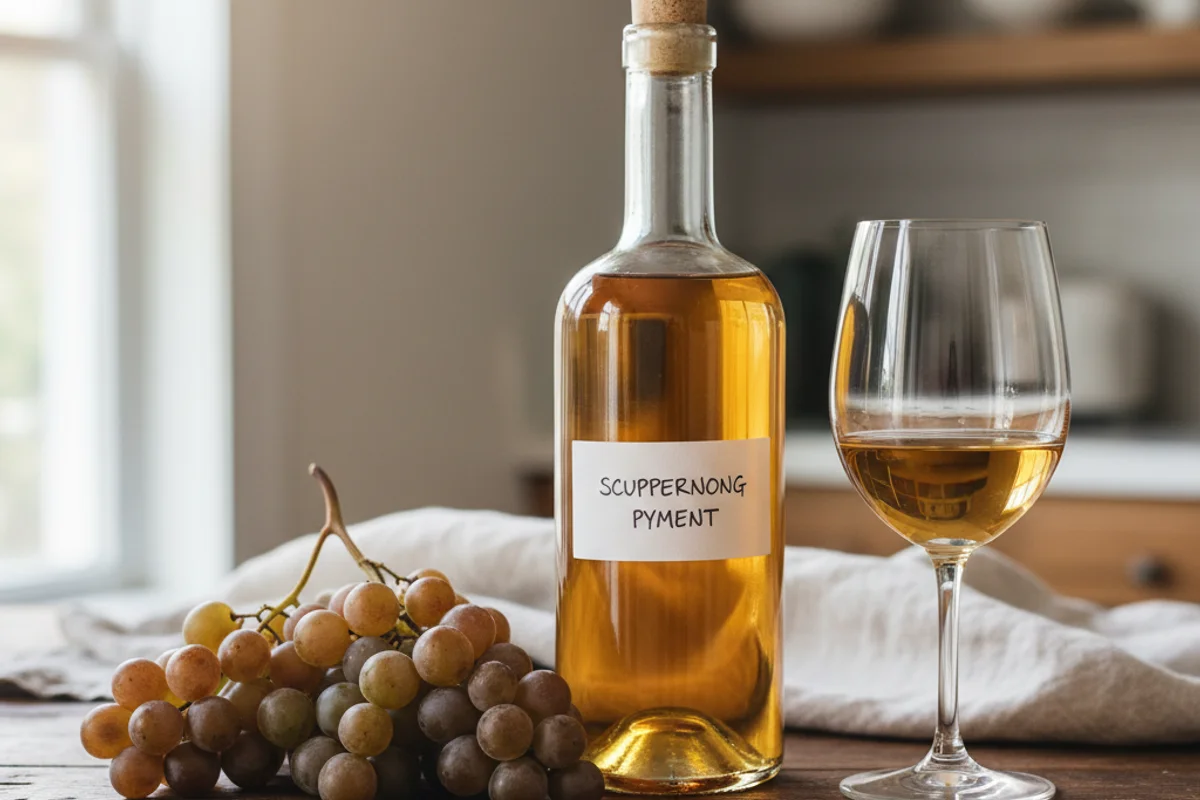
Imagine honey and grapes grown up together — not a wine, not a mead, but something in between that the ancient Greeks would have recognized immediately. Scuppernong grapes are a Southern original: thick-skinned, musky, and loaded with a floral richness that regular wine grapes just don’t have. When you dissolve raw honey into hot water and pour it over a bag full of crushed scuppernongs, something magic starts to happen. The result is a pyment — a grape-honey hybrid that ages beautifully and rewards patience like few other homemade wines can.
The beginner trap: Rushing the aging process — this pyment needs a full year of patient racking before it shows its best self, and it keeps improving for up to four years.
Ingredients
- 6–10 lbs scuppernong grapes, fresh or frozen, rinsed and destemmed
- 1½ lbs mild honey (wildflower or clover work well)
- 5–6 pints water
- 1½ tsp acid blend
- 1 tsp yeast nutrient
- ¼ tsp grape tannin (or 1 strong-brewed black tea bag, cooled)
- 1 packet sweet mead yeast (White Labs WLP720, or any liquid or dry mead yeast available at a homebrew shop)
Method
- Remove any damaged or underripe grapes, then place the good ones in a nylon straining bag, tie it closed, and set it in your primary fermenter.
- Bring 5 pints of water to a boil, stir in the honey until fully dissolved, and skim off any foam that rises to the top.
- Pour the hot honey-water directly over the bagged grapes in the fermenter, then crush the grapes through the bag with clean hands or a sanitized tool.
- Stir in the acid blend, yeast nutrient, and grape tannin; cover the fermenter and let the must cool to room temperature (below 75°F).
- Prepare your yeast starter according to the packet instructions, then pitch it into the cooled must and recover the fermenter loosely.
- Once fermentation is active and vigorous, squeeze the grape bag twice daily for 7 days to extract flavor and juice.
- After 7 days, lift out the bag and press it firmly to recover all the juice; discard the spent pulp and return the juice to the fermenter.
- When the active bubbling slows down, transfer the liquid to a 1-gallon glass jug (secondary fermenter), top up to the shoulder with water if needed, and fit an airlock.
- Rack into a clean jug every 30 days for the first three months, topping up and reattaching the airlock each time.
- Continue racking every 60 days for the next six months, adding one crushed Campden tablet (potassium metabisulfite) on every other racking.
- Two to three weeks before bottling, stabilize with potassium sorbate and sweeten to taste if desired, then bottle when clear and stable.
Why this works
Scuppernong grapes are naturally high in wild yeasts and tannins, but they’re also thick-skinned, which means most of their flavor is locked inside until you break the skin and give it time. Hot honey-water speeds up color and flavor extraction while also pasteurizing the must, giving your chosen yeast a cleaner environment to work in. Honey is almost pure fermentable sugar with very little of the nutrients yeast needs to thrive — that’s exactly why yeast nutrient is non-negotiable here. Without it, your yeast starves mid-fermentation, produces off-flavors, and may stall completely. The long racking schedule slowly clears proteins and dead yeast from the wine, which is what takes this from “interesting” to genuinely good.
Notes
If fresh scuppernongs aren’t available in your area, frozen ones work well — just thaw completely before crushing. Any sweet or semi-sweet mead yeast from a homebrew shop will work in place of the specific brands listed. If your finished pyment tastes too sharp, let it age longer rather than back-sweetening right away; the acidity often softens on its own over several months.