SEVILLE ORANGE WINE
Seville oranges are the misfit of the citrus world — too bitter to eat out of hand, too aromatic to ignore. The same compounds that make them the gold standard for British marmalade also make them fascinating for winemaking. You get layers: bright citrus up front, a floral note from the highly scented peel, and a dry, almost tannic finish that softens beautifully with age. This is not a sweet, simple orange wine. It has edges, and that’s exactly the point. Give it six months and those edges become character.
The beginner trap: Using peel from all the oranges — the volatile oils and bitter compounds in Seville peel will overwhelm the wine if you don’t discard half of it before you start.
Ingredients
- 5½ lbs (2.5 kg) granulated white sugar
- 24 thin-skinned Seville oranges (fresh or frozen)
- 4 lemons (fresh or frozen)
- 2 gallons water
- 3 Campden tablets, crushed
- 3 tsp yeast nutrient
- 1 packet Champagne wine yeast (Red Star Premier Blanc works well)
Method
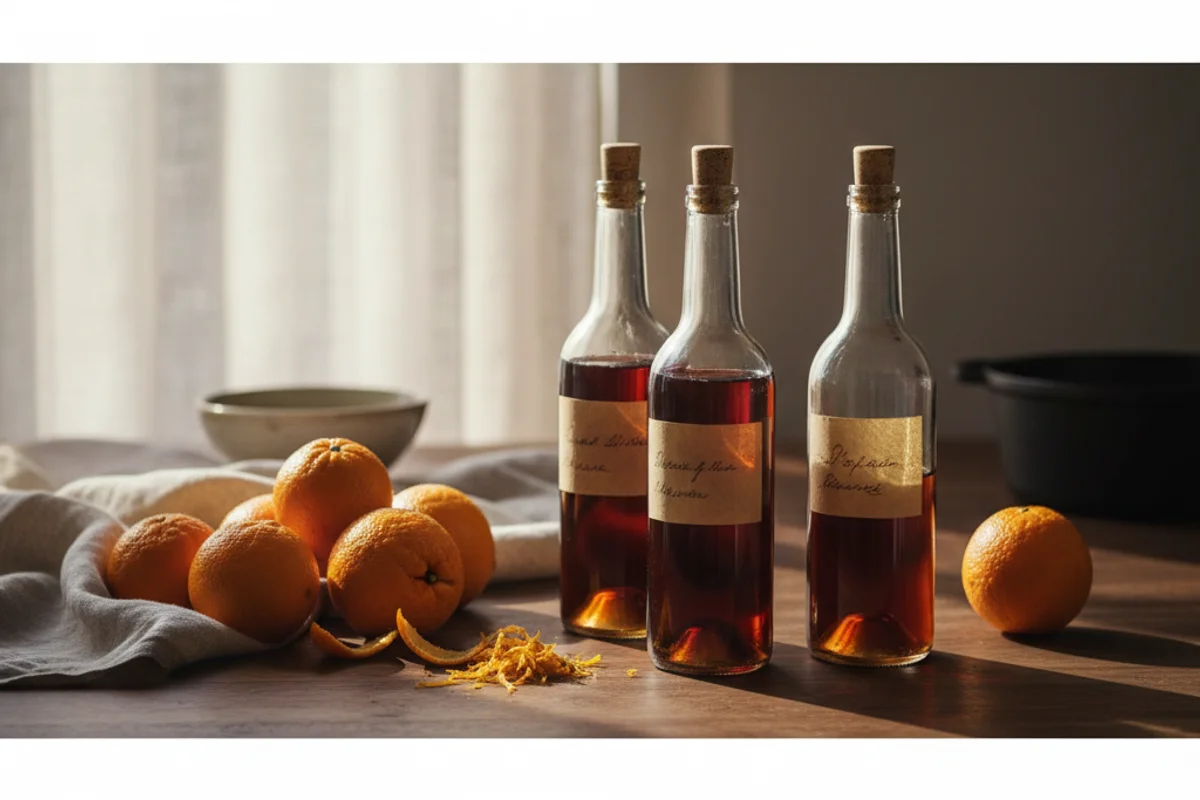
- Peel exactly half of the Seville oranges and throw those peels away — do not keep them.
- Slice all the oranges (peeled and unpeeled) and all four lemons, capturing every drop of juice, and put the slices and juice into your primary fermenter.
- Add half the yeast nutrient and the crushed Campden tablets to the fermenter.
- Bring the water to a full boil, then pour it over the fruit in the fermenter. Cover and let it cool to 75–80°F (24–27°C).
- Activate your yeast according to the packet instructions, then add it to the cooled must. Stir well.
- Stir once daily for 14 days, keeping the fermenter covered between stirs.
- Strain out the solids, pressing the pulp gently — don’t squeeze hard or you’ll extract extra bitterness.
- Stir in the sugar and the remaining yeast nutrient until the sugar is completely dissolved.
- Cover and leave for 3 days.
- Transfer to a 2½-gallon carboy and fit an airlock. Fill any leftover wine into a dark bottle with an airlock for topping up later.
- When fermentation stops, rack into a clean carboy, top up with your reserve wine, and refit the airlock.
- Rack again once the wine clears, then wait 60 days before racking into bottles. Age at least 6 months before opening.
Why this works
Seville orange peel is loaded with a bitter compound called aurantiamarin, along with volatile aromatic oils. Peeling only half the oranges is a deliberate balancing act — you get enough aroma and complexity from the remaining peel without drowning the wine in bitterness. Boiling water is used instead of cold water here, which helps break down the fruit’s cell walls and release juice and flavor more efficiently. The long 14-day primary fermentation on the fruit gives the yeast plenty of time to work through all that sugar and citric acid. Champagne yeast is the right tool for this job because it tolerates high alcohol and high acidity without stalling.
Notes
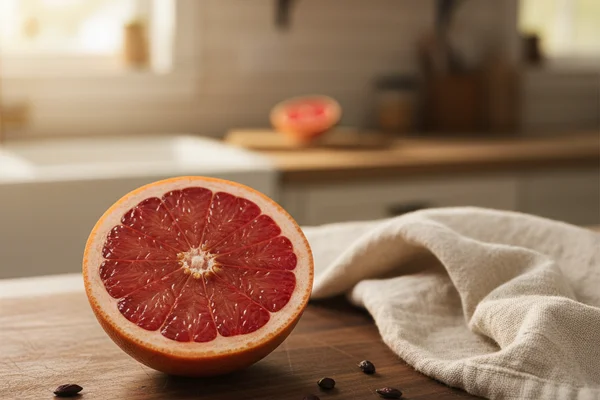
Seville oranges have a short season (roughly January–February in most markets), so frozen Sevilles are a practical substitute and work just as well here — thaw them fully before slicing. If you can’t find Sevilles at all, a mix of navel oranges and grapefruits won’t replicate the flavor exactly, but it gets you closer than standard oranges alone. If your wine tastes too bitter after six months, give it another three months in bottle — aurantiamarin mellows significantly with time.