Viticulture & Viticultural Research: Abstracts & Articles
Great wine starts long before the fermenter. It starts in the soil, on the trellis, inside the berry itself. Viticulture — the science and art of growing grapes — governs everything that ends up in your glass. Sugar levels, acid balance, color compounds, aroma precursors: the vine builds all of it before you ever pick up a hydrometer. Understanding how grapes grow, ripen, and respond to their environment is the single most powerful tool a winemaker can own.
The beginner trap: Most new winemakers focus entirely on fermentation technique while ignoring fruit quality — but no amount of yeast selection or acid adjustment can fix grapes that were harvested at the wrong time or grown under poor conditions.
This page is a curated reference library, not a step-by-step recipe. Use it to dig into the science behind the fruit you’re fermenting. The resources below cover the full arc of grape growing — from choosing a site and selecting a variety, all the way through disease management, pruning systems, harvest timing, and organic production.
Subject Areas Covered
- Variety selection — cultivar guides for the Midwest, South, Pacific Northwest, New York, and more; muscadine, hybrid, and Vitis vinifera varieties compared by region
- Vineyard establishment — site selection, soil preparation, planting costs, trellising systems, and early vine care
- Pruning & training — four-arm Kniffin, Geneva Double Curtain, spur systems, and the science of why pruning decisions drive yield
- Disease & pest management — black rot, downy mildew, powdery mildew, phylloxera, Pierce’s disease, and organic control options
- Berry ripening & harvest timing — the physiology of véraison, maturity evaluation methods, sugar and acid development, and sources of ripening error
- Soil & nutrition — pH management, potassium and nitrogen effects on quality, phosphorus deficiency, and compost use
- Cold hardiness — bud dormancy, winter injury assessment, freeze damage recovery, and cold-climate site selection
- Organic viticulture — production guides for California, New York, and Japan; economics of organic grape growing
- Rootstocks — phylloxera-resistant options, nutrient uptake differences, and rootstock effects on wine composition
- Economics & regulations — vineyard business planning, establishment cost budgets, federal wine regulations
Why This Matters for Home Winemakers
Berry ripening is chemistry in real time
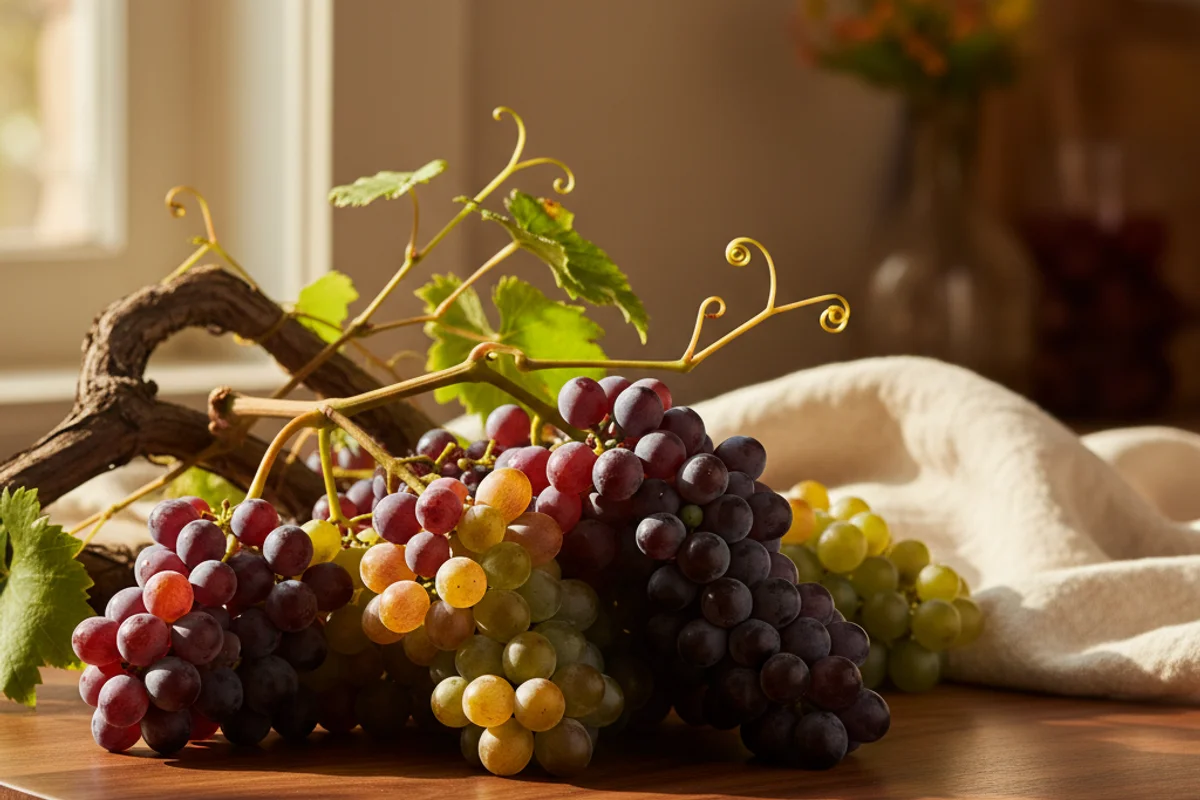
From fruit set through véraison — the point when berries change color and begin accumulating sugar — the grape berry is running a complex biochemical program. Malic acid degrades. Tartaric acid holds steady. Sugar climbs as the vine pumps glucose and fructose into the berry. Aroma compounds called terpenes and thiols form inside the skin cells. Phenolic compounds build color and tannin structure. Every one of those processes is sensitive to temperature, water stress, canopy density, and soil nutrition. That’s why a Concord grown in Arkansas tastes different from one grown in Michigan — same grape, different environment, different chemistry.
Potassium is a particular troublemaker. Several research papers in this collection document how excess potassium fertilization raises must pH, destroys acid balance, and produces flat, flabby juice. More fertilizer is not better. It’s often worse.
Timing the harvest is harder than it looks
Brix alone doesn’t tell the whole story. True maturity involves sugar, titratable acidity, pH, seed color, and — for some varieties — the development of specific flavor compounds. The resources here on maturity evaluation will help you think past the refractometer and toward the full picture.
Key References in This Collection
For beginners growing their first vines:
- Bunch Grapes in the Home Garden
- Growing Grapes in the Home Garden
- Home Fruit Production: Grape Training Systems
- Pruning Grapevines and Pruning Without Pain
For winemakers sourcing local fruit:
- Grape Sampling and Maturity Evaluation for Growers
- In Search of Optimal Grape Maturity
- Evaluating Fruit Maturity in Arkansas
- Dynamics of Grape Berry Growth and Physiology of Ripening
For understanding disease on purchased fruit:
- Black Rot of Grapes
- Downy Mildew of Grapes
- Powdery Mildew of Grape
- Bitter Rot of Grape
For cold-climate growers:
- Cold Hardiness of Grapes: A Guide for Missouri Growers
- Assessing & Responding to Winter Cold Injury to Grapevine Buds
- Factors Affecting Vineyard Site Suitability in Cold Climates
- Vitis Vinifera Winegrape Varieties for New York and Other Cold Climates
For organic production:
- Organic Grape Production Guide
- Controlling Fungal Diseases of Grapevine Under Organic Management Practices
- Economics of Growing Grapes Organically
- One Grower’s Experience with Organic Viticulture in the Finger Lakes
For muscadine growers in the South:
- America’s First Grape: The Muscadine
- Commercial Muscadine and Bunch Grape Production Guide
- Georgia Muscadine Production Guide
- Maturation Rates of Muscadine Grapes
For phylloxera management:
- Phylloxera: What Is It?
- Phylloxera-Resistant Rootstocks for Grapevines
- Managing a Phylloxera-Infested Vineyard
- How to Monitor Rate of Spread of Phylloxera in Your Vineyard
Notes
This collection was assembled as a snapshot of viticultural research available at the turn of the century. Some links may point to archived or outdated extension publications — cross-reference findings with your local land-grant university’s current extension service for updated spray schedules, approved materials, and region-specific cultivar recommendations. Your state’s cooperative extension office is almost always the best free resource for local growing conditions.