winemaking: pomegranate wine
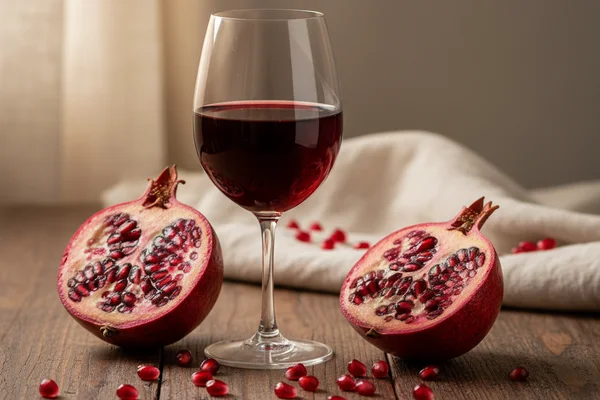
Pomegranate is basically a flavor grenade — tart, tannic, deeply ruby-red, with a complexity that sits somewhere between cranberry and dark cherry. That thick, leathery skin protects hundreds of jewel-like arils, each one a tiny pocket of juice just waiting to become wine. The finished product lands in medium-body territory: enough tannin to give it structure, enough acid to keep it lively, and a color so deep it looks like it means business. This is a wine that rewards patience more than most.
The beginner trap: Pomegranate juice stains everything permanently — skip the gloves and you’ll be explaining your purple hands for a week.
Ingredients
- 10–15 ripe pomegranates, fresh or frozen arils (about 4–5 cups of arils total)
- ½ lb. (225 g) pearl barley or regular barley
- 3 lb. (1.36 kg) granulated white sugar
- 1 lemon, juiced (about 3 tablespoons)
- 1 gallon (3.8 L) water
- 1 packet wine yeast (Lalvin EC-1118 or Red Star Premier Blanc work well)
- 1 teaspoon yeast nutrient
Method
- Put on gloves, then peel the pomegranates and pull the arils free from the white pith — discard every scrap of that bitter membrane.
- Bring the water to a boil with the barley in it, then reduce heat and simmer for 5 minutes.
- Strain the hot barley water directly over the pomegranate arils, sugar, and lemon juice in your primary fermenter; stir until the sugar fully dissolves.
- Let the must cool to 70–75°F (21–24°C), then stir in the activated yeast and yeast nutrient.
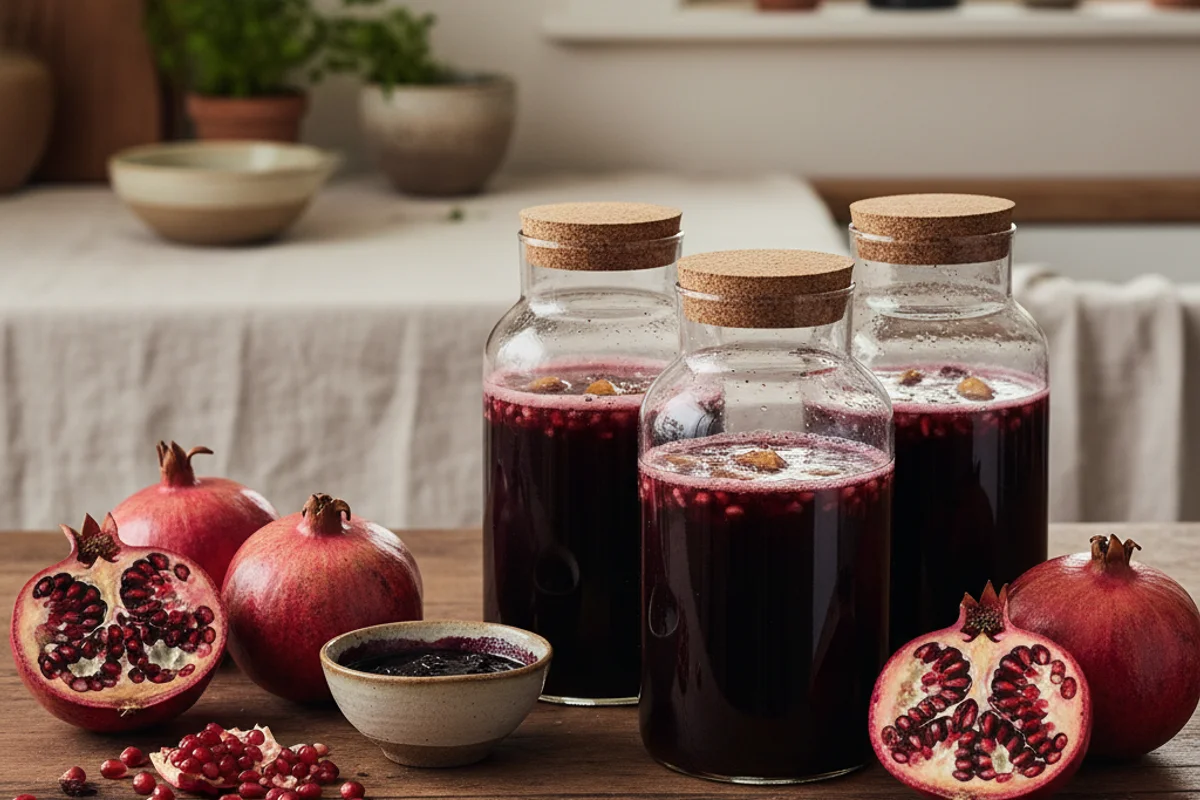
- Cover loosely with a cloth or loose lid and ferment at room temperature for 5 days, stirring once daily.
- Strain out the solids, transfer the liquid to a 1-gallon glass jug, and fit an airlock.
- Once the wine clears and bubbling stops, rack into a clean jug, then bottle; wait at least 6 months to taste, but 12 months is where it really opens up.
Why this works
Barley plays an interesting supporting role here. It contributes starch and a small amount of fermentable sugar, but more importantly it adds a subtle body and mouthfeel — think of it as a natural fining aid and texture builder rolled into one. Pomegranates bring ellagitannins and anthocyanins to the party, which are the same class of compounds that give red wine its structure and color stability. Those tannins need time to polymerize and soften, which is exactly why this wine tastes harsh at 3 months and surprisingly smooth at 12. The lemon juice keeps the pH in a yeast-friendly range and brightens the fruit character.
Notes
Frozen pomegranate arils (sold in the freezer section at many grocery stores and warehouse clubs) are a great shortcut — freezing actually helps break down the cell walls, releasing more juice during fermentation. If pomegranates are out of season or too pricey, 100% bottled pomegranate juice (no added sugar, no preservatives) can substitute at about 3–4 cups per gallon, though you’ll lose some of the tannin contribution from the whole fruit.