BANANA AND DRIED ELDERBERRY WINE
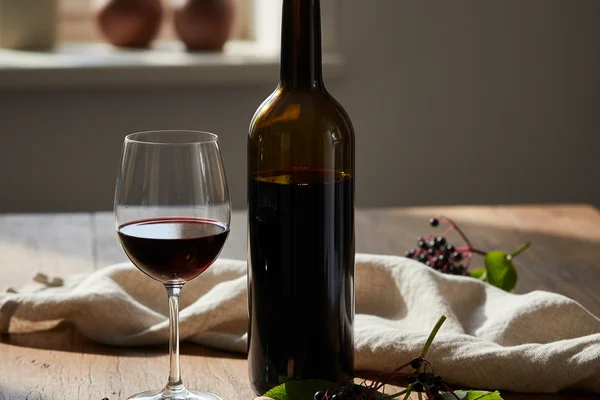
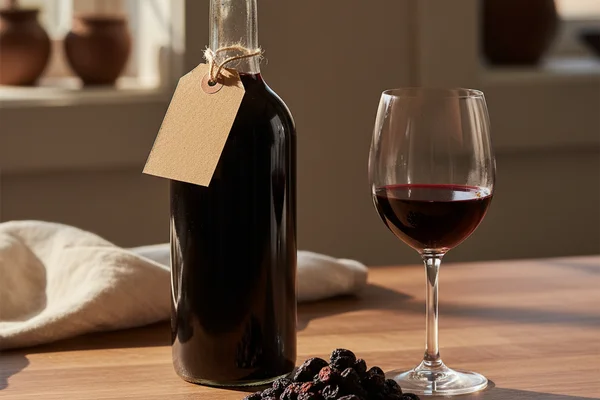
Bananas bring a creamy, almost custard-like body to wine that most people never see coming. Pair that with the dark, jammy depth of dried elderberries and you get something that lands closer to a rich dessert wine than anything you’d expect from a fruit bowl. The banana fades into the background as it ages, acting more like a texture builder than a flavor star, while the elderberry slowly unfolds into something genuinely complex. This is a slow-burn recipe — patience is the main ingredient.
The beginner trap: Skipping or shortening the aging time; this wine tastes rough and boozy at the three-month mark and needs closer to a year before it shows its real character.
Ingredients
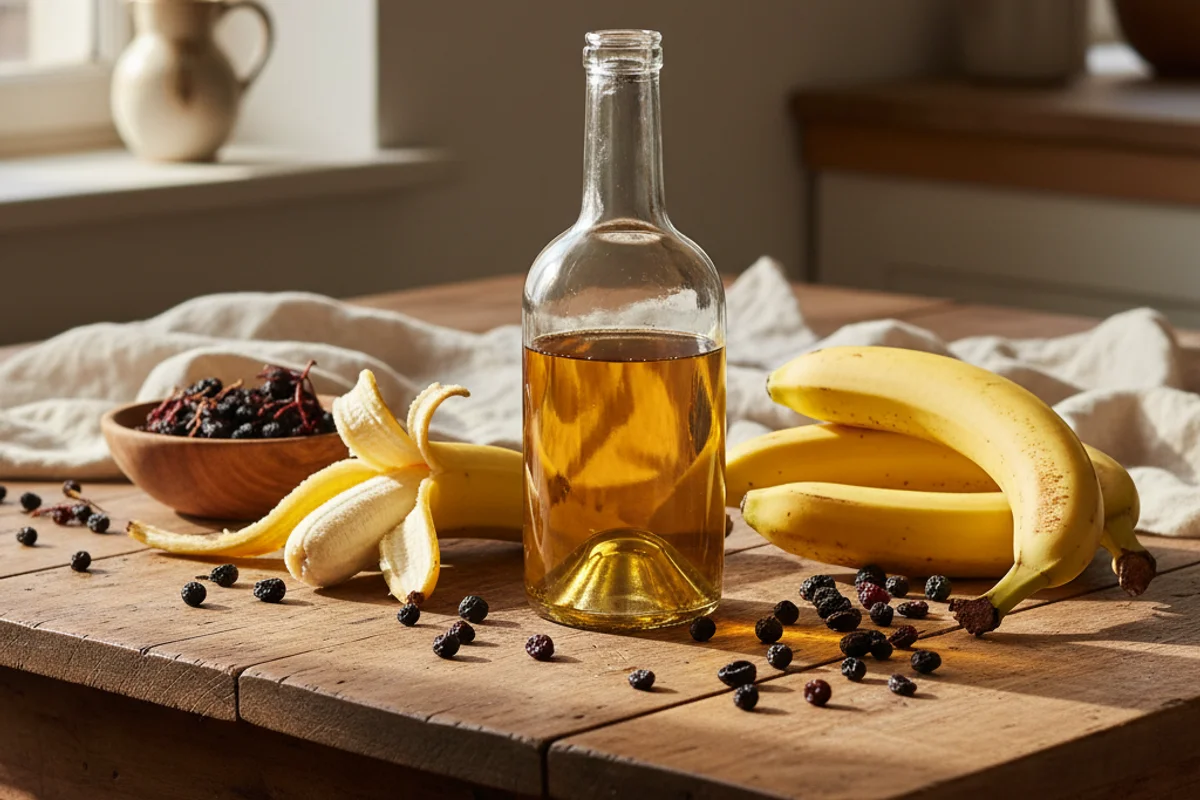
- 3 lb. bananas (ripe but not black), sliced thin with skins on
- ½ lb. dried elderberries (available online or at homebrew shops; dried blueberries can substitute in a pinch)
- 3 lb. granulated white sugar
- ½ oz. citric acid (find it in the canning aisle or use the juice of 3 lemons as a substitute)
- ⅛ tsp. grape tannin (available at homebrew shops; a cooled cup of strong black tea works as a stand-in)
- 1 gallon water
- 1 packet wine yeast (Lalvin EC-1118 or any all-purpose wine yeast)
- 1 tsp. yeast nutrient
Method
- Slice the bananas thin, skins included, and place them in your primary fermentation vessel along with the dried elderberries and sugar.
- Bring the water to a full boil, then pour it over the fruit and sugar, stirring until the sugar fully dissolves.
- Let the mixture cool to room temperature (below 75°F), then stir in the citric acid, grape tannin, yeast nutrient, and wine yeast.
- Cover the vessel with a clean cloth or loose lid and ferment at room temperature for 10 days, stirring the must once every day.
- Strain out all solids and transfer the liquid to a one-gallon glass jug (secondary fermenter), filling it to the base of the neck to minimize headspace.
- Fit an airlock and let it ferment undisturbed for two months, then rack (siphon) the wine off the sediment into a clean jug.
- Wait another two months and rack again into a clean jug.
- Set the wine aside for six more months, then rack one final time and bottle.
- Wait at least three months after bottling before tasting, but expect the best results after a full year.
Why this works
Bananas are loaded with pectin and natural starches, which break down during fermentation and contribute a smooth, full mouthfeel without adding obvious banana flavor to the finished wine. The skins bring tannin and color compounds into the mix early on. Dried elderberries are essentially concentrated flavor bombs — drying removes water but leaves behind pigments, tannins, and tart acids, all of which add structure and a deep reddish-purple color. The citric acid keeps the pH in a range where yeast stays happy and spoilage organisms don’t. All of that together means the wine needs time — long aging lets harsh alcohols mellow and the fruit compounds knit themselves into something balanced.
Notes
Frozen bananas work just as well here; thaw them completely before slicing. If you can’t find dried elderberries, dried blueberries or dried blackcurrants from the grocery store will get you in the same flavor neighborhood. If the wine still tastes sharp after bottling, give it another three to six months — this one genuinely rewards waiting.