BARLEY WINE (1)
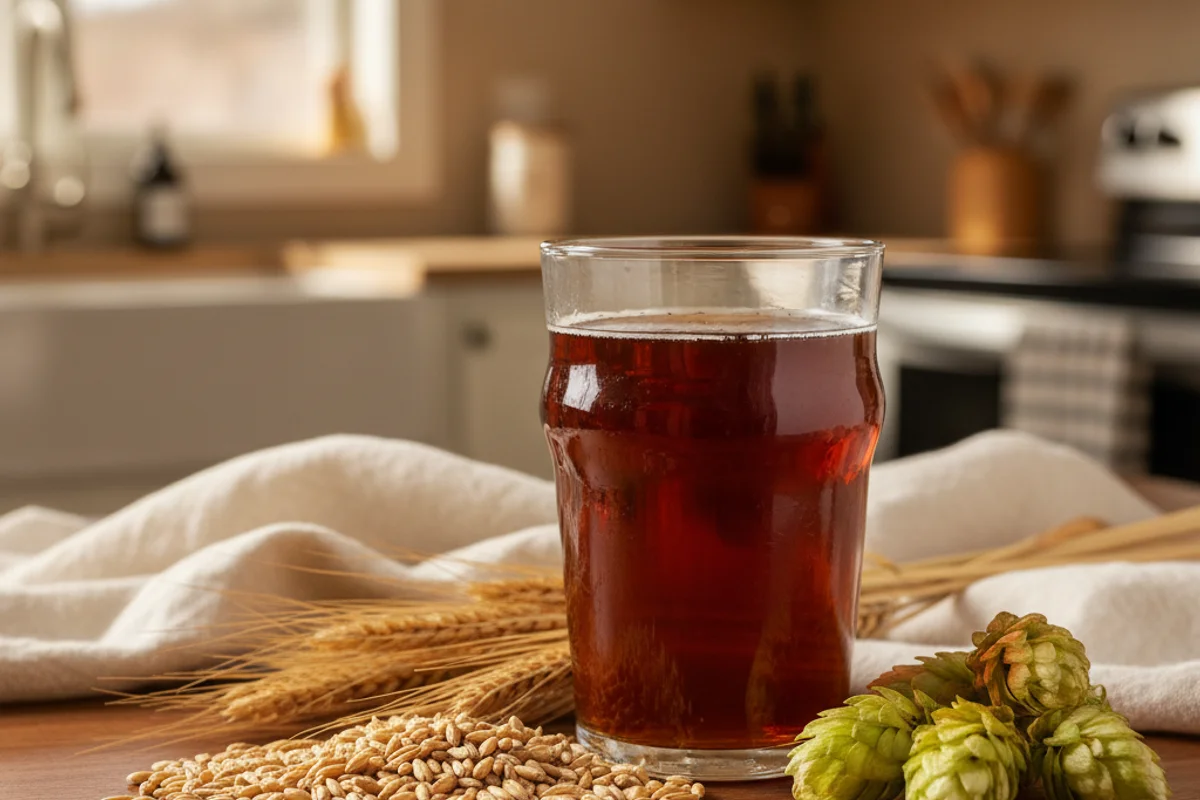
Forget everything you think you know about barley — this isn’t beer. Barley wine is a slow-built, golden country wine with a nutty depth that takes its time developing. Golden raisins add body and a quiet sweetness. Citrus zest and juice cut through the richness and keep things bright. The result is something warming and complex, the kind of drink you open a year from now and feel genuinely pleased with yourself about. Patience is the whole game here.
The beginner trap: Rushing to bottle before the wine has fully cleared and aged will leave you with a harsh, thin drink that never reaches its potential — this one needs a full year minimum.
Ingredients
- 1 lb. pearl barley (bulk bins or regular grocery aisle)
- 1 lb. golden raisins
- 2½ lb. granulated white sugar
- 2 lemons, zested and juiced
- 1 orange, zested and juiced
- 1 gallon water, divided
- 1 packet wine yeast (Lalvin EC-1118 or any general-purpose wine yeast)
- 1 tsp yeast nutrient
Method
- Rinse the barley under cold water, then soak it overnight in 1 pint of lukewarm water. Drain and discard the soaking water.
- Run the soaked barley and golden raisins through a food processor or mince them finely by hand until broken down into a rough, chunky paste.
- Zest both lemons and the orange before juicing them — set the juice aside for later.
- Combine the minced barley and raisins, the sugar, and all the citrus zest in a sanitized primary fermentation bucket.
- Bring 7 pints of water to a full boil, then pour it over the mixture in the bucket. Stir well until the sugar fully dissolves.
- Cover the bucket loosely and let it cool to 70–75°F (21–24°C). This usually takes 1–2 hours.
- Once cooled, stir in the reserved lemon and orange juice, the yeast nutrient, and the wine yeast. Cover tightly with a cloth or loose lid.
- Set the bucket in a warm spot (68–75°F) and stir it once a day for 7 days.
- Strain the liquid through a fine mesh strainer or muslin cloth into a 1-gallon glass carboy (your secondary fermenter). Press the solids to extract all the liquid you can.
- Top the carboy up with clean water to reach the 1-gallon mark, then fit an airlock.
- Rack the wine into a clean carboy once it clears — this typically takes 4–8 weeks. Rack again 3 months after that.
- Bottle after the second racking, then store the bottles somewhere cool and dark for at least one full year before opening.
Why this works
Barley contains starches and proteins but — unlike in beer-making — we’re not mashing it to convert starches into fermentable sugars. Here, the barley is primarily a flavor and body contributor. Most of the fermentable sugar comes straight from the granulated sugar and the raisins. Golden raisins bring natural sugars, trace minerals, and tannins that add structure without harsh astringency. The citrus zest holds aromatic oils that survive fermentation and mellow beautifully over a long aging period. Slow aging allows harsh alcohol notes to integrate and esters to develop, turning a rough young wine into something genuinely smooth and complex.
Notes
Pearl barley is easiest to find and works perfectly here — hulled barley also works if that’s what you have. If your finished wine seems thin after aging, a small addition of oak chips or a raisin-forward wine tannin powder during secondary can add body. Frozen citrus zest works fine if fresh fruit isn’t available; just thaw it fully before use.