BARLEY WINE (2)
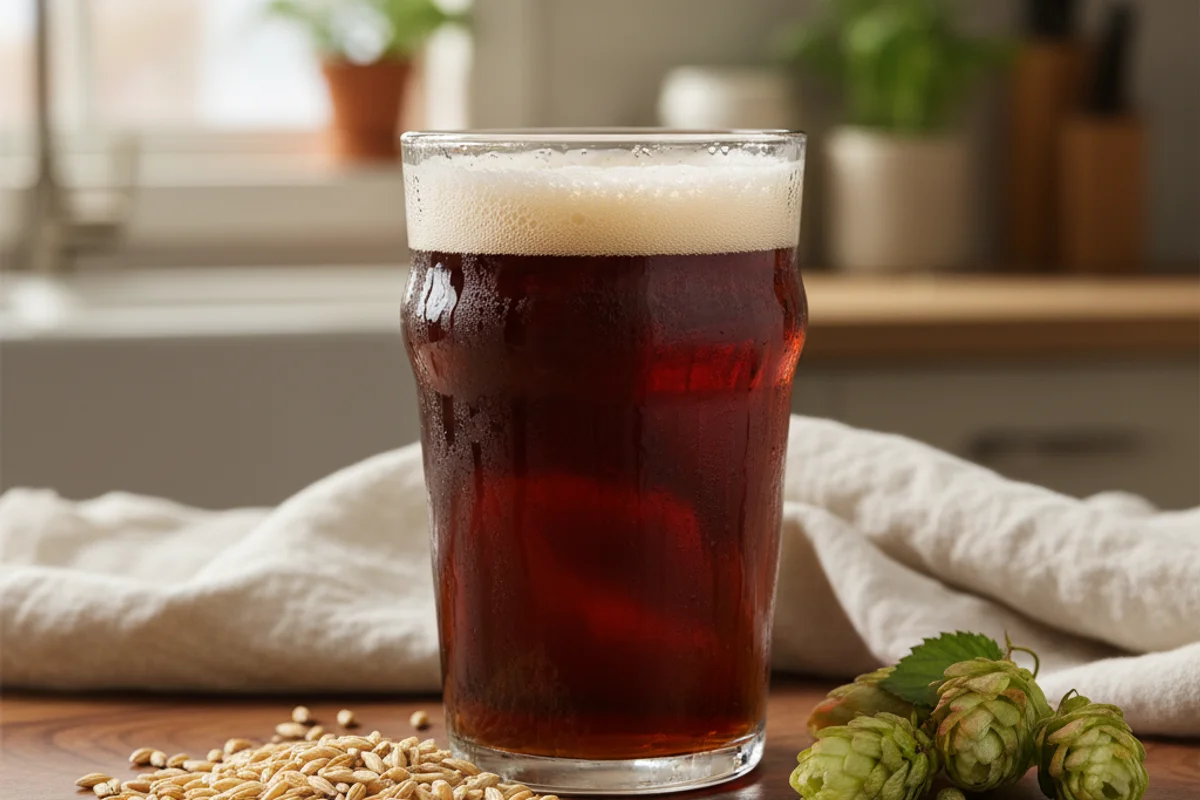
Barley wine sits in a strange, wonderful no-man’s-land between grain and grape. It drinks rich and warming, with a nutty, slightly bready backbone that white grape concentrate shapes into something genuinely wine-like. The alcohol climbs high, the body is full, and after a year in the bottle it develops a smooth, almost sherry-adjacent complexity that makes the wait completely worth it. This is a slow project — patient winemakers only.
The beginner trap: Skipping the full one-year bottle age and cracking one open at six months, when the wine still tastes harsh and unfinished.
Ingredients
- 1 lb. pearl barley (bulk bins or baking aisle)
- 1 pint white grape concentrate (wine supply shop, or substitute a second pound of sugar plus extra acid)
- 1½ lbs. granulated white sugar, plus ¼ lb. reserved for back-sweetening
- 2 tsp. acid blend (wine supply shop; substitute 1½ tsp. cream of tartar if unavailable)
- ¼ tsp. grape tannin (wine supply shop; substitute 1 strong brewed black tea bag, steeped and cooled)
- 1 crushed Campden tablet (potassium metabisulfite)
- 7 pints water, divided (1 qt. for soaking, 6 pt. for fermentation)
- ½ tsp. wine stabilizer (potassium sorbate), for finishing
- 1 packet wine yeast plus yeast nutrient (Lalvin EC-1118 or any general-purpose wine yeast)
Method
- Rinse the barley under cold running water, then submerge it in 1 quart of water and let it soak for 24 hours.
- Drain and discard the soaking water, then loosely crush the softened grain using a rolling pin or the bottom of a heavy pan.
- Place a grain bag over your primary fermentation vessel, pour the crushed grain and 6 pints of fresh water through it, then tie the bag closed and leave it sitting in the vessel.
- Add the grape concentrate, 1½ lbs. sugar, acid blend, grape tannin, and crushed Campden tablet to the vessel; stir thoroughly until the sugar fully dissolves.
- Cover the vessel and wait 24 hours to let the sulfite do its sanitizing work before adding yeast.
- Sprinkle in the wine yeast and nutrient, cover loosely, and set the vessel somewhere warm (65–75°F); stir once daily for five days.
- Lift and squeeze the grain bag gently to extract as much liquid as possible, then remove and discard the bag and spent grain.
- Siphon the liquid off the sediment into a clean secondary fermentation vessel and fit an airlock.
- Rack into a clean vessel after three weeks, then rack again at the two-month mark.
- Dissolve the reserved ¼ lb. sugar and ½ tsp. wine stabilizer in 1 pint of warm water, stir until clear, and blend it into the wine.
- Once the wine has dropped clear on its own, rack one final time into clean bottles and seal them.
- Store the bottles somewhere cool and dark for at least one full year before opening.
Why this works
Barley doesn’t naturally contain enough fermentable sugars to build a proper wine on its own — that’s a job for malting and mashing in brewing. Here, we lean on white grape concentrate and added sugar to supply the fermentable carbohydrates, while the barley contributes flavor compounds, light starch, and body. Soaking and lightly crushing the grain opens up the cell structure so those flavor compounds leach into the water during the five-day primary fermentation. The long aging time matters because fusel alcohols and harsh tannins produced early in fermentation need time to either evaporate, bind to other molecules, or simply mellow through oxidative micro-reactions in the bottle. A year gives all of that time to happen.
Notes
Pearl barley from any grocery store works perfectly here; no specialty homebrew grain is needed. If acid blend is hard to find locally, cream of tartar (potassium bitartrate) from the spice aisle is a workable stand-in. Because this recipe ages so long, label your bottles with the bottling date so you’re not guessing when the one-year mark hits.