Dandelion Wine (6)
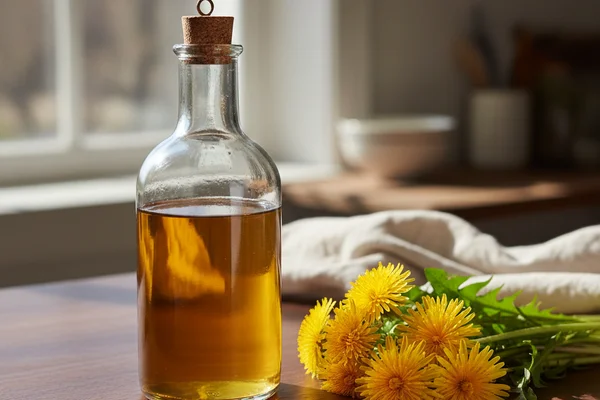
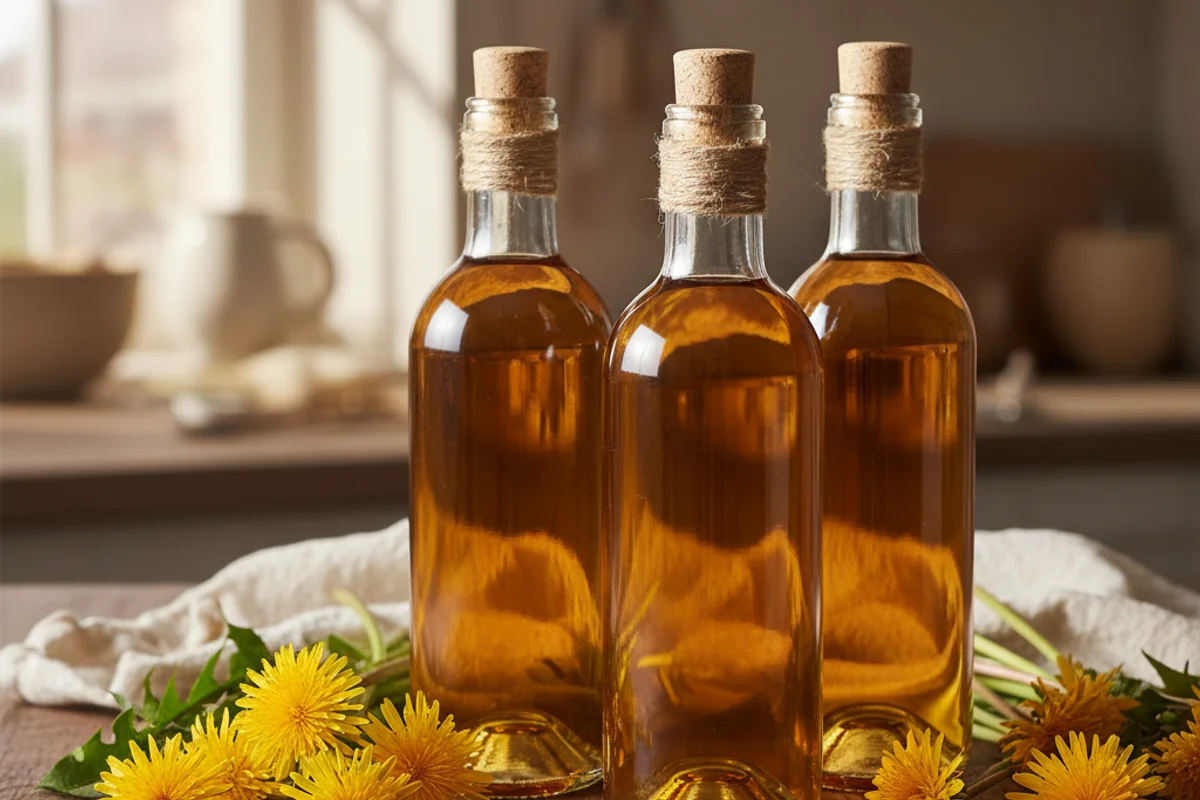
Dandelion wine has a reputation for being either transcendent or forgettable, and the difference almost always comes down to what you pick — and what you leave behind. The petals carry a delicate, honey-like floral character that’s genuinely surprising in a glass. White grape concentrate adds body and a subtle fruit backbone, while lemon and orange zest layer in brightness that keeps the whole thing from tasting flat. Give this wine a full year from start to finish and it will reward your patience.
The beginner trap: Leaving even a small amount of green stalk or calyx on the flowers will drive bitter, grassy flavors into the wine that no amount of aging will fix.
Ingredients
- 3 quarts dandelion flower petals (green parts fully removed)
- 2 lbs 7 oz granulated white sugar
- 2/3 cup white grape juice concentrate (find it in the frozen juice aisle)
- 2 lemons, juice and zest
- 1 orange, juice and zest
- 7 pints water
- 1 tsp yeast nutrient
- 1 packet all-purpose wine yeast (bread yeast in a pinch, but wine yeast is worth it)
Method
- Wash the dandelion petals thoroughly and confirm every bit of green stalk and base is removed.
- Bring the water to a full boil, pour it over the petals in your primary fermenter, stir, and cover tightly.
- Let the petals steep for up to 3 days, stirring once each day — do not go past 3 days or bitterness creeps in.
- Strain the liquid through a mesh bag or fine strainer into a large pot, squeezing the bag firmly to recover all the liquid.
- Add the sugar and the lemon and orange zest to the pot, bring to a gentle boil, and hold it there for one hour.
- Pour the hot liquid back into the primary fermenter, add the lemon and orange juice, and cover until it cools to room temperature (around 70–75°F).
- Stir in the yeast nutrient, then sprinkle in the yeast; cover and let it ferment for 3 days.
- Strain the liquid into a sanitized 1-gallon secondary fermenter (a glass jug works perfectly), stir in the white grape concentrate, and fit an airlock.
- Once the wine clears — typically several weeks — rack it off the sediment into a clean vessel, top it up to minimize headspace, and refit the airlock.
- Continue aging for 6–8 months total, then bottle and cellar for another 6 months before drinking.
Why this works
Dandelion petals are rich in flavor compounds but nearly devoid of the sugars and acids a yeast colony needs to thrive. The long steep in boiling water pulls those aromatic compounds out of the petals efficiently, while the boiling phase with sugar and zest does double duty: it sanitizes the must and drives off volatile off-flavors from the raw petals. White grape concentrate adds fermentable sugar and natural grape acids and tannins, giving the yeast more to work with and giving the finished wine a structural backbone it wouldn’t otherwise have. The citrus zest oils bond with other compounds during aging, slowly releasing brightness over months — which is exactly why patience here isn’t optional, it’s the whole plan.
Notes
Frozen dandelion petals (spread on a baking sheet, frozen solid, then bagged) work well if you can’t pick and process the full quantity in one session — freezing also helps break down the cell walls and improves extraction. If white grape concentrate is hard to find, a small amount of white grape juice (reduced on the stove by half) is a reasonable substitute. If fermentation seems sluggish past day two, a gentle stir and a slightly warmer location (75°F) usually gets things moving again.