Dandelion Wine (7)
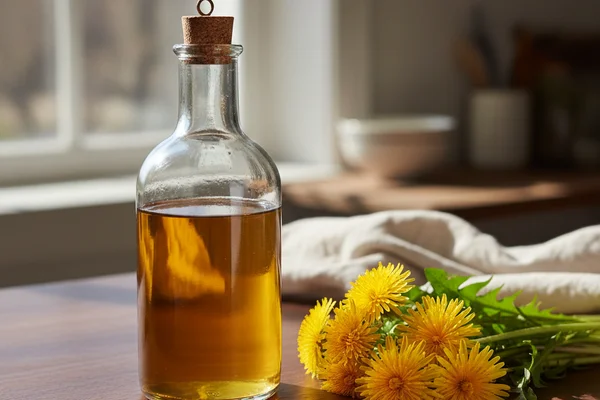
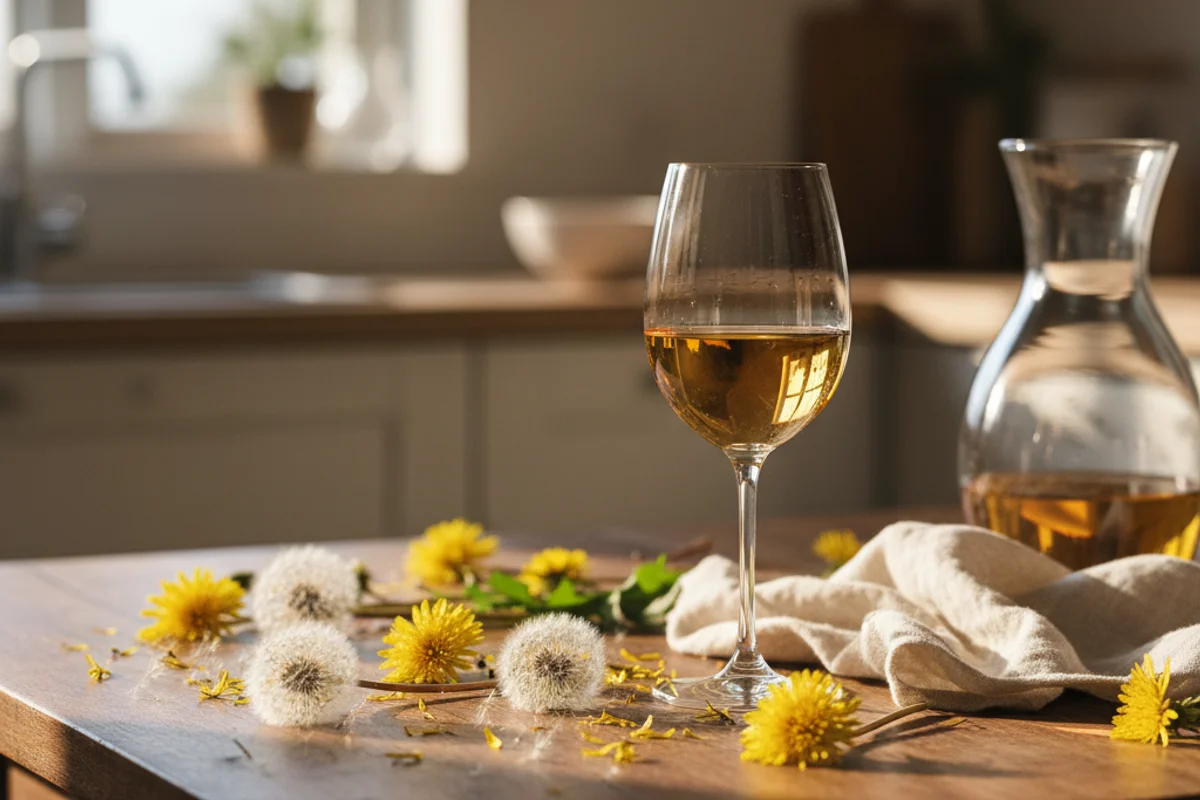
There’s a narrow window each spring when your lawn stops being a chore and becomes a brewery. Dandelion flowers — the same ones your neighbors are poisoning — carry a delicate, honey-like sweetness that translates surprisingly well into wine. This recipe layers in citrus and raisins to build body and brightness, giving the finished wine a golden color and a flavor that sits somewhere between a light mead and a dry floral white. Pick on a dry morning when the blooms are fully open, and you’re already halfway there.
The beginner trap: Leaving green stalk or any hint of the bitter white base attached to the petals will push harsh, vegetal flavors straight into your wine — pull every petal clean.
Ingredients
- 4 quarts dandelion flower petals, green parts fully removed (fresh or frozen)
- 3 lbs granulated sugar
- 4 lemons, sliced ¼-inch thick, peel and all
- 4 oranges, sliced ¼-inch thick, peel and all
- 1 cup white raisins (golden raisins work fine)
- 1 gallon water
- 1 tsp yeast nutrient
- 1 packet all-purpose wine yeast (Lalvin EC-1118 or Red Star Côte des Blancs are solid picks)
Method
- Bring the water to a full boil, then pour it over the cleaned petals in your primary fermenter. Stir, cover, and let the mixture steep for 7 days, stirring it thoroughly twice each day.
- After 7 days, pour the petal mixture through a nylon straining bag into a clean primary fermenter. Squeeze the bag firmly to pull out every drop of liquid.
- Add the sugar, citrus slices, raisins, and yeast nutrient to the strained liquid. Stir well until the sugar is fully dissolved.
- Add the yeast, stir to combine, and cover loosely. Stir the must once daily for 10 days.
- After 10 days, strain the wine into a glass secondary fermenter (carboy), fit an airlock, and let it sit undisturbed until the wine clears — usually 4 to 6 weeks.
- Rack off the sediment and set aside for 2 months, then rack again and age another 4 months.
- Rack into bottles and cellar for at least 6 months before opening.
Why this works
Dandelion petals contain delicate aromatic compounds that dissolve readily into hot water — essentially, you’re making a tea. The 7-day steep maximizes extraction without a boil, which would blow off those lighter aromatics. Citrus peel brings natural pectin and acid, keeping the wine bright and giving yeast the low-pH environment they prefer. Raisins add fermentable sugar, body, and trace nutrients without muddying the floral character. The long racking schedule isn’t just patience for its own sake — each rack pulls the wine away from spent yeast cells that, left in contact too long, break down and contribute off-flavors. Time is doing real chemical work here.
Notes
Frozen dandelion petals work well and actually make straining easier — thaw them completely before adding hot water. If you can’t find white raisins, standard dark raisins are a fine substitute, though they may add a slightly deeper color. If the finished wine tastes flat or thin after aging, a small addition of acid blend (¼ tsp at a time) can bring the brightness back.