OAKBUD WINE (Dry)
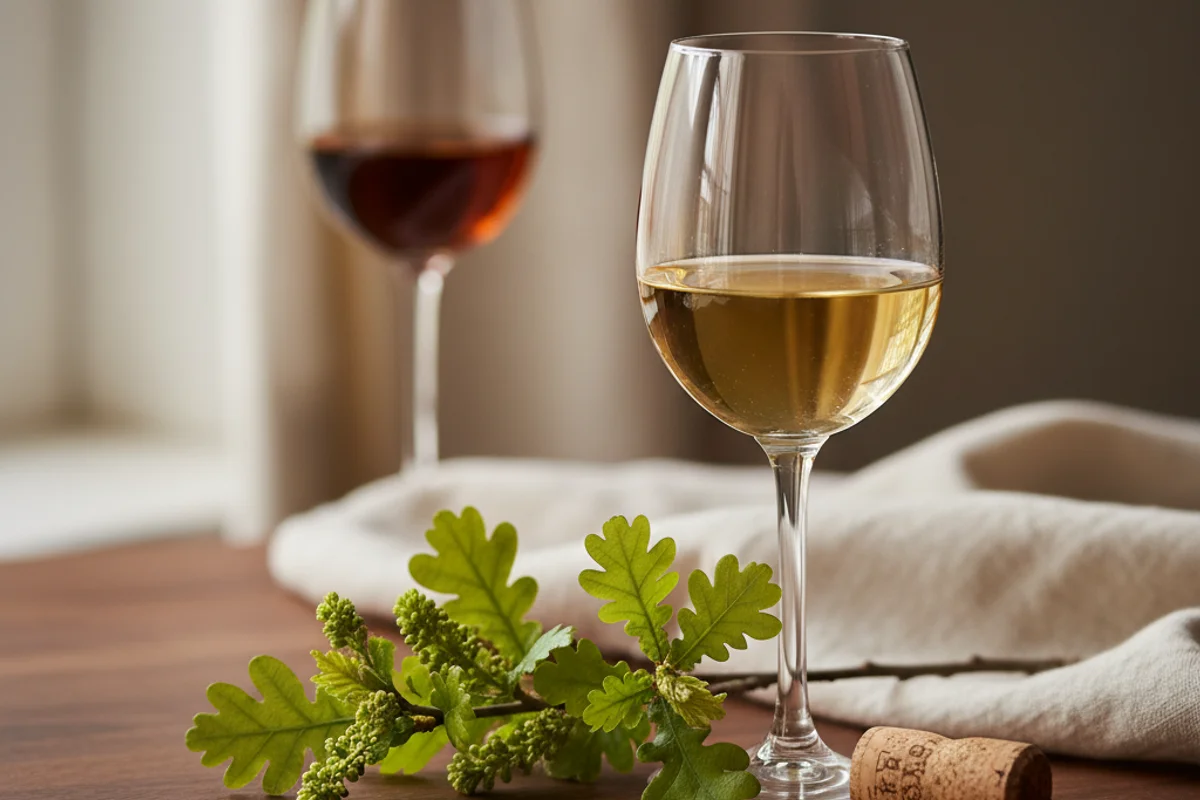
Spring lasts about ten minutes if you’re paying attention. That narrow window when oak trees push out their first pale-green buds and tender new leaves carries a flavor you can’t buy in any store — something between green tea, raw wood, and forest floor, with just enough tannin to make your mouth sit up straight. Paired with dates and raisins for body and natural sugar, those fleeting buds become a dry, earthy wine that tastes like the woods smell after rain. It takes patience, but the result is genuinely unlike anything else in your cellar.
The beginner trap: Skipping the full six-to-twelve month aging period — this wine tastes harsh and unfinished young, but genuinely transforms with time.
Ingredients
- 8 oz (½ lb) fresh oak buds and young leaves, rinsed
- 8 oz (½ lb) dates, pitted and roughly chopped
- 8 oz (½ lb) raisins, roughly chopped
- 2¼ lbs granulated white sugar
- 1 lemon, juiced (about 3 tablespoons)
- 1 gallon water, divided
- 1 packet wine yeast (Lalvin 71B or EC-1118 work well)
- 1 teaspoon yeast nutrient
Method
- Bring 6 pints (¾ gallon) of water to a full boil, then add the oak buds, leaves, chopped dates, and chopped raisins.
- Reduce heat and simmer the mixture for 20 minutes, then strain the liquid through a fine mesh strainer or cheesecloth into a large heat-safe container, discarding the solids.
- Add the sugar to the hot liquid and stir until it fully dissolves.
- Let the liquid cool to 70°F (room temperature), then stir in the lemon juice, yeast nutrient, and yeast.
- Cover the container loosely but securely (a cloth secured with a rubber band works fine) and let it ferment at room temperature for four days.
- Transfer the wine to a 1-gallon secondary fermentation vessel (a glass carboy or jug), top up with the remaining water to bring it to 1 full gallon, and seal with an airlock.
- Leave it alone until the wine clears — this takes roughly 2 to 3 months — then rack (siphon) carefully into a clean vessel, leaving sediment behind.
- Rack again after another two months, then bottle.
- Age in the bottle for at least six months before drinking; one full year is better.
Why this works
Oak contains tannins — complex polyphenol molecules that bind to proteins and create that dry, grippy feeling in your mouth. Young buds and spring leaves have these tannins in a softer, less aggressive form than mature bark or wood chips. Simmering extracts those tannins along with pigments and aromatic compounds without boiling off the delicate volatiles you actually want in the glass. The dates and raisins aren’t just sweetener — they add glucose, fructose, and amino acids that give the yeast something substantial to work with and build body in the finished wine. Long aging lets harsh tannins polymerize and mellow, which is exactly why this wine rewards patience so well.
Notes
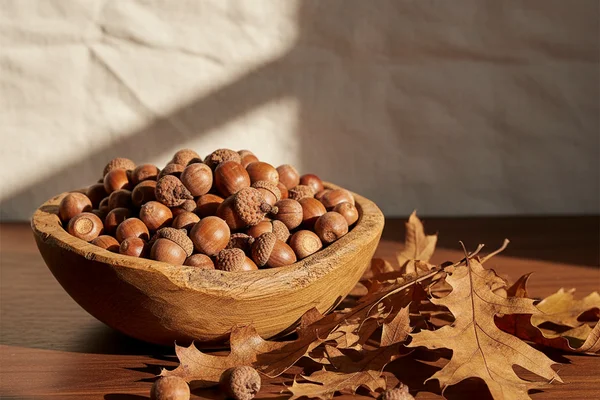
Harvest oak buds in early spring when they’re just cracking open — red oak, white oak, and English oak all work. If you can’t forage your own, this recipe doesn’t have a clean grocery-store substitute for the buds themselves, so it’s a seasonal-only project. Medjool dates from the grocery store are ideal; any raisins work fine. If your wine still tastes rough at six months, simply cork it back up and check again at twelve.