PARSNIP WINE
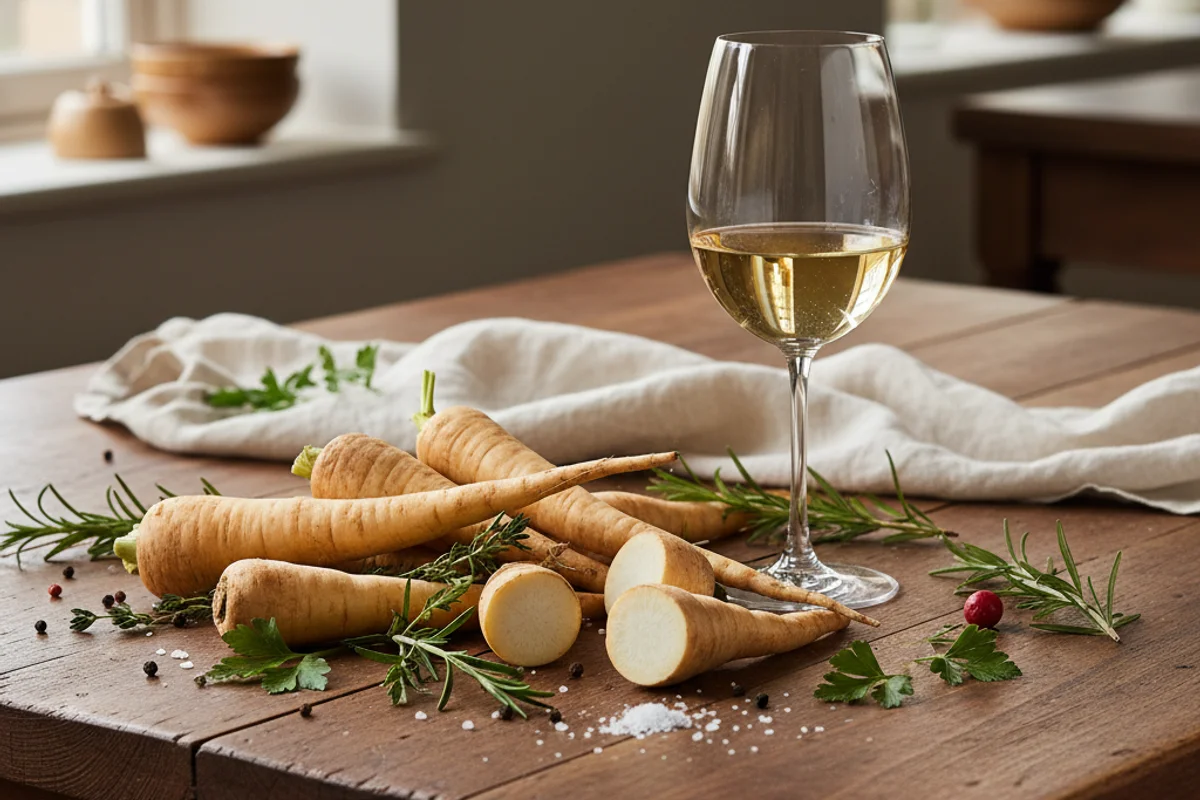
Parsnips are the quiet overachievers of the root vegetable world. Raw, they smell faintly of pine and pepper. Cooked, they turn sweet and almost nutty — somewhere between a carrot and a potato, but more interesting than either. That complexity carries straight into the fermentation vessel, producing a wine that is dry, delicate, and genuinely surprising. Add a hit of white grape concentrate for body, ripe bananas for texture, and a handful of elderflowers or rose petals for aromatics, and you end up with something that earns a second glass.
The beginner trap: Skipping the full 18-month racking schedule — parsnip wine needs that time to shed its earthy edge, and rushing it to the bottle early will leave you with something murky and harsh.
Ingredients
- 4 lbs parsnips, scrubbed and thinly sliced
- 1 lb ripe bananas, peeled and sliced
- 10.5 oz can white grape juice concentrate (frozen concentrate works fine)
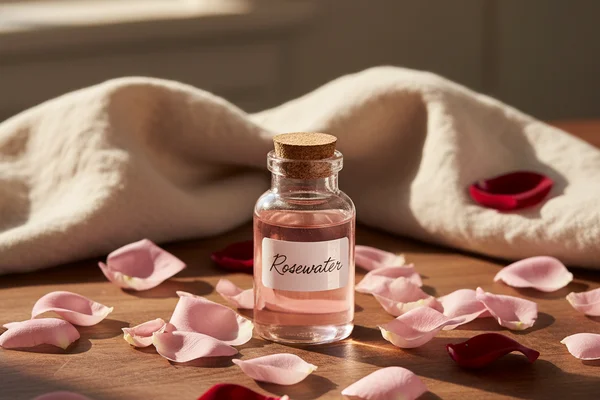
- ½ cup fresh elderflowers or rose petals
- 1¾ lbs granulated white sugar
- 1½ tsp tartaric acid (or acid blend from any homebrew shop)
- 1 tsp pectic enzyme
- ½ tsp wine tannin (or 1 cup plain brewed black tea, cooled)
- 1 tsp yeast nutrient
- 1 Campden tablet, crushed
- 7½ pts (about 15 cups) water, divided
- Sauternes wine yeast (or any sweet white wine yeast)
Method
- Bring 1 pt of water to a boil, dissolve all the sugar in it, and set the syrup aside in a clean, covered jar.
- Place the sliced parsnips and bananas in a large saucepan with the remaining 6½ pts of water. Bring to a gentle boil and cook for 30 minutes.
- Strain the liquid into your primary fermenter and discard the solids. Let it settle, uncovered, for 24 hours.
- After 24 hours, siphon the clear liquid off the sediment into your secondary fermenter, leaving the cloudy layer behind.
- Stir in the grape concentrate, tartaric acid, pectic enzyme, tannin, yeast nutrient, and the crushed Campden tablet. Mix well.
- Activate your yeast according to the packet directions, then add it to the fermenter. Cover the opening with a paper towel secured with a rubber band.
- Once fermentation is clearly active and bubbling vigorously (usually 1–2 days), pour in the reserved sugar syrup and add the elderflowers or rose petals. Fit the airlock.
- After 1 week, strain out and discard the flowers, then return the liquid to a clean secondary fermenter. Refit the airlock and let fermentation continue until the wine starts to clear on its own.
- Rack the wine off its sediment, top up to reduce headspace, and refit the airlock.
- Once the wine is completely clear, rack again into a clean vessel. Dissolve 2 Campden tablets in ½ cup of water, stir that solution in, top up, and refit the airlock.
- Two weeks later, rack one more time, add another 2 Campden tablets dissolved in ½ cup water, then sweeten with reserved sugar syrup to a specific gravity of 1.008. Top up and refit the airlock.
- Rack every 6 months for 18 months total, checking the airlock each time. Then bottle and age at least 6 more months before opening.
Why this works
Parsnips are starchy and low in natural acid, which is why this recipe compensates hard on two fronts. The bananas add body through their natural pectin and sugars — they act like a texture booster, giving the finished wine a rounder mouthfeel without adding obvious banana flavor. The white grape concentrate fills in the mid-palate structure that a root vegetable alone can’t provide. Tartaric acid brings the pH into a range where yeast thrive and spoilage bacteria struggle. Pectic enzyme breaks down the cell-wall pectin in both the parsnips and bananas, which would otherwise cause a permanent, unfixable haze in the finished wine. The flowers are added mid-fermentation rather than from the start so the alcohol that’s already been produced helps extract their aromatic compounds without the heat of primary fermentation cooking them off.
Notes
Dried elderflowers (available online or at homebrew shops) can substitute for fresh — use about 2 tablespoons. If neither elderflowers nor rose petals are available, a few strips of lemon zest added at the same step will provide a light floral lift. Tartaric acid is the most common wine acid, but standard acid blend from any homebrew retailer works as a one-for-one swap. This wine genuinely does not peak until year two, so plan accordingly before you open the first bottle.