Rose Petals
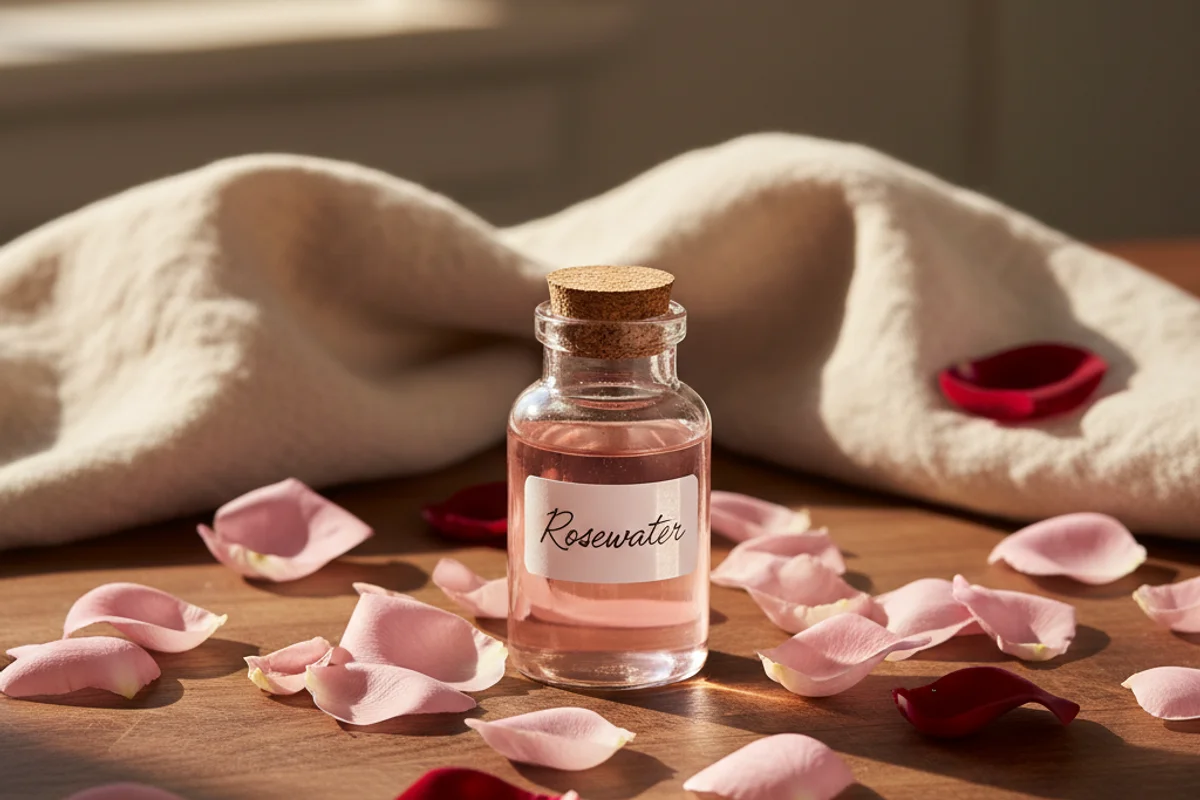
There is something almost alchemical about turning a handful of rose petals into wine. The same aromatic compounds that make a garden rose smell like a perfume counter — geraniol, nerol, citronellol — don’t just disappear when you ferment them. They bind to alcohol and carry right through into the glass. The result is a wine that smells exactly like it sounds: floral, delicate, and just a little surprising. Color ranges from barely blush to soft gold depending on the rose variety. Fragrance is everything here, so pick your petals accordingly.
The beginner trap: Using roses that smell beautiful in the garden but produce a thin, watery wine — rose petals have almost no sugar, acid, or body on their own, so skipping the raisin addition is the single fastest way to end up with disappointing results.
Ingredients
- 6 cups fresh, fragrant rose petals (wild or cultivated; must be unsprayed)
- 1/4 lb (about 2/3 cup) white raisins, chopped — golden raisins from any grocery store work perfectly
- 2-1/2 lbs (about 5 cups) granulated white sugar
- 1 gallon water
- 2 tsp acid blend — or substitute 2 tbsp fresh lemon juice
- 1 tsp pectic enzyme (found at homebrew shops or online)
- 1 Campden tablet, crushed — or 1/4 tsp potassium metabisulfite powder
- 1 packet wine yeast (Rhine, Champagne, or any dry white wine yeast) plus yeast nutrient
Method
- Harvest rose petals just before you start — the fresher the petal, the stronger the color and aroma. Remove all green parts (hips, sepals, stem bases) and discard.
- Bring 6 pints (3/4 gallon) of water to a full boil and pour it over the petals, chopped raisins, sugar, acid blend, and crushed Campden tablet in a sanitized primary fermentation bucket. Stir gently until the sugar fully dissolves.
- Cover the bucket with a clean cloth or loose plastic wrap and set it somewhere warm (65–75°F) for 24 hours. This rest lets the sulfite do its sanitizing work before you add live yeast.
- After 24 hours, stir in the pectic enzyme and pitch the yeast according to the packet directions. Add half of the remaining water (about 1 quart).
- Leave the bucket covered in a warm spot for 7–10 days, stirring once daily. Do not let the primary fermentation run longer than 10 days or off-flavors can develop.
- Strain the must through a fine-mesh strainer or muslin bag into a sanitized 1-gallon glass jug (secondary fermenter). Press the solids gently to extract the liquid, then top the jug up to the neck with the remaining water.
- Fit an airlock and move the jug somewhere cool and dark. Rack the wine off its sediment after 30 days, then again after another 30 days.
- Bottle once the wine runs clear. Store bottles in a dark, cool place for at least 6 months before opening — a full year will reward your patience significantly.
Why this works
Rose petals are essentially fragrant water with a tiny bit of sugar and almost no acid or tannin. On their own, they would produce a thin, flavorless liquid. The chopped white raisins fix this: they contribute fermentable sugar, a small amount of tannin for structure, and amino acids that give yeast something to eat. Pectic enzyme breaks down the pectin naturally present in the petals, which prevents a permanent cloudy haze in the finished wine. The hot water pour extracts color and aromatic compounds quickly without cooking off the more volatile top notes. The 24-hour sulfite rest suppresses wild yeast and bacteria so your chosen wine yeast can dominate fermentation cleanly from the start.
Notes
Petals that are just beginning to fade on the plant (but not yet browning) are still perfectly usable — color and scent may be slightly lighter but the wine will still be good. You can freeze rose petals in a zip-top freezer bag up to two days in advance, which actually helps break down cell walls and improves extraction. For a drier wine, reduce sugar to about 2-1/4 lbs; for a sweeter style, increase to 2-3/4 lbs. Champagne yeast will ferment more completely and produce a drier, higher-alcohol result than Rhine or other white wine yeasts.