Pumpkin Wine
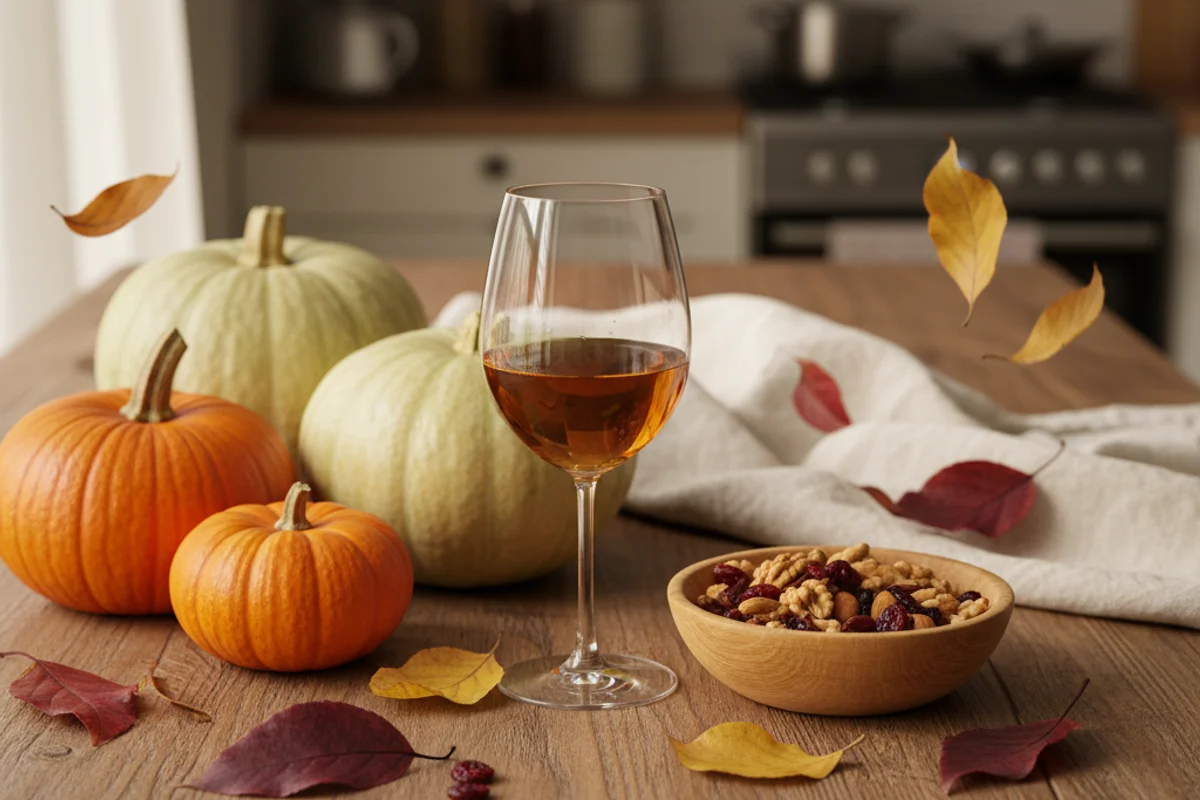
Pumpkin isn’t just a pie filling or a latte flavor — it’s a legitimate winemaking ingredient with earthy sweetness and a surprisingly clean finish. The flesh is low in acid and packed with pectin, which means this wine needs a little chemical coaxing to go from gourd to glass. Done right, you end up with a pale amber wine that tastes like autumn without tasting like dessert. It’s subtle, it’s dry, and it will genuinely impress people who assumed you were joking when you said you made pumpkin wine.
The beginner trap: Skipping or shortcutting the pectic enzyme step leaves you with a permanently hazy wine that no amount of racking will fix — pumpkin is loaded with pectin, and the enzyme is what breaks it down.
Ingredients
- 5 lbs grated pumpkin flesh (fresh sugar pumpkin or pie pumpkin; canned pure pumpkin purée works in a pinch)
- 3¼ lbs granulated white sugar
- 6½ pts (about 3¼ quarts) water
- ½ oz citric acid (find it in homebrew shops or the canning aisle)
- 1 tsp pectic enzyme
- 1 tsp yeast nutrient
- ¼ tsp yeast energizer (optional but recommended)
- 1 Campden tablet, finely crushed and dissolved in a small amount of water
- 1 packet wine yeast (Montrachet or Lalvin EC-1118 work well here)
Method
- Grate the pumpkin flesh by hand or with a food processor’s grating attachment — do not blend it into mush or chop it in chunks; you want shreds, not baby food.
- Bring the water to a boil and stir in the sugar until fully dissolved, then remove from heat.
- Place the grated pumpkin in your primary fermenter and pour the hot sugar water over it.
- Let the mixture cool to room temperature, then stir in the dissolved Campden tablet. Cover and let it sit for 8–10 hours.
- Add the pectic enzyme, cover again, and leave it overnight — at least 10 hours.
- The next morning, stir in the citric acid, yeast nutrient, yeast energizer, and your activated yeast.
- Cover the fermenter and stir twice daily for three days, pushing the pumpkin cap back down into the liquid each time so it stays wet.
- Pour the must through a nylon straining bag into a clean vessel and let the pumpkin drip-drain completely — don’t rush this step.
- Transfer the liquid to your 1-gallon secondary fermenter and fit an airlock. If you’re short of a full gallon, wait 5 days before topping up with water or a neutral must.
- Rack after two weeks, then again 30 days later, topping up to the shoulder of the jug and refitting the airlock each time.
- After three more months, rack one final time, then stabilize: dissolve ½ tsp potassium sorbate and one crushed Campden tablet in a small splash of the wine, then stir it into the batch.
- Wait three weeks for any remaining yeast to settle out, taste for sweetness, then rack into clean bottles and cork.
- Store for at least six months before opening — this wine hits its stride around Thanksgiving or Christmas of the following year.
Why this works
Pumpkin flesh is mostly water and starch, with very little natural sugar and almost no acid — the opposite of most winemaking fruits. That’s why this recipe adds both sugar (for alcohol) and citric acid (for balance and microbial stability). The bigger challenge is pectin. Pumpkin is full of it, and pectin forms a haze in finished wine that looks like a permanent fog bank. Pectic enzyme is a protein that physically breaks those pectin chains apart, which lets the particles clump and fall out during racking. The 10-hour wait after adding the enzyme isn’t optional — the enzyme needs time at the right temperature to do its job. Rush it and you’ll pay for it in clarity later.
Notes
Canned 100% pure pumpkin (not pie filling) can substitute for fresh — use about 4 cups and skip the grating step, but expect a slightly softer flavor. If your finished wine keeps blowing corks, your fermentation wasn’t fully complete before bottling; always stabilize with potassium sorbate and a Campden tablet before you cork. Yeast energizer can be skipped if unavailable, but yeast nutrient is not optional with a low-nutrient base like pumpkin.