RIESLING WINE
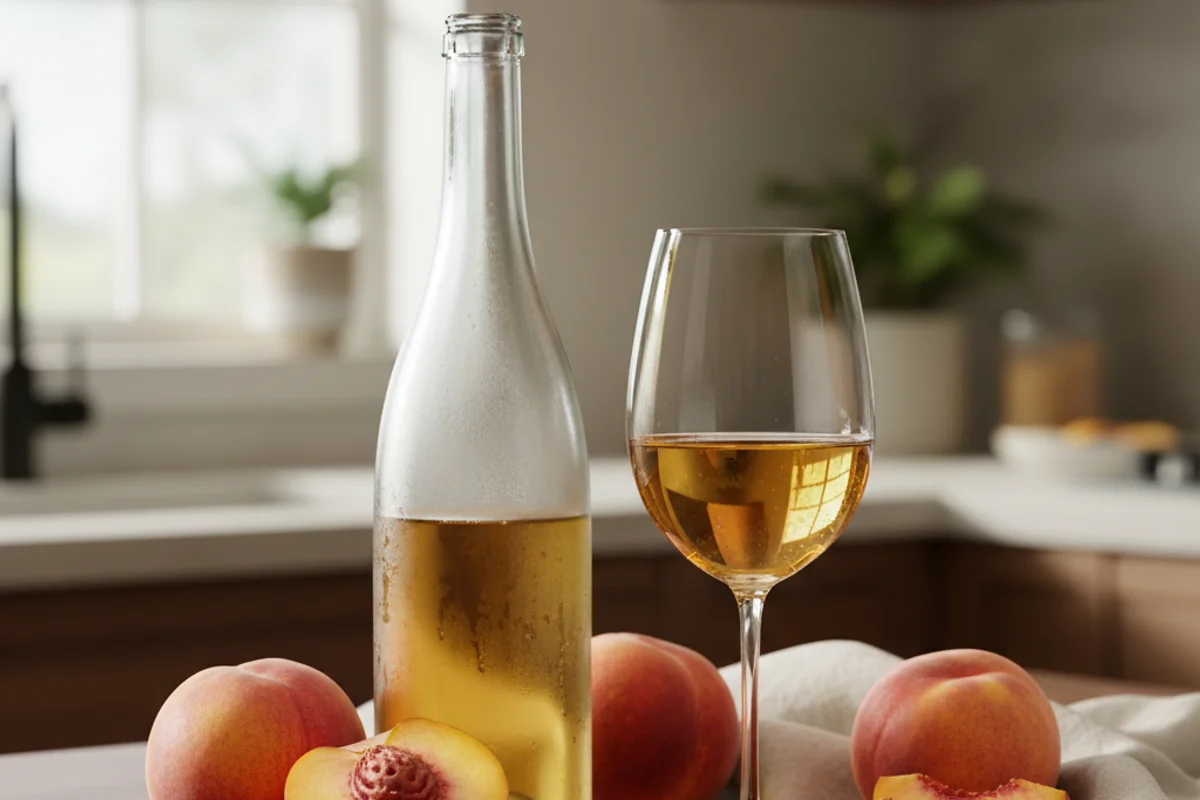
Riesling is the white grape that refuses to be boring. At its best, it walks a tightrope between crisp acidity and honeyed sweetness, throwing off aromas of peach, apricot, slate, and sometimes a whisper of petrol that sounds off-putting until you smell it and immediately understand. It ages longer than almost any other white wine on the planet, and it pairs with more food than a Swiss Army knife. Making it from fresh Johannisberg Riesling grapes — cold-hardy, spicy, and aromatic — is one of the most rewarding projects a home winemaker can take on. This recipe yields 5 U.S. gallons (19 liters).
The beginner trap: Skipping the cold settling step after pressing — that 8-hour rest lets solids drop out of suspension and keeps your finished wine from tasting harsh and muddy.
Ingredients
- 60–75 lbs fresh Johannisberg Riesling grapes (also sold as White Riesling; pick fully ripe, discard any moldy or shriveled fruit)
- ½ tsp pectic enzyme
- 1¼ tsp potassium metabisulfite (aka potassium meta or “K-meta”), divided across additions
- 3–3½ tsp yeast nutrient
- 1 packet Steinberg or Assmannshausen wine yeast (substitute: Lalvin 71B or any dry aromatic white wine yeast)
Method
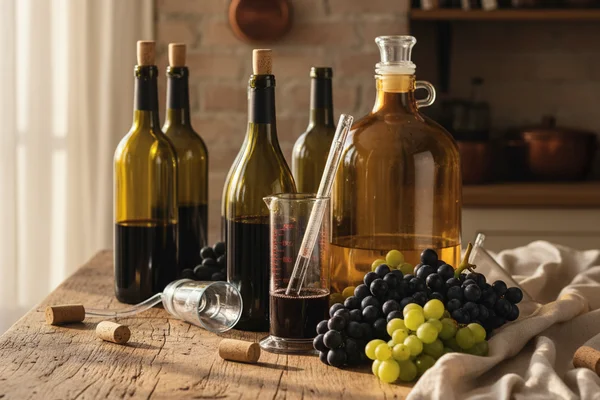
- Sort your grape clusters, pulling out and discarding any damaged or spoiled fruit. Crush and destem the grapes using a crusher-destemmer or by hand.
- Add the pectic enzyme to the crushed grape must and stir thoroughly with a clean paddle. Cover the vessel and let it rest for 2 hours.
- Press the must to extract the juice and transfer the juice to your primary fermentation vessel. Stir in ¼ tsp of potassium metabisulfite, cover, and let the juice settle for 8 hours.
- Check the specific gravity with a hydrometer. Adjust sugar if needed to reach a starting gravity no higher than 1.090, and correct the acidity if it falls outside the target range. Stir in the yeast nutrient.
- Rehydrate your yeast according to the packet instructions to make a starter. Gently pour the activated starter onto the surface of the juice — stir shallowly so the yeast stays near the top. Cover the vessel.
- After 2 hours, stir deeply through the full depth of the must, then cover again and allow fermentation to proceed.
- Ferment in the primary vessel until the specific gravity drops to 1.000. Stabilize the wine, then rack it into a clean secondary vessel (a glass carboy works great). Attach an airlock and move it somewhere cool.
- Rack every 30–45 days until the wine clears, adding ¼ tsp potassium metabisulfite every other racking — plan on at least three racking cycles total.
- If the wine is still hazy after the third racking, fine it with bentonite and give it another month to settle before racking again.
- Sweeten to taste if desired, then bottle. Wait at least 3–6 months before opening your first bottle.
Why this works
Pectic enzyme is your clarity tool. Grapes contain pectin — a structural carbohydrate in cell walls — and when you crush fruit, that pectin goes everywhere and creates a stubborn haze. Pectic enzyme (pectinase) breaks those long pectin chains into smaller pieces that can clump together and fall out of suspension. Adding it before pressing also improves juice yield because it helps break down cell walls more completely. The early sulfite addition (potassium metabisulfite) knocks out wild yeast and bacteria lurking on grape skins, so your chosen yeast strain — selected for the clean, aromatic profile Riesling demands — runs the fermentation without competition from microbes you never invited.
Notes
Johannisberg Riesling grapes are available through local vineyards, U-pick farms, and specialty produce distributors in late September to October in most growing regions. If you can’t source fresh grapes, frozen Riesling juice concentrate from a home winemaking supplier is a workable substitute — follow the concentrate manufacturer’s volume directions and skip the pressing steps. Bentonite is sold at any homebrew or winemaking shop; it’s just a fine clay powder that acts like a magnet for protein particles.