SAUVIGNON BLANC WINE
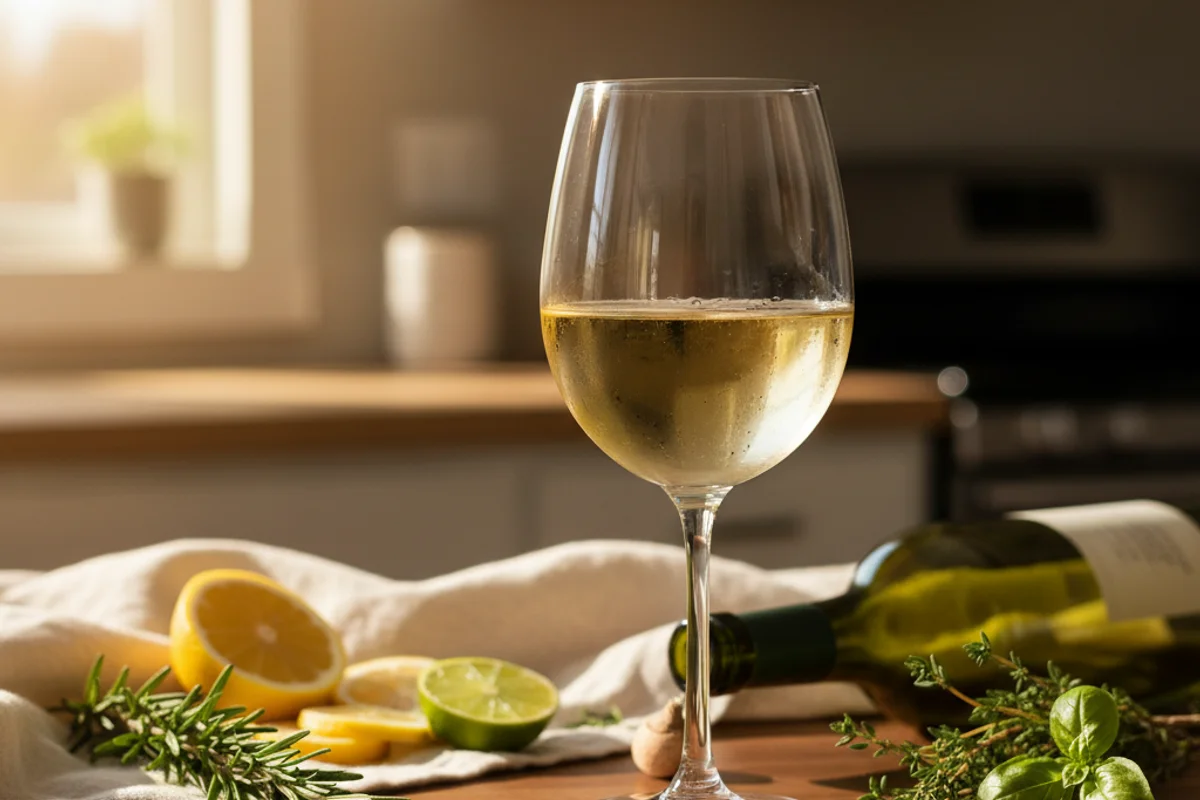
Crack open a bottle of good Sauvignon Blanc and you’ll notice it right away — that sharp, almost electric brightness. Green herbs, fresh citrus, maybe a whisper of cut grass. This grape is a high-wire act: all tension and precision. Making it at home from fresh grapes gives you a front-row seat to how that personality develops, from sticky crushed fruit all the way to something clean and alive in the glass. This recipe makes 5 gallons (19 liters) and rewards patience more than any shortcut you might be tempted to take.
The beginner trap: Skipping the 8-hour settling rest after sulfiting the juice — that step drops out unwanted solids and is the difference between a bright, clean white wine and a murky, off-flavored one.
Ingredients
- 60–75 lbs fresh Sauvignon Blanc wine grapes (crush-ready clusters)
- ½ tsp pectic enzyme
- ¾ tsp potassium metabisulfite (also sold as “pot meta” or Campden powder), divided
- 3–3½ tsp yeast nutrient
- 1 packet Red Star Côtes des Blancs wine yeast (or any dry white wine yeast)
Method
- Sort through your grape clusters and remove any unripe, damaged, or moldy fruit before you crush.
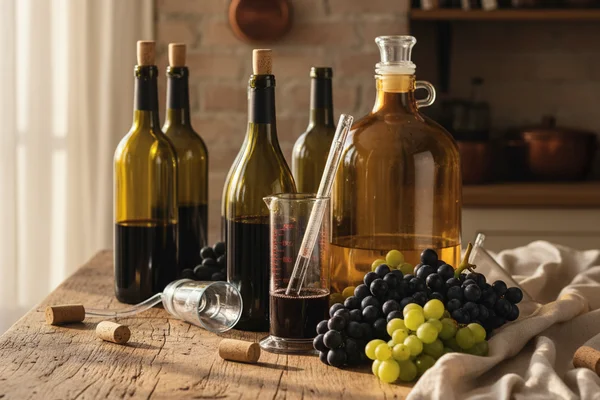
- Crush and destem the grapes using a crusher-destemmer or by hand; transfer the crushed fruit (must) to your primary fermentation vessel.
- Stir ½ tsp pectic enzyme thoroughly into the must with a sanitized paddle, then cover the vessel and let it rest for 2 hours.
- Press the must through a wine press or straining bag to extract the juice; discard the solids (pomace).
- Transfer the juice to a clean primary fermenter, stir in ¼ tsp potassium metabisulfite, cover loosely, and let the juice settle for 8 hours.
- Check and adjust specific gravity (target no higher than 1.090) and total acidity as needed, then stir in the yeast nutrient.
- Rehydrate your yeast per packet instructions to make an active starter, then gently pour it onto the surface of the juice and stir only the top inch or two.
- Cover the primary and let it sit for 12 hours, then stir deeply from the bottom up to redistribute everything; cover again.
- Ferment at cool room temperature (60–65°F / 15–18°C if possible) until the specific gravity reaches 1.000.
- Rack the wine off its sediment into a clean secondary fermenter (carboy), attach an airlock, and move it somewhere cool and dark.
- After 30–45 days, rack again and fine with bentonite according to package directions; allow one more month for the wine to clear.
- Rack a third time and stir in ¼ tsp potassium metabisulfite.
- Cold stabilize the wine for 30 days (a spare refrigerator set to near 32°F / 0°C works well), then rack one final time.
- Age the wine 60 more days in a cool place; if bottling dry, add a final ¼ tsp potassium metabisulfite before bottling, or stabilize and sweeten to taste if you prefer an off-dry style.
- Bottle, cork, and wait at least 3 months before opening your first one.
Why this works
Two steps here do the heavy lifting for a clean white wine. First, pectic enzyme breaks down pectin — a natural plant polymer in grape skins — which otherwise causes permanent haziness in the finished wine. Two hours of contact is enough for it to do its job before pressing. Second, the 8-hour cold settle after adding sulfite lets gravity pull particles, grape fragments, and wild yeast down to the bottom so you pour them off before fermentation even starts. Clean juice going in means fewer off-flavors coming out. The shallow yeast addition at pitching keeps the delicate aromatic compounds in the young yeast colony from getting shocked by sudden immersion, giving fermentation a smoother start.
Notes
Fresh Sauvignon Blanc grapes are typically available through local winemaking shops or direct from vineyards in late summer to early fall — call ahead and ask about “wine grape orders.” Potassium metabisulfite is widely available at homebrew stores; standard Campden tablets (one tablet per gallon equals roughly ¼ tsp powder) are a convenient substitute. If you want a touch of oakiness, add one or two sanitized oak spirals to the secondary fermenter during aging and taste weekly until you hit the level you like.