Thimbleberries
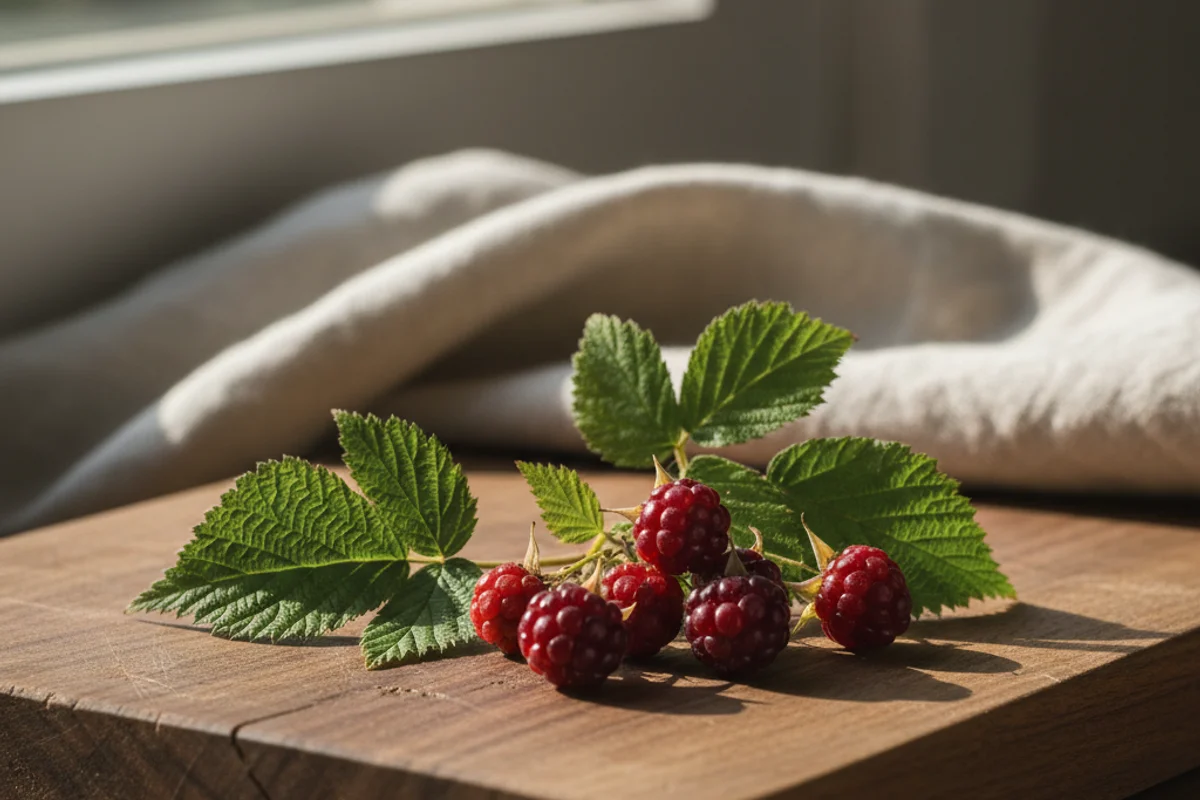
Thimbleberries are wild Rubus cousins to the raspberry — soft, thimble-shaped, and so delicate they practically dissolve in your hand before you can get them to a bucket. Three species grow across North America: a red-to-scarlet type in the East, an orange variety in the West, and a black-fruited kind that people constantly mistake for a blackcap raspberry. All three share the same gentle, almost floral sweetness. That subtlety is exactly what makes them interesting in wine — and exactly what demands your respect during fermentation.
The beginner trap: Using too little fruit produces a thin, nearly flavorless wine — go toward the high end of the fruit range if you want anything worth aging.
Ingredients
- 4–8 lbs thimbleberries, fresh or frozen, washed and destemmed
- 1½–2 lbs granulated white sugar (target SG 1.085–1.090; use a hydrometer)
- ½–1 tsp acid blend (cream of tartar works in a pinch)
- ½–1 tsp pectic enzyme
- ⅛–¼ tsp grape tannin (or 1 cooled cup of strong plain black tea)
- 1 tsp yeast nutrient
- 1 Campden tablet, crushed
- 6½–7¼ pints water, boiling
- 1 packet wine yeast (Lalvin 71B or EC-1118)
Method
- Crush the berries in your primary fermenter — a food-safe bucket works fine. Scale your acid blend, pectic enzyme, tannin, and water to match your fruit quantity: more fruit means less water and adjuncts, less fruit means more.
- Add the sugar, acid blend, tannin, yeast nutrient, and crushed Campden tablet to the crushed fruit. Pour the boiling water over everything and stir until the sugar fully dissolves.
- Cover the bucket tightly with plastic wrap and let it cool to 70–75°F. This takes a few hours — don’t rush it, and don’t add yeast to hot must.
- Once cooled, add the pectic enzyme, re-cover, and wait 12 hours. Then sprinkle in the yeast, recover, and stir the must once daily for 5–6 days.
- Strain the pulp through a mesh bag or cheesecloth, pressing firmly to pull out all the juice. Transfer the liquid to a sanitized secondary fermenter (a one-gallon glass jug or carboy).
- Top up to reduce headspace, fit an airlock, and move the vessel to a dark spot at 60–65°F. Fermentation will slow noticeably within a week or two.
- Rack off the sediment at 3 weeks, then again at 3 months, then once more 3 months after that. At the final rack, stabilize with potassium sorbate and potassium metabisulfite, then sweeten to taste if desired.
- Wait at least 1 month after stabilizing before bottling. Store bottles in a dark place and age 3–6 months minimum before opening — longer is better.
Why this works
Thimbleberries are high in natural pectin, which is great for jam but bad for wine — it leaves a permanent hazy cloud in your finished bottle. Pectic enzyme breaks down those long pectin chains into smaller sugars and shorter polymers that yeast can process or that simply drop out of suspension during racking. That’s why you add pectic enzyme after the boiling water has cooled: heat destroys the enzyme on contact. The Campden tablet at the start knocks back wild yeast and bacteria for about 12 hours, giving your chosen wine yeast a clean runway when you pitch it the next day. Tannin adds just enough structure to keep the wine from tasting flat, since thimbleberries have very little on their own.
Notes
Frozen thimbleberries work well here — the freeze-thaw cycle breaks down cell walls and actually improves juice extraction. If you can only find them fresh at a farmers market, freeze them overnight before crushing. Lalvin 71B yeast is a particularly good match for delicate berry wines because it softens harsh acids during fermentation, preserving the fruit’s gentle character.