VANILLA WINE
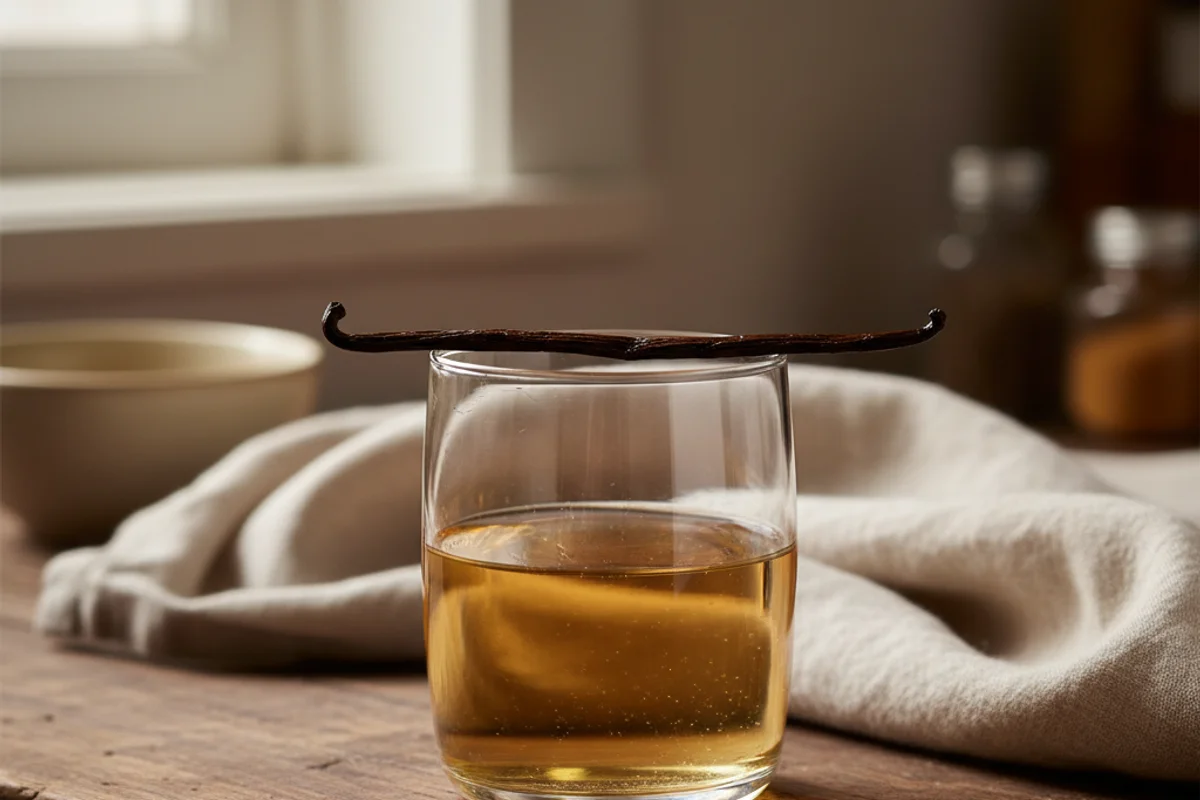
Vanilla is one of the most universally loved flavors on the planet, yet almost no one thinks to ferment it. When you split a vanilla bean and drop it into a fermenter with white grape juice, something genuinely interesting happens — the alcohol pulls out aromatic compounds that a simple extract never quite captures. The result is a pale, fragrant wine with a warm, floral backbone and that unmistakable creamy depth. It’s subtle, it’s a little unexpected, and it’s a lot easier to make than it sounds.
The beginner trap: Skipping the hydrometer check — frozen concentrate varies in natural sugar content batch to batch, so adding the full sugar amount without measuring first can push your wine too high in alcohol or leave it unbalanced.
Ingredients
- 2 cans (11.5 oz each) Welch’s 100% white grape juice frozen concentrate
- 1¼ lbs (about 2¾ cups) granulated white sugar
- 4 vanilla beans, 6–9 inches long (found in the baking aisle or bulk spice section)
- 2 tsp acid blend (available at homebrew shops; substitute 1½ tsp citric acid from the grocery store)
- 1 tsp pectic enzyme
- 1 tsp yeast nutrient
- Water to make 1 gallon total
- 1 packet wine yeast (Lalvin 71B or EC-1118 work well)
Method
- Bring 1 quart of water to a boil and dissolve the sugar completely. Remove from heat.
- Stir in the frozen concentrate, then add enough cool water to bring the total volume to 1 gallon. Pour into your sanitized fermentation vessel.
- Split the vanilla beans lengthwise with a knife to expose the seeds, then add them to the must along with the acid blend, pectic enzyme, and yeast nutrient. Do not add yeast yet.
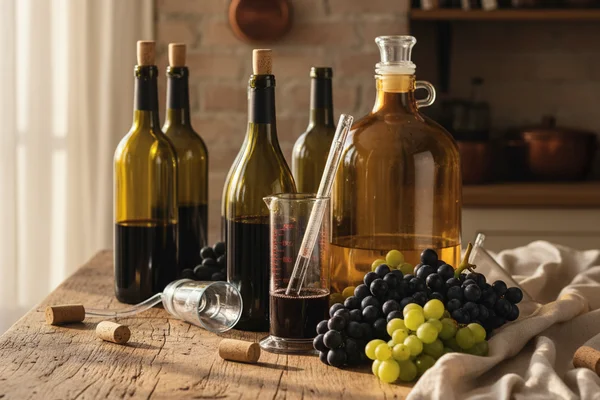
- Check the specific gravity with a hydrometer — you’re targeting 1.085–1.095. Adjust sugar up or down as needed.
- Cover the vessel loosely with a clean cloth or paper towel secured with a rubber band and let it sit for 12 hours.
- Activate your yeast according to the packet directions, add it to the must, and re-cover with the cloth.
- Fermentation will pick up within 24–48 hours. After about 5 days, when bubbling slows noticeably, swap the cloth for an airlock.
- After 30 days, rack the wine into a sanitized secondary vessel. Taste it — if the vanilla flavor is strong enough, pull the beans out and discard them. If you want more intensity, move the beans to the new vessel.
- Wait another 30 days and rack again, topping up to minimize headspace and refitting the airlock.
- After one final 30-day rest, stabilize the wine (potassium sorbate plus a Campden tablet), sweeten to taste if desired, then rack into bottles.
Why this works
Vanilla beans are packed with vanillin and hundreds of other aromatic compounds held inside the bean’s cell walls. Alcohol — even the modest 10–12% produced during fermentation — is a far more efficient solvent for these compounds than water alone. That’s why homemade vanilla extract uses vodka, and it’s exactly what’s happening here on a larger, more complex scale. Fermentation also produces trace esters and aldehydes that interact with vanillin to create a rounder, more layered aroma than you’d get from simply stirring extract into juice. Splitting the beans is non-negotiable: it dramatically increases the surface area exposed to the must and cuts extraction time down from months to weeks.
Notes
If whole vanilla beans feel expensive or hard to find locally, look for them in the baking aisle of larger grocery stores or warehouse clubs, where they’re often sold cheaper in multi-packs. Avoid imitation vanilla extract as a substitute — it won’t ferment the same way and will likely taste harsh. This wine benefits from a little residual sweetness at bottling, so don’t skip the taste test in step 10.