WHEAT WINES
Imagine cracking open a bottle of something you made from grain, raisins, and citrus — and finding a smooth, whiskey-like sipper staring back at you. That’s the surprise waiting inside a well-aged wheat wine. Fresh out of fermentation it tastes rough and underwhelming. Give it two years in a dark corner, and something almost alchemical happens. The grain character mellows, the sweetness integrates, and you end up with a drink that punches well above its humble ingredient list. Patience isn’t just a virtue here — it’s the whole recipe.
The beginner trap: Tasting this wine too early and dumping it — wheat wine needs a full one to two years of bottle aging before its bourbon-like character develops.
Ingredients
(Makes approximately 1 gallon)
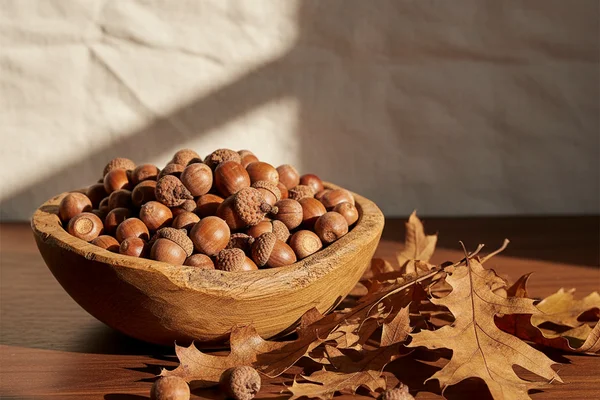
- 1 pint (about 2 cups) whole wheat berries
- 2 lbs golden raisins
- 3 sweet oranges
- 1 lemon
- 1¼ lbs demerara sugar (dark brown sugar works as a substitute)
- 7½ pints water (about 15 cups)
- 1 Campden tablet, crushed
- ½ tsp yeast nutrient
- 1 packet wine yeast (Champagne or Pasteur yeast recommended)
Method
- Run the wheat berries and raisins through a food grinder or pulse them in a food processor until cracked and broken down.
- Bring the water to a boil, then combine it with the cracked wheat, raisins, and sugar in your primary fermenter. Stir until the sugar fully dissolves.
- Use a vegetable peeler to remove only the colored zest from the oranges and lemon, avoiding the white pith underneath. Juice all the fruit and set both the zest and juice aside.
- Once the must cools to lukewarm (around 70–75°F), stir in the citrus zest, citrus juice, crushed Campden tablet, and yeast nutrient.
- Cover the fermenter with a cloth and let it sit undisturbed for 24 hours.
- Activate your yeast according to the packet instructions, add it to the must, and re-cover the fermenter.
- Stir the must once daily for 3 weeks, then pour it through a nylon straining bag into a clean vessel and let it drip drain overnight. Do not squeeze the bag.
- Discard the solids and let the liquid continue fermenting for another 3 weeks in the primary.
- Rack into a clean secondary fermenter (glass jug or carboy) and fit an airlock. Leave it for 2 months.
- Rack again into a sanitized secondary, top up to minimize headspace, and refit the airlock. Repeat this racking process twice more at 2-month intervals.
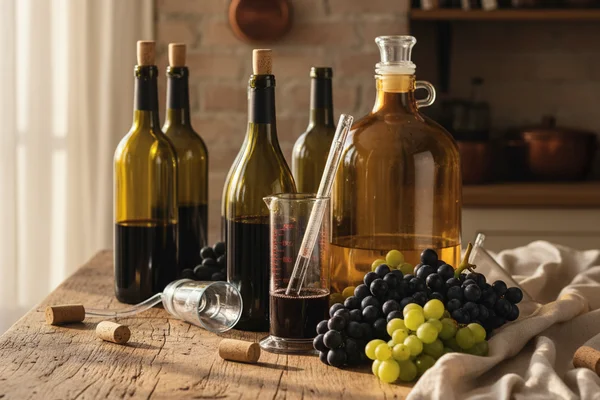
- After the third 2-month rest, rack into bottles and store them in a dark, cool place. Do not open a bottle for at least one year — two is better.
Why this works
Wheat berries are loaded with starches and proteins that slowly break down during fermentation and aging. Unlike fruit wines, which hit their peak flavor relatively fast, grain-based wines undergo slow chemical changes in the bottle. Esters — the compounds responsible for fruity and sometimes caramel-like aromas — continue forming long after fermentation ends. Tannins from the raisins and grain soften over time, and small amounts of higher alcohols mellow into smoother-tasting compounds. The result is a flavor profile that genuinely resembles aged spirits. The raisins contribute both fermentable sugar and a subtle dried-fruit backbone, while the citrus zest adds brightness that keeps the finished wine from tasting flat or heavy.
Notes
Demerara sugar is sold at most grocery stores near the specialty baking items; if you can’t find it, dark brown sugar is a reasonable stand-in and will add a similar molasses note. A nylon straining bag (also called a brew bag) is available at any homebrew shop or online for a few dollars — a clean pillowcase in a pinch will also work. If the wine looks cloudy after several months, give it more time before racking rather than filtering, as filtering can strip flavor from a grain wine.