winemaking: hackberry wine
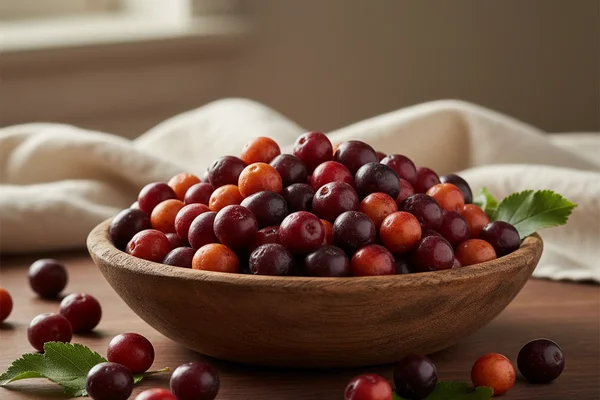
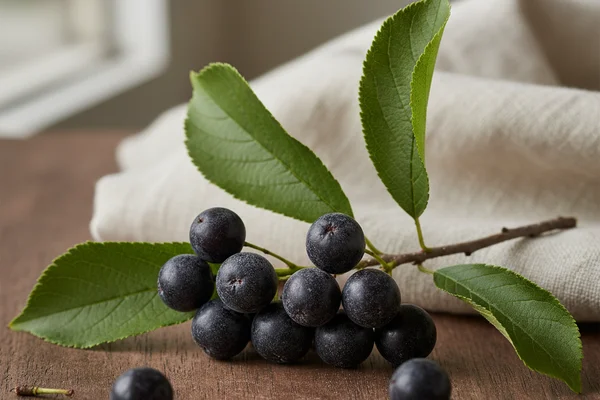
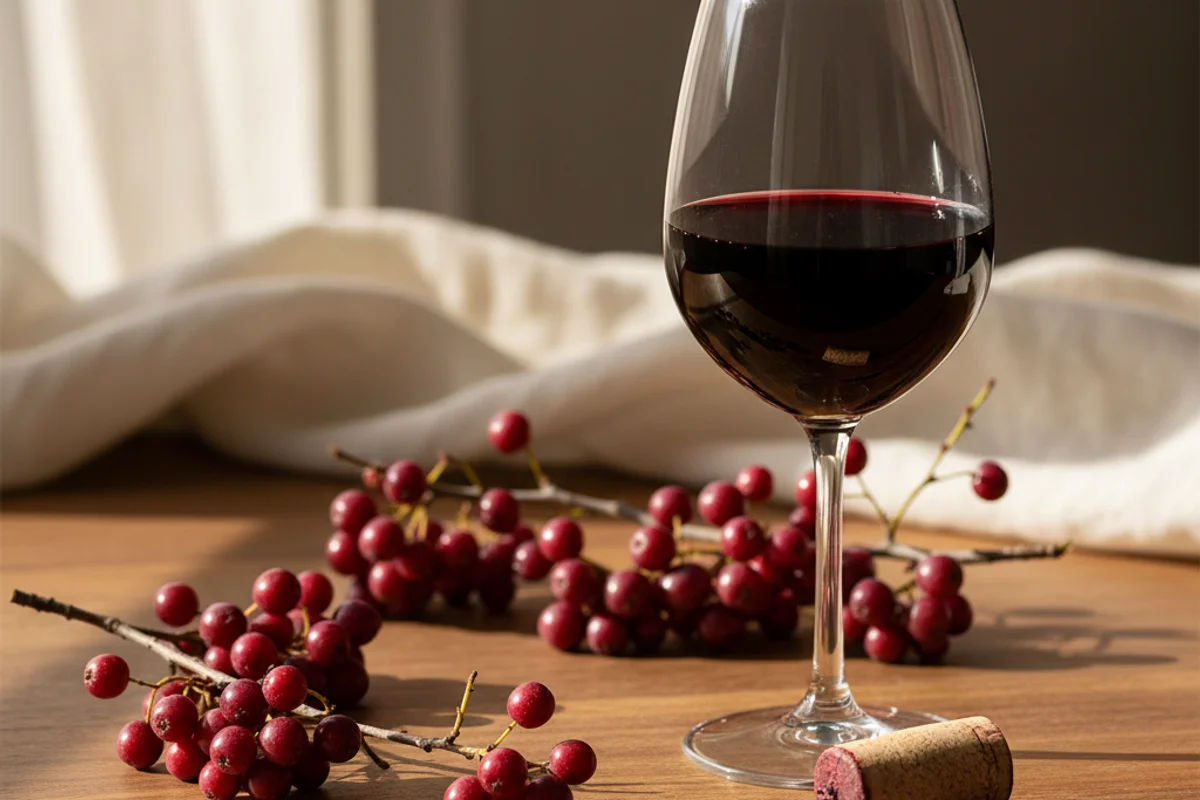
Hackberries are the wild card of the fruit wine world. These small, date-like berries grow on trees across most of North America, and in a good wet year they pack a surprising sweetness into their thin flesh. The flavor lands somewhere between a mild cherry and a dried fig — earthy, soft, and just a little exotic. Because each berry is mostly seed, you need a lot of them, but the wine they produce is genuinely worth the foraging effort. Serve it slightly chilled with a touch of residual sweetness and it will confuse and delight anyone who asks what they’re drinking.
The beginner trap: Picking hackberries in a dry year — if the berries are hard and tasteless off the tree, no amount of sugar or additives will save the wine.
Ingredients
- 2 lbs ripe hackberries, fresh or frozen
- 11 oz frozen white grape juice concentrate (Welch’s 100% white grape works perfectly)
- 1¾ lbs granulated white sugar, divided
- 6¼ pts (about 3 quarts + 1 cup) water
- 1½ tsp acid blend (found at homebrew shops; substitute 1 tsp lemon juice per tsp in a pinch)
- ½ tsp pectic enzyme
- ¼ tsp grape tannin (or the contents of 1 plain black tea bag, steeped and cooled)
- 1 Campden tablet, crushed
- 1 tsp yeast nutrient
- 1 packet Champagne yeast (Red Star or Lalvin EC-1118 are easy to find)
Method
- Taste a few berries before you commit — they should be sweet and slightly soft. Hard, dry berries mean skip this batch entirely.
- Bring the water to a boil and dissolve half the sugar in it completely.
- Wash the berries and remove any that look shriveled, moldy, or green. Pour them into your primary fermenter and crush them thoroughly using a clean, sanitized tool — a potato masher works fine.
- Pour the hot sugar water over the crushed berries and stir frequently as it cools down to around 70°F.
- Once cooled, stir in the grape juice concentrate, acid blend, grape tannin, crushed Campden tablet, and yeast nutrient. Cover the fermenter loosely and wait 6–8 hours.
- Add the pectic enzyme, re-cover, and wait another 6–8 hours.
- Sprinkle in the yeast, cover the fermenter with a clean cloth or loose plastic sheet, and stir the must once daily for 6–9 days until the vigorous bubbling slows down.
- Strain out the solids, add the remaining sugar, and stir well until fully dissolved. Re-cover and let it sit 3 more days.
- Siphon the wine into your secondary fermenter (a glass carboy or 1-gallon jug). Do not top it up yet — leave the headspace and fit an airlock.
- Once the wine goes completely still, top it up to reduce headspace, then refit the airlock.
- Rack (siphon off the sediment) every 30 days for at least two racking sessions, topping up and refitting the airlock each time, until the wine runs clear.
- After the wine clears, let it sit two more months in the secondary, then rack one final time.
- Stabilize with a fresh Campden tablet and ½ tsp potassium sorbate, sweeten lightly to taste if desired, then bottle. Age at least 6 months before opening — a full year is better.
Why this works
Hackberries are low in natural tannin and acid, which is exactly why this recipe adds both. Tannin gives the wine structure and helps it clarify over time; without it, the wine can taste flat and age poorly. The white grape concentrate fills in body and a mild grape backbone without overpowering the hackberry character. Pectic enzyme is added deliberately late — after a cold-side rest — because heat and an active Campden environment can destroy it. Letting it work at room temperature for several hours before the yeast goes in means it can break down the fruit’s pectin properly, which prevents a permanent cloudy haze in the finished wine.
Notes
Frozen hackberries work well here and may actually release more juice than fresh ones, since freezing breaks down cell walls. If you can’t find acid blend at a homebrew shop, citric acid (sold as “sour salt” in many grocery stores) is a reasonable substitute. If the finished wine tastes too sharp after aging, a small addition of sugar at bottling rounds it out nicely — start with just ¼ tsp per bottle and adjust from there.