winemaking: prickly pear cactus wine
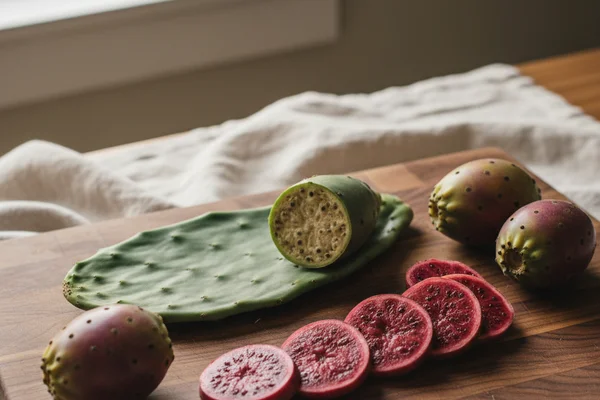
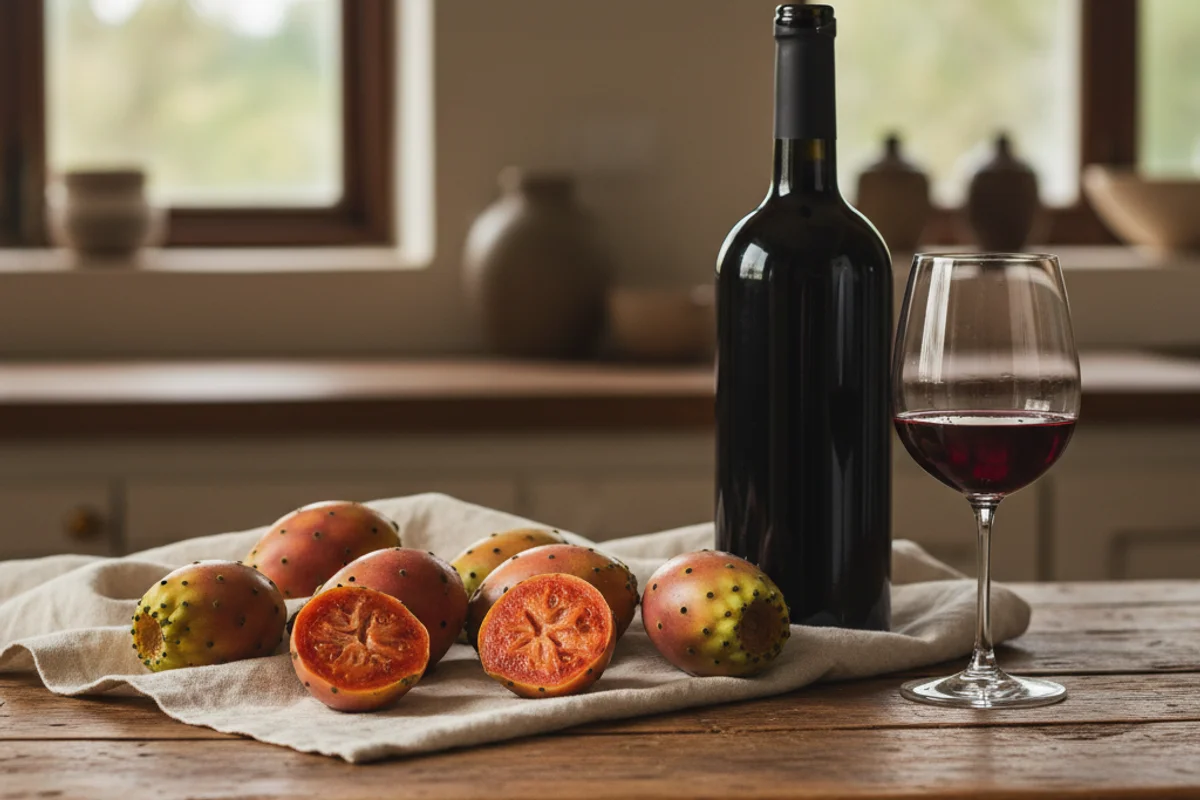
Crack open a bottle of prickly pear wine and the first thing you notice is the color — deep magenta, almost electric. Then the smell hits: something close to watermelon crossed with berry, faintly floral. This is desert fruit doing something it was never supposed to do, which is exactly what makes it interesting. The prickly pear (Opuntia species) grows across the American Southwest and produces fist-sized red-purple fruit every fall. Getting to that fruit takes some patience and a healthy respect for its tiny, almost invisible spines — but the wine on the other side is worth the careful handling.
The beginner trap: Skipping the blanching step and trying to peel the fruit cold — those fine spines are nearly invisible and will embed in your fingers before you know it.
Ingredients
- 5–6 lb. prickly pear fruit, fresh or frozen (see Notes)
- 2½ lb. granulated white sugar
- 1 tsp. acid blend (available at homebrew shops; or substitute 1 tsp. citric acid)
- 1½ gallons water, divided
- 1 packet wine yeast (Lalvin EC-1118 or any general-purpose wine yeast)
- 1 tsp. yeast nutrient
Method
- Place the fruit in a large pot or bucket. Pour 1 gallon of boiling water over it, wait 2 minutes, then drain completely.
- Let the fruit cool until safe to handle, then carefully peel off the skins — use gloves if you have them, and watch for tiny spines.
- Cut the peeled fruit into pieces no larger than 1 inch. Add ½ gallon of fresh water, bring to a boil, then reduce heat and hold at a gentle boil for 15 minutes.
- Remove from heat, cover the pot, and let everything cool to lukewarm (around 70–75°F).
- Pour the fruit and liquid through a fine-mesh nylon straining bag or cheesecloth into your primary fermentation vessel; squeeze out as much juice as possible and discard the pulp.
- Stir in the sugar, acid blend, yeast nutrient, and yeast until the sugar fully dissolves.
- Cover the vessel loosely but securely and move it to a warm spot (68–75°F). Stir once daily for 7 days.
- After 7 days, siphon the wine off the sediment (lees) into a clean secondary fermentation vessel, top up with water to minimize headspace, and fit an airlock.
- Let it sit undisturbed for 3 weeks, then rack again into a clean vessel and top up.
- Rack one more time after 2 months. Once the wine runs clear, rack a final time if needed, then bottle.
- Wait at least 1 year before opening your first bottle — this wine improves noticeably with age.
Why this works
Prickly pear fruit is low in natural acid, which is why the acid blend matters here — yeast need a slightly acidic environment (roughly pH 3.2–3.5) to work efficiently and to keep spoilage bacteria from moving in. The boiling step does double duty: it breaks down cell walls to release more of that vivid pigment (betacyanin, the same pigment family that makes beets red) and it softens the fruit so you extract maximum juice. The long, slow secondary fermentation lets the wine drop its solids gradually, producing a clearer, cleaner final product without filtration. Patience during aging lets harsh fusel alcohols mellow and lets the delicate watermelon-berry aromatics settle into something genuinely elegant.
Notes
Frozen prickly pear fruit works well and is increasingly available at Latin grocery stores and online; freezing actually helps by rupturing cell walls, which boosts juice yield — skip the blanching step if using frozen fruit, as it’s already been processed. If you can’t source prickly pear at all, a blend of watermelon and raspberry (roughly 4 lb. combined) produces a wine in a similar flavor neighborhood. Allergy note: A small percentage of people react to compounds in pigmented Opuntia fruit — if you have known sensitivities to cactus plants, consult a doctor before consuming this wine.