Cactus
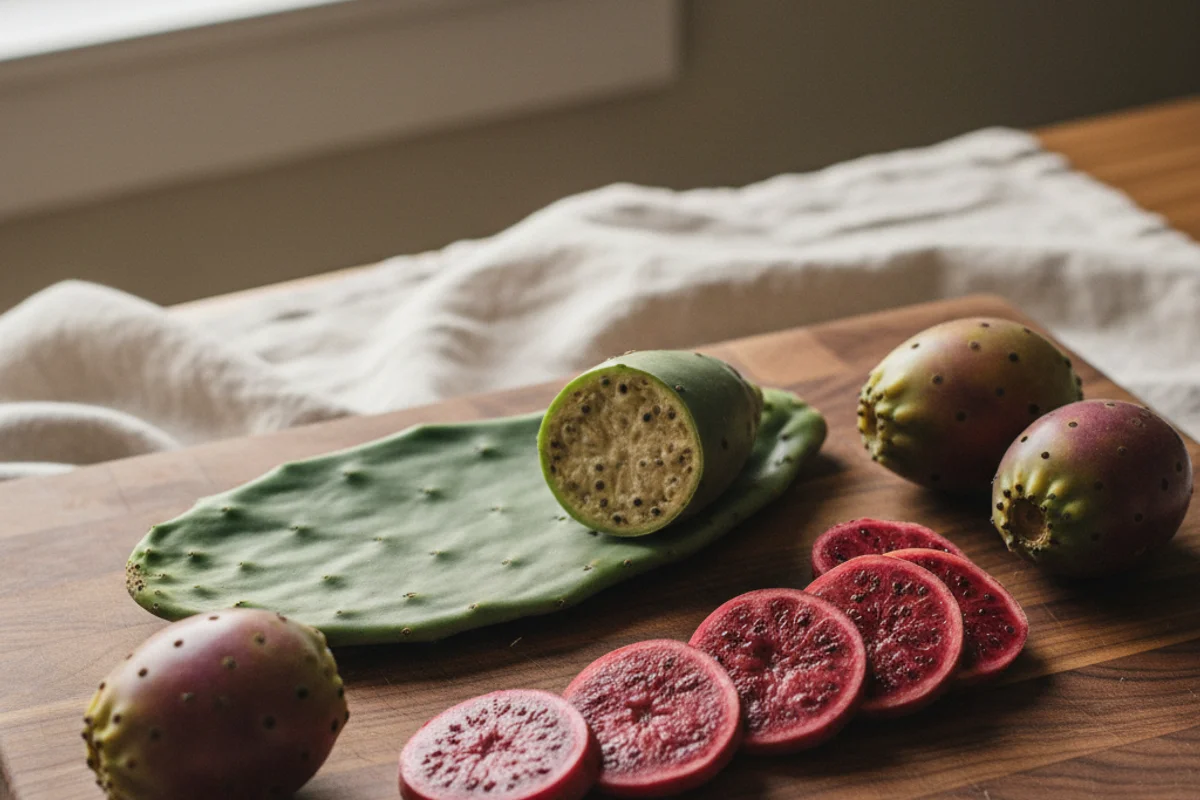
Spring in the American Southwest means prickly pear cactus pads exploding into bloom — yellow, orange, and red flowers that look too beautiful to be growing off something that will absolutely stab you. Those blooms carry a delicate, lightly floral character that ferments into a crisp, pale white wine. Don’t expect color in the glass; the pigment drops out during fermentation and settles into the lees. What’s left is clean, refreshing, and genuinely surprising — the kind of wine that makes people ask what they’re tasting before you tell them.
The beginner trap: Harvesting cactus flowers without a long-bladed knife puts your hand inches from the spines — use at least a 10-inch blade and check each bloom for bees before you cut.
Ingredients
- 2½ quarts cactus flowers, firmly packed (prickly pear or any abundant cactus flower)
- 2 lbs granulated sugar
- 1 can (11 oz) frozen 100% white grape juice concentrate
- 1¾ tsp acid blend
- ⅛ tsp grape tannin (or one cup strong, cooled plain black tea)
- 6¼ pints water, divided
- 1 Campden tablet, crushed
- 1 tsp yeast nutrient
- 1 packet Champagne wine yeast
Method
- Rinse the flowers thoroughly, then load them into a nylon straining bag along with a dozen clean marbles to weigh it down. Tie the bag closed and set it in your primary fermenter.
- Heat 1 quart of water in a saucepan and stir in the sugar until fully dissolved. Remove from heat.
- Add the frozen grape juice concentrate and the remaining water to cool the sugar syrup, then pour the whole mixture over the flower bag in the primary.
- Stir in the acid blend, grape tannin, crushed Campden tablet, and yeast nutrient. Cover the fermenter and let it rest for 10–12 hours.
- Activate your yeast according to the packet instructions, then add it to the must. Cover and stir the must daily.
- When the specific gravity reaches 1.020, lift the bag and let it drip-drain completely — do not squeeze. Transfer the wine to a glass secondary fermenter and attach an airlock.
- Rack after 45 days, then rack again 45 days after that, topping up and reseating the airlock each time.
- Once the wine has fully cleared, wait another 60 days, then rack one final time and top up. Expect pollen to keep settling for a month or two after fermentation ends — that’s normal.
- Bulk age for 90–120 more days. Stabilize, sweeten to taste if desired, then bottle. Wait at least 6 months before opening.
Why this works
Cactus flowers are loaded with pollen, and pollen is mostly protein and starch — neither of which you want suspended in a finished wine. The good news is that proteins tend to flocculate (clump and fall) naturally once fermentation ends and the liquid cools and stabilizes. That’s why this wine needs multiple rackings spread over several months rather than a quick turnaround. The frozen white grape juice concentrate pulls double duty: it adds fermentable sugar and a backbone of fruit acid and flavor that supports the delicate floral character without overpowering it. Champagne yeast thrives in lower-nutrient environments and ferments clean, which keeps those subtle floral aromatics front and center rather than buried under off-flavors.
Notes
Any abundant cactus flower will work in place of prickly pear; the key is having enough volume to pack 2½ quarts firmly. Grape tannin can be swapped for one cup of cooled, unsweetened black tea. Serve this wine well-chilled — cold temperatures sharpen the floral notes and make the wine feel more lively in the glass.