BROOM WINE (2) [Medium]
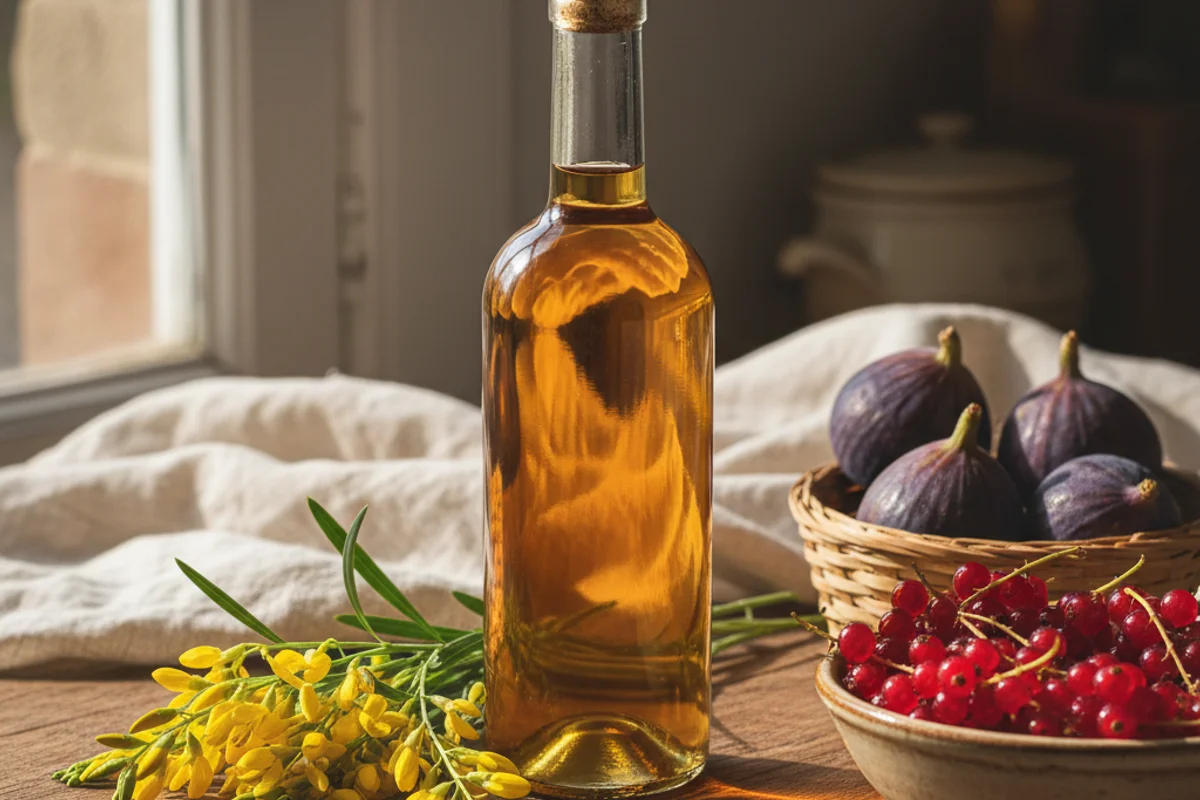
Scotch broom (Cytisus scoparius) blooms in dense, electric-yellow clusters that smell faintly sweet and herbaceous — somewhere between fresh hay and a hint of vanilla. When fermented with citrus peel and juice, those flowers produce a pale, delicate country wine with a dry, floral backbone and a clean citrus finish. Think of it as springtime in a bottle: light, slightly wild, and nothing like anything you’ll find on a grocery store shelf.
The beginner trap: Adding the flowers while the sugar water is still hot will cook off the delicate aromatics and leave you with a flat, lifeless wine — patience here is everything.
Ingredients
- 1 gallon broom flower heads (fresh, fully open blooms only — no stems or leaves)
- 2½ lb. granulated white sugar
- 2 oranges (zest and juice)
- 1 lemon (zest and juice)
- 1 tsp. yeast nutrient
- 1 gallon water
- 1 packet wine yeast (Lalvin 71B or EC-1118 work well)
Method
- Bring 6 pints of the water to a boil and stir in the sugar until fully dissolved. Remove from heat.
- Peel the oranges and lemon, avoiding all white pith, and place the peels into a large ceramic or food-safe plastic crock.
- Pour the hot sugar water over the peels and let the whole thing cool completely to 70°F — this is non-negotiable, so use a thermometer.
- Once cooled, add the broom flower heads, the orange and lemon juice, yeast nutrient, and yeast. Stir to combine.
- Cover the crock with a clean cloth and set it somewhere warm. Stir once daily for seven days.
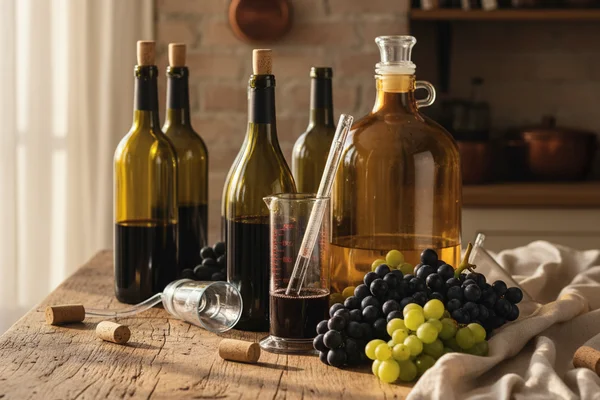
- Strain the liquid through a fine-mesh strainer or cheesecloth into a 1-gallon glass fermentation jug, pressing gently on the solids.
- Top up with water to the base of the jug’s neck, fit an airlock, and move to a warm spot for three months.
- Rack (siphon) off the sediment into a clean jug and leave for another three months.
- Rack one final time, then bottle. Wait at least six months total before tasting.
Why this works
Broom flowers carry volatile aromatic compounds that break down quickly above around 100°F — that’s why you let the sugar water cool before adding them. The citrus peel does double duty: its oils add complexity during the primary ferment, and its natural acids help drop the must pH into a range where yeast thrive and spoilage organisms struggle. The two long secondary rest periods aren’t just tradition — they let the yeast slowly drop out of suspension, proteins bind and settle, and the raw harshness of young wine mellow into something smooth and balanced. Rushing that timeline shows up in the glass as a sharp, rough finish.
Notes
Scotch broom is invasive in many parts of the American West — harvesting it there is actively encouraged, but always confirm local regulations before picking. If you can’t find broom flowers at all, elderflowers make a structurally similar substitute and are far easier to source. Make sure you’re working with Cytisus scoparius and not Spanish broom (Spartium junceum), which has different chemistry and isn’t recommended for winemaking.