BURNET FLOWER WINE
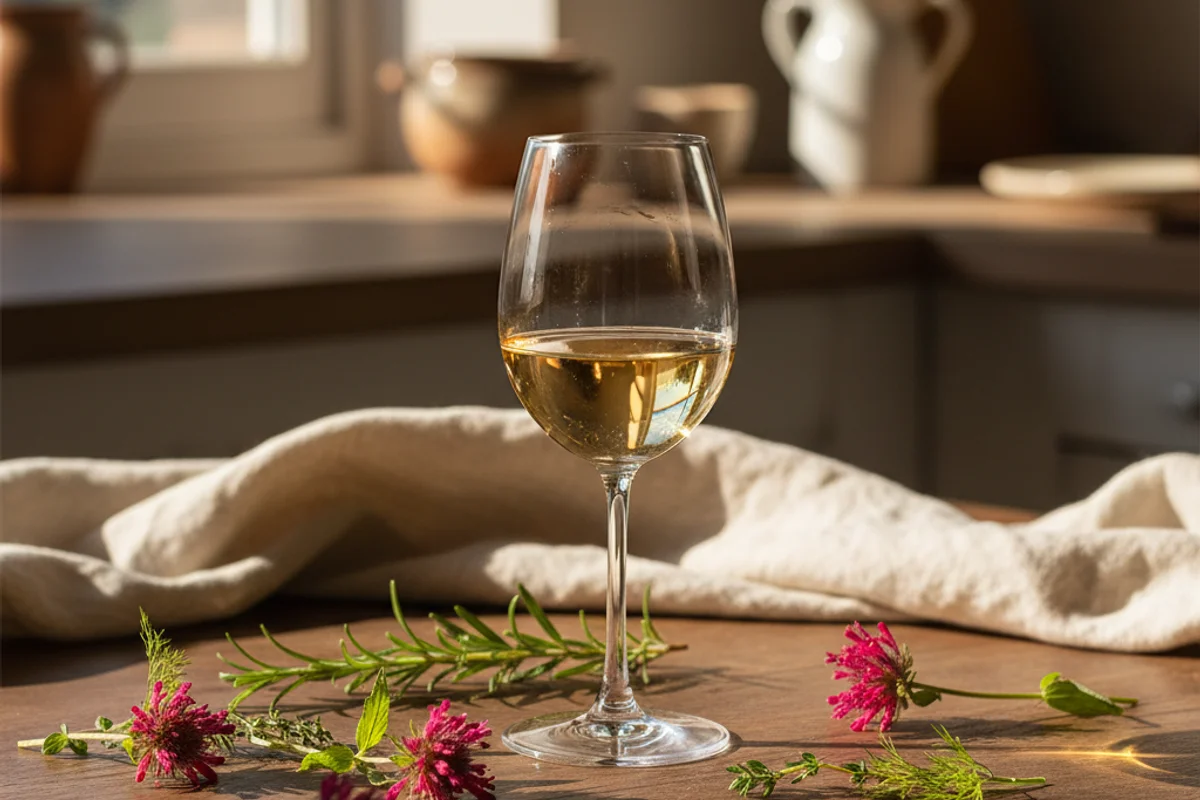
Burnet is a rose-family plant that most people walk right past without a second glance. Its flower heads carry a faint, cucumber-like freshness that translates into something surprisingly delicate in the glass — a pale, almost ethereal white wine with herbal undertones and bright citrus lift. Think of it as a garden wine in the truest sense: quiet, a little unusual, and genuinely rewarding if you give it time. Cultivated flowers will give you the cleanest flavor, but the real magic here is in the technique — hot water extraction, citrus zest, and a grape concentrate backbone that keeps the whole thing from tasting like perfume.
The beginner trap: Leaving any green stem material in with the flower heads will push bitter, grassy flavors into the wine that no amount of aging will fix — use flower heads only.
Ingredients
- 3 quarts burnet flower heads, destemmed and washed
- 1¾ lbs granulated white sugar
- 1 can (12 oz) Welch’s 100% White Grape Juice frozen concentrate
- 2 lemons, zested and juiced
- 1 orange, zested and juiced
- ¼ tsp grape tannin (or 1 cup strongly brewed plain black tea, cooled)
- 6½ pints water, divided
- 1 tsp yeast nutrient
- 1 packet general-purpose wine yeast
Method
- Place washed, destemmed flower heads and all citrus zest into your primary fermenter. Store the citrus juice in the fridge for now.
- Bring half a gallon of water to a boil, pour it over the flowers and zest, and stir well. Cover and let it steep for two days at room temperature.
- On day two, prepare a yeast starter according to the packet instructions. In a separate pot, bring the remaining water to a boil, dissolve the sugar completely, and set it aside to cool to lukewarm.
- Strain out and discard the flowers and zest. Combine the flower-infused water with the cooled sugar water in the primary fermenter.
- Add the grape concentrate, reserved citrus juice, grape tannin, and yeast nutrient. Stir thoroughly.
- Add the yeast starter, cover the fermenter with a sanitized cloth, and move it to a warm spot to ferment.
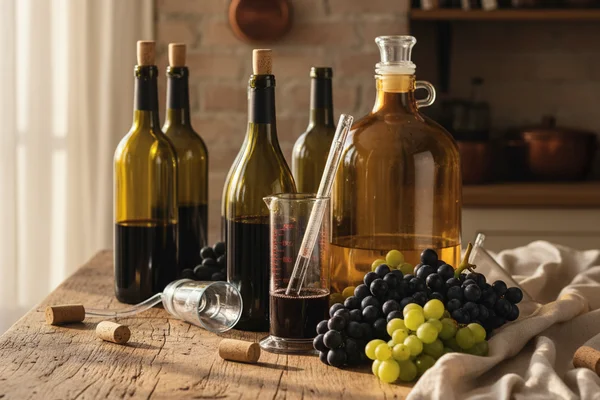
- After 7–10 days, when active bubbling slows down, check the specific gravity. If it reads 1.010 or below, transfer the wine to a glass secondary fermenter and seal it with an airlock.
- If the wine hasn’t cleared after 30 days, add 1 tsp pectic enzyme, rack into a clean secondary, reattach the airlock, and wait another 30 days.
- Rack again into a clean vessel, then stir in one crushed and dissolved Campden tablet and ½ tsp potassium sorbate. Wait 10 days, then sweeten to taste.
- Let the wine rest another 30 days, then rack into bottles and age for at least 6 months before opening.
Why this works
Burnet flowers are delicate — their aromatic compounds are water-soluble but fragile, so a hot-water steep pulls flavor without cooking it away the way a rolling boil would. Two days of contact time gives the water a chance to draw out the full range of aromatics from both the petals and the zest. The frozen white grape concentrate does double duty: it adds fermentable sugar and brings natural grape acids and a light body that flower wines desperately need. Without it, you’d have something thin and one-dimensional. The pectic enzyme step at the end breaks down plant-based pectin that causes persistent haziness — flowers, citrus, and their zests are all high in pectin, so don’t skip it if your wine stays cloudy.
Notes
Grape tannin can be hard to find locally — a half-cup of strong, plain black tea (no flavoring) is a reliable grocery-store swap. If you’re foraging wild burnet, be absolutely certain of your identification before using it; when in doubt, leave it out and use cultivated flowers from a garden center instead.