Dandelion and Watermelon Wine
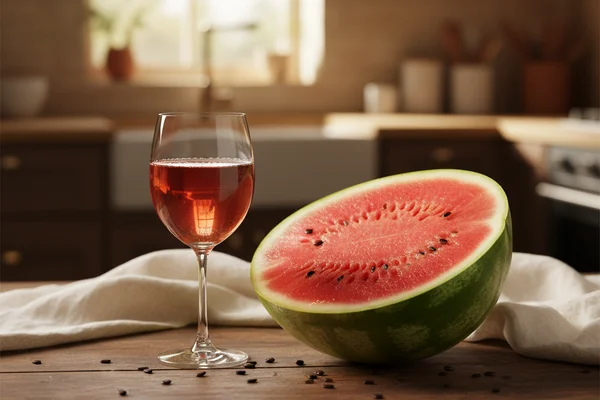
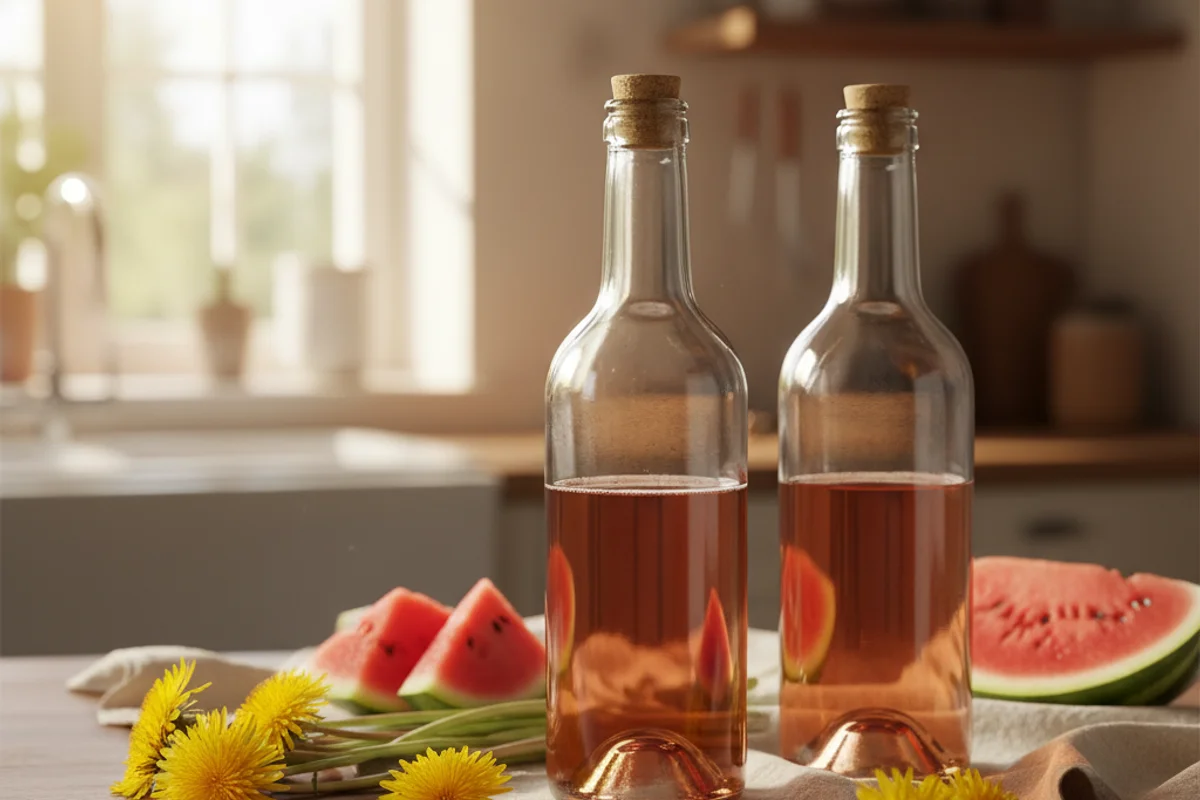
Dandelions are the lawn’s most underrated ingredient, and watermelon is basically summer in solid form. Together, they make a wine that is light, floral, and quietly refreshing — the kind of thing you open on a warm evening and wonder why you don’t see it on store shelves. The dandelion contributes a honey-like, slightly grassy depth, while the watermelon keeps everything bright and juicy. This is a dry wine with real elegance, and patience is the main ingredient the recipe doesn’t list.
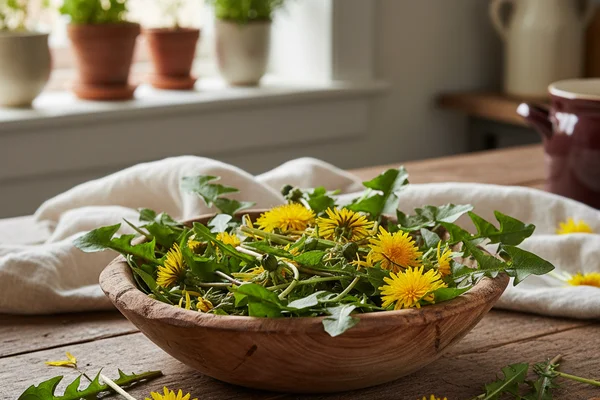
The beginner trap: Picking dandelion petals sounds simple until you realize the green parts — the sepals and base — add serious bitterness; use only the yellow petals.
Ingredients
- 3 cups dandelion petals (yellow only, no green parts)
- ½ large watermelon, juiced (roughly 6–8 cups juice)
- ¼ cup golden raisins, finely chopped (body and tannin substitute)
- Juice of 1 lemon
- Juice of 1 orange
- 5 cups granulated white sugar
- 3 quarts water, divided
- 1 tsp acid blend (or substitute an extra squeeze of lemon juice)
- 1 Campden tablet, crushed
- 1 tsp yeast nutrient
- 1 packet Champagne or Sauterne wine yeast
Method
- Place the dandelion petals in a large bowl or crock. Pour 1 quart of boiling water over them, cover, and let steep for 3 days.
- Strain the dandelion liquid through a fine mesh strainer or nylon straining bag and set it aside; discard the petals.
- Juice the watermelon by blending the flesh and straining out the solids.
- In your primary fermentation vessel, combine the dandelion water, watermelon juice, lemon juice, and orange juice. Add enough of the remaining water to bring the total volume to 1 gallon.
- Add the sugar, raisins, acid blend, crushed Campden tablet, and yeast nutrient. Stir thoroughly until the sugar fully dissolves.
- Cover the vessel with a clean cloth and let it rest for 24 hours to let the Campden do its work.
- Add the yeast, stir the must daily for 7–10 days, then strain out and discard the raisins.
- Let the wine settle for another 24 hours, then rack it into a clean secondary fermentation vessel and fit it with an airlock.
- After 4 weeks, rack again into a clean vessel. Wait another 4 weeks and rack once more.
- Once the wine has cleared completely, rack one final time and bottle. Age for at least one year before opening.
Why this works
Dandelion petals and watermelon juice are both nearly tannin-free, which gives this wine its delicate, soft character — but it also means the wine has limited natural structure and a shorter shelf life than grape wine (roughly 3 years). The chopped golden raisins are doing real work here: they contribute a small but meaningful dose of tannins along with trace minerals and sugars that help feed the yeast and build body. The Campden tablet knocks out wild yeast and bacteria before your chosen yeast takes over, giving it a clean competitive edge. Champagne yeast is a smart pick because it tolerates lower nutrient environments and finishes dry without stalling.
Notes
If dandelions aren’t available fresh, some homebrew suppliers sell dried petals — use the same volume. For the watermelon, seedless varieties are easiest to work with and widely available in most grocery stores. If you prefer a slightly sweet finish, stabilize with potassium sorbate and potassium metabisulfite before adding sugar to taste at bottling.