Dandelion Wine (15)
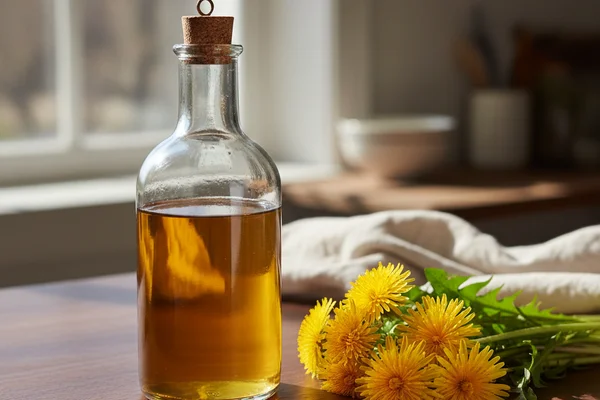
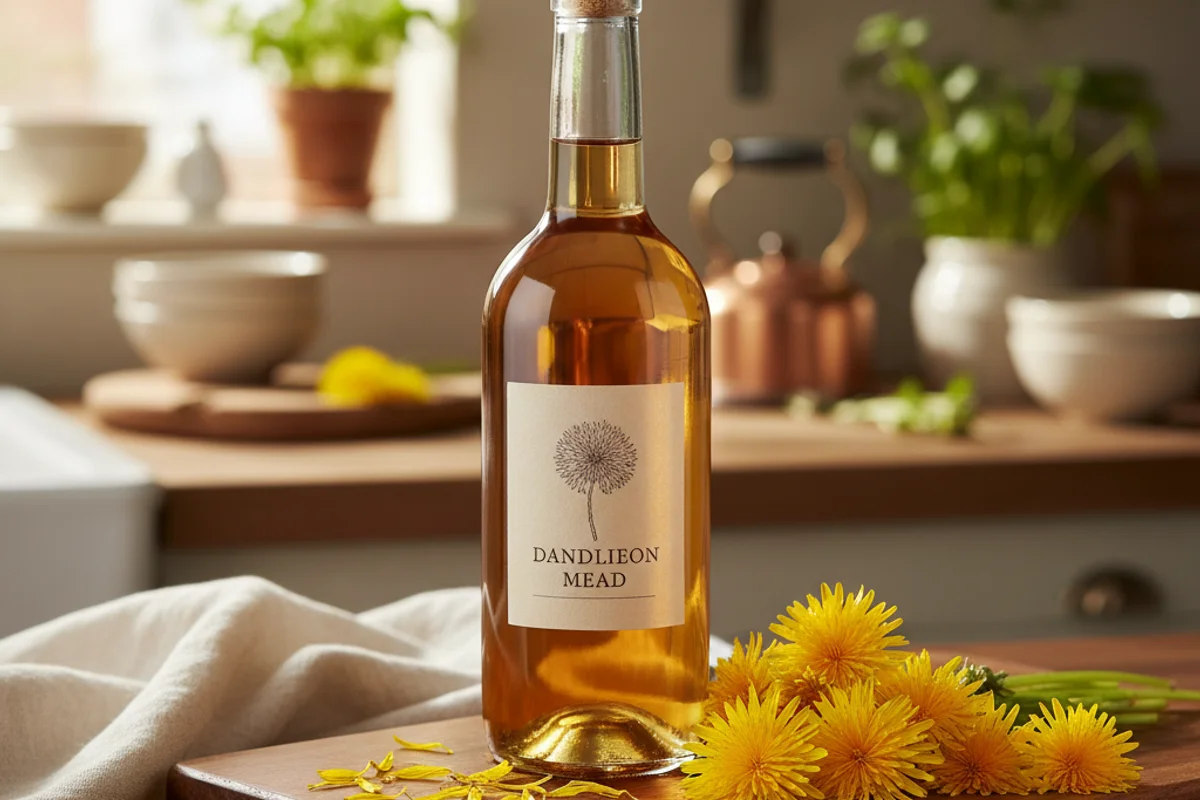
There’s a moment every spring when the lawn looks less like a chore and more like a harvest. Dandelion wine sits at the intersection of folklore and actual good drinking — pale gold, faintly honeyed, with a floral brightness that tastes nothing like the weeds you cursed all summer. The sultanas here aren’t filler; they’re the body of the wine, supplying fermentable sugar, mouthfeel, and just enough complexity to make this more than flower water. Give it a full year in the bottle and it rewards you like a time capsule.
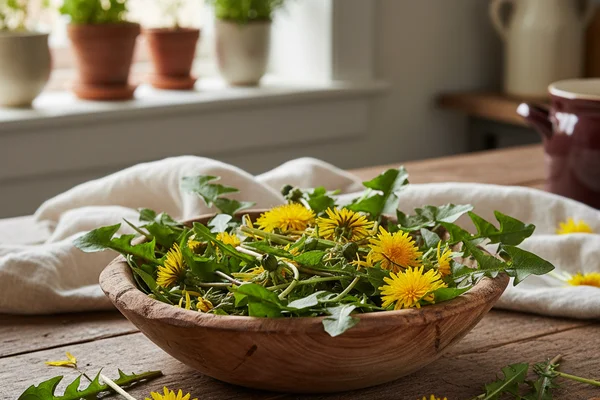
The beginner trap: Leaving even a small piece of green stem or sepal attached to the flower heads will push bitter, grassy flavors into the finished wine — trim ruthlessly.
Ingredients
- 2 quarts dandelion flower heads, stems and all green parts removed
- 1½ lbs sultanas (golden raisins), finely chopped or run through a food processor
- 2½ lbs granulated white sugar
- 4 medium oranges, juice only
- ¼ tsp powdered grape tannin (or 1 cup strongly brewed plain black tea, cooled)
- 1 tsp yeast nutrient
- 3 quarts water
- 1 packet wine yeast (Lalvin 71B or EC-1118 work well)
Method
- Bring the water to a full boil.
- While the water heats, wash the flower heads thoroughly and remove every trace of green stem, sepal, and leaf.
- Combine the flower heads, chopped sultanas, sugar, and orange juice in your primary fermenter.
- Pour the boiling water over everything and stir until the sugar fully dissolves.
- Cover the fermenter loosely and let it cool to room temperature — about 70–75°F (21–24°C).
- Stir in the tannin and yeast nutrient, then pitch your activated wine yeast.
- Ferment in the primary for 7 days, stirring once daily, then strain out all solids and squeeze the pulp dry before discarding it.
- Transfer the liquid to a secondary fermenter (carboy or jug); do not top it up yet — leave the headspace.
- Fit an airlock and wait 2 weeks, then top the vessel up to the neck with water or a neutral white wine and refit the airlock.
- Wait another 2 weeks, then rack the wine off its sediment into a clean vessel, top up again, and reattach the airlock.
- Rack every 2 months for the next 6 months, topping up each time.
- Stabilize with potassium sorbate and potassium metabisulfite, wait 2 weeks, then rack into bottles.
- Store the bottles somewhere dark and cool for at least one full year before opening.
Why this works
Dandelion petals are almost all aroma and color — they carry very little fermentable sugar or body on their own. That’s why sultanas do the heavy lifting here. Dried grapes are concentrated sources of glucose, fructose, and natural tannins, giving the yeast plenty to work with while adding structure to what would otherwise be a thin wine. Orange juice provides tartaric and citric acid, dropping the pH into a range where yeast thrive and spoilage organisms struggle. The long aging schedule isn’t tradition for tradition’s sake: ester compounds formed during fermentation need time to mellow and integrate, and the floral volatiles from the petals actually become more nuanced — less sharp, more aromatic — after twelve months in glass.
Notes
If fresh dandelions aren’t available or you want to spread the harvest over several weeks, freeze the trimmed flower heads in zip-lock bags and use them straight from frozen — no thawing needed. Sultanas are the same thing as golden raisins and are sold in most grocery stores; regular brown raisins work as a substitute but will darken the wine slightly. Powdered grape tannin is available at homebrew shops, but a cup of strong black tea is a perfectly good everyday stand-in.