Dandelion Wine (17)
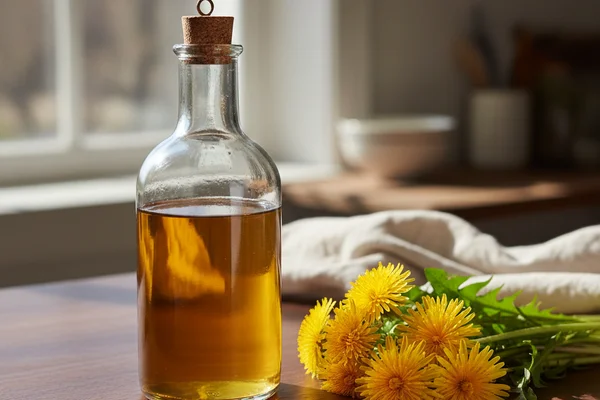
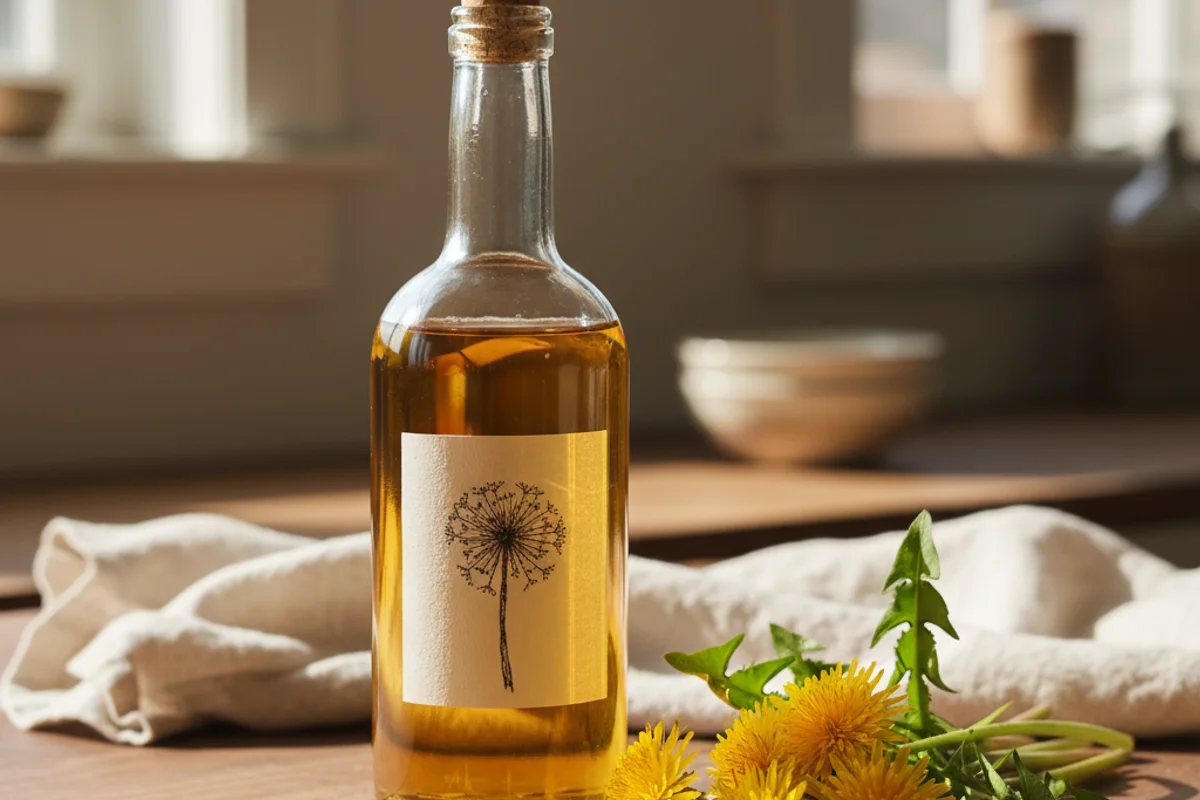
Dandelion wine is liquid spring — bright, faintly floral, with a honey-like sweetness and just enough citrus edge to keep things interesting. What sounds like a backyard science experiment actually produces a pale golden wine that genuinely surprises people on first sip. The catch? You need to pick fast. Dandelions bloom hard and brief, and the window between “perfect” and “gone to seed” is maybe a week. Pull the petals at peak bloom on a dry morning, and you’re working with the best raw material this weed has to offer.
The beginner trap: Leaving green stem or sepal material in with the petals — it adds a sharp, bitter edge that no amount of aging will fix.
Ingredients
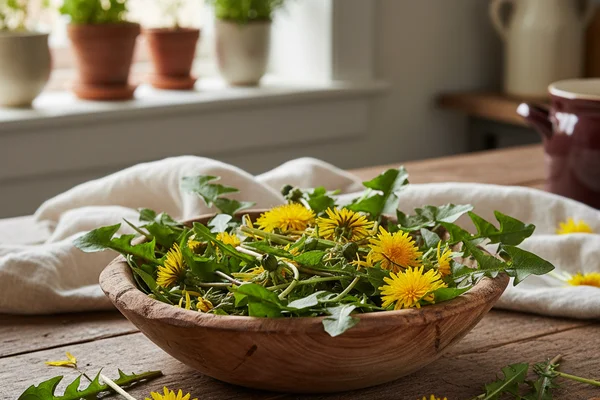
- 2 quarts dandelion flower heads, green parts removed (fresh or frozen)
- 3 lbs granulated white sugar
- 1 lemon, thinly sliced
- 1 orange, thinly sliced
- 1 gallon water
- 1 tsp yeast nutrient (found online or at homebrew shops)
- 1 packet wine yeast (Lalvin 71B or EC-1118 work well)
Method
- Bring the gallon of water to a full boil.
- While the water heats, rinse the flower heads and trim away every bit of green stem and sepal — only the petals go in.
- Place the flower heads and citrus slices in your primary fermenter, then pour the boiling water over everything.
- Cover the fermenter with a clean cloth and let it steep for 10 days at room temperature.
- Strain out and discard all solids, pressing the flowers and citrus gently to extract as much liquid as possible.
- Stir in the sugar and yeast nutrient until both are fully dissolved — no grit on the bottom.
- Activate your yeast according to the packet instructions, then add it to the must and cover the fermenter loosely.
- After 3 days, rack the young wine into a clean secondary fermenter (a 1-gallon glass jug works great) and fit an airlock.
- After 2 months, rack again, add a stabilizer like potassium sorbate and potassium metabisulfite, and let it rest for 2 weeks.
- Rack into bottles and store somewhere cool and dark — this wine genuinely improves with at least 6 months of aging.
Why this works
The 10-day cold steep pulls color, aroma compounds, and flavor from the petals without cooking off the volatile floral notes. Boiling water is used for sanitation at the start, but by the time you pitch yeast the must has cooled to a safe temperature. The citrus does double duty — the juice lowers pH slightly (making the environment friendlier to yeast and hostile to spoilage bacteria), and the peel contributes aromatic oils and natural tannins. Those tannins act as a mild preservative and give the finished wine a bit of backbone, which is why dandelion wine rewards patience in the bottle more than most beginner fruit wines.
Notes
If fresh dandelions aren’t available or you want to spread the picking over multiple days, freeze the cleaned petals in zip-lock bags — frozen dandelion petals work just as well here. No wine yeast on hand? A packet of bread yeast will technically ferment this, but the flavor will be noticeably rougher; Lalvin 71B from Amazon or any homebrew shop is a genuine upgrade for just a dollar or two.