Dandelion Wine (20)
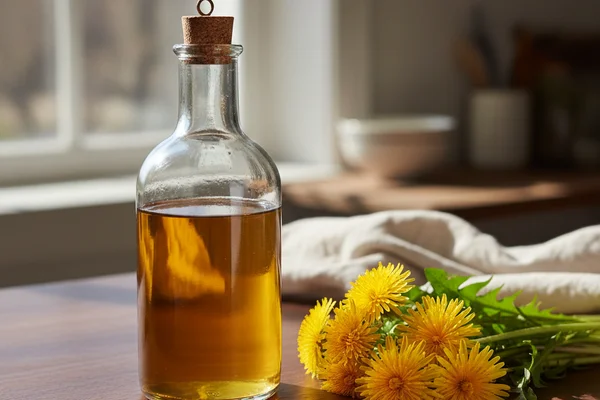
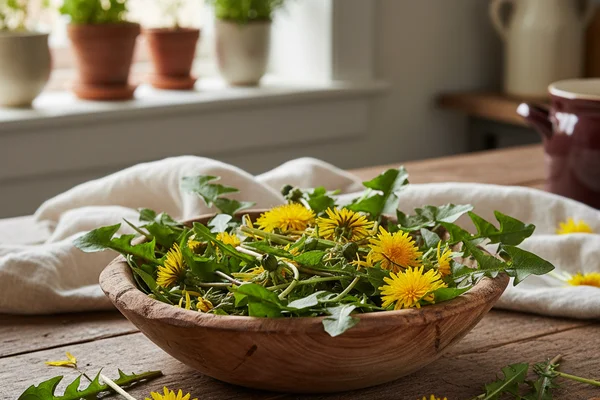
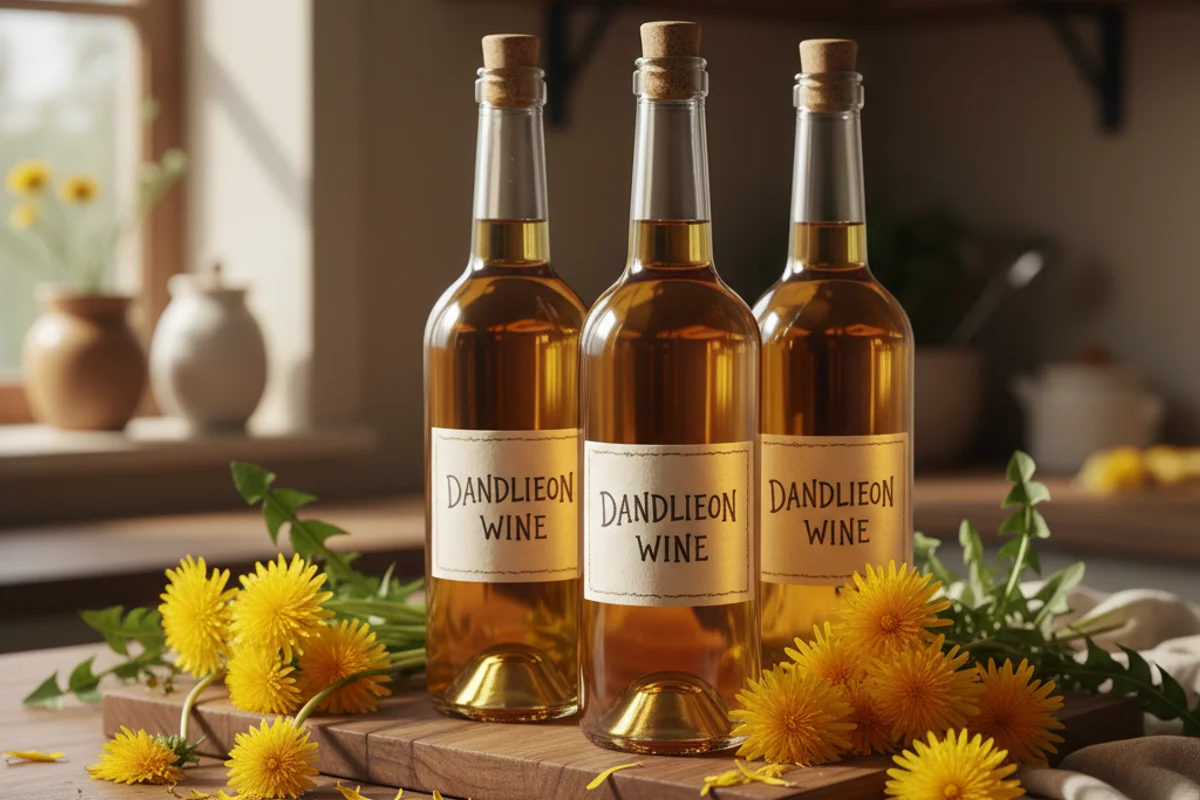
Dandelions are the lawn’s most underrated crop. Those bright yellow heads carry a surprisingly delicate, honey-like fragrance that can translate into a pale golden wine with floral notes, a hint of citrus, and just enough body to feel like a real glass of something special. The trick is harvesting at peak bloom — mid-morning on a dry day, when the flowers are fully open and the bees have already done their morning rounds. Pick enough and you’ve got a wine that tastes like late spring in a bottle.
The beginner trap: Leaving any green parts — sepals, stems, or the white base of the flower — attached to the petals will drive bitter, grassy flavors straight into your wine and no amount of aging will fix it.
Ingredients
- 9 cups dandelion petals (yellow only, all green removed)
- 1 lb white or golden raisins, finely chopped or minced
- 2 lbs granulated sugar
- 2 lemons, juice and zest
- 3 oranges, juice and zest
- 1 tsp yeast nutrient
- ½ tsp pectic enzyme
- ¼ tsp wine tannin (or 1 cooled cup of strong plain black tea)
- 7 pints (3.5 liters) water
- 1 packet Côtes-du-Rhône or Hock wine yeast (Lalvin 71B works well as a grocery-accessible substitute)
Method
- Bring the water to a full boil. While it heats, zest all the citrus and set the zest aside — you’ll juice the fruit later.
- Place the dandelion petals and citrus zest together in a nylon straining bag and tie it closed.
- Set the bag in your primary fermenter and pour the boiling water directly over it. Cover and squeeze the bag several times a day for 3 days.
- After 3 days, drain and squeeze the bag firmly to recover all the liquid, then discard the spent petals and zest.
- Pour the liquid into a pot and bring it back to a boil. Stir in the sugar until fully dissolved.
- Add the chopped raisins, stir well, cover the pot, and remove it from the heat. Let it sit for 45–60 minutes, then let it cool slightly.
- In your primary fermenter, combine the citrus juice, tannin, and yeast nutrient. Pour in the warm sugar-raisin liquid and stir to combine.
- Cover and let the mixture cool to room temperature (below 75°F / 24°C). Add the pectic enzyme, cover again, and leave it alone for 10–12 hours.
- Activate your yeast according to the packet instructions, add it to the fermenter, and cover loosely.
- Stir the must twice daily for 5 days.
- Strain the liquid through a clean nylon straining bag into your secondary fermenter (a glass carboy or similar). Discard the raisins. Fit an airlock.
- Once the wine clears, rack it into a clean vessel, add one crushed Campden tablet (potassium metabisulfite), top up to minimize headspace, and refit the airlock.
- Rack again every 2 months for 6 months total — add a second Campden tablet at the middle racking, and add stabilizer (potassium sorbate plus a Campden tablet) at the final racking.
- Wait one more month, then rack into bottles. Cellar for at least 6 months before opening the first bottle. Give the rest another 6 months — it keeps getting better.
Why this works
Dandelion petals contain very little sugar, acid, or tannin on their own — they’re essentially just fragrant water. The raisins do a lot of the heavy lifting here: they add fermentable sugars, light body, and a small dose of nutrients that keep the yeast healthy. The citrus juice supplies tartaric and citric acids that give the wine backbone and prevent it from tasting flat. Pectic enzyme breaks down the pectin naturally present in fruit tissue, which would otherwise cause a stubborn haze that refuses to clear no matter how long you wait. Tannin rounds out the mouthfeel — without it, a flower wine can taste thin and hollow.
Notes
Frozen dandelion petals work fine if you’ve harvested more than you can use at once — freeze them on a sheet pan first so they don’t clump, then measure them while still frozen. If you can’t find wine-specific tannin powder at a homebrew shop, one cup of strong, cooled black tea (plain, no additives) is a reliable everyday substitute.