Dandelion Wine (21)
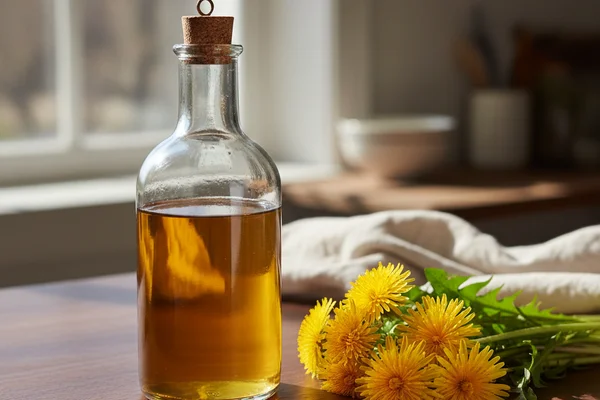
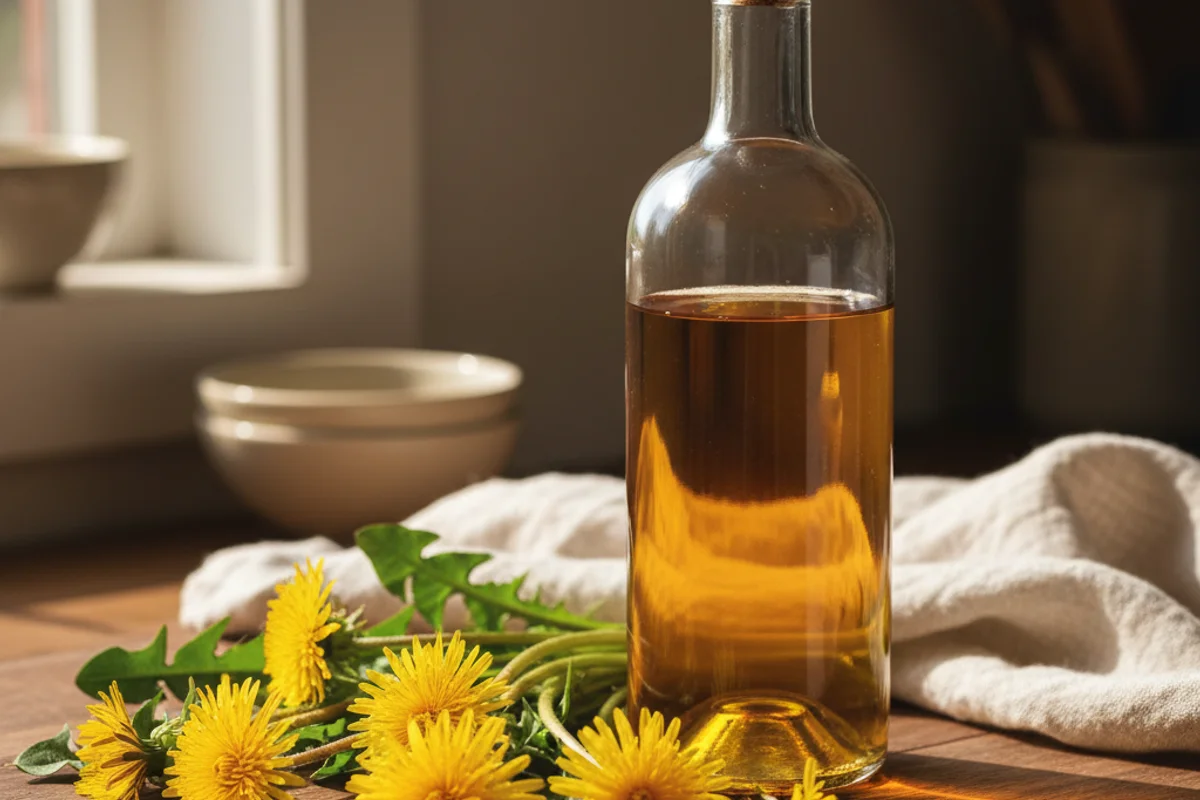
Every spring, lawns across the country wage a losing battle against a flower most people treat as a pest. Here’s the plot twist: those same dandelions, picked at peak bloom on a dry sunny morning, make a wine that tastes like bottled sunlight — floral, faintly honey-like, with a citrus brightness that keeps it from feeling heavy. This is a slow recipe. It rewards patience the way a good paperback rewards a rainy afternoon. Plan about a year from flower to glass, and you’ll have something genuinely worth sharing.
The beginner trap: Leaving any green parts — sepals, stem, or white pith from the oranges — on the flowers or peel will drive a harsh, bitter flavor straight into the wine.
Ingredients
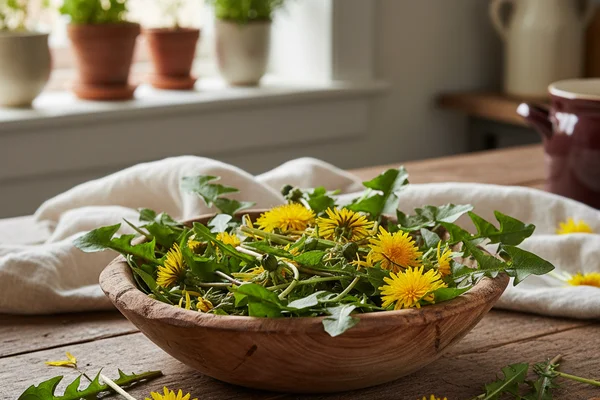
- 2 quarts dandelion flower heads, yellow petals only (no green parts)
- 3 lbs granulated white sugar
- 4 medium oranges (juice and peel)
- 1 gallon water
- 1 packet wine yeast (Lalvin EC-1118 or any general-purpose wine yeast)
Method
- Bring the water to a full boil. While it heats, wash the flowers thoroughly and pull or cut away every bit of green material, keeping only the yellow petals.
- Place the petals in your primary fermentation bucket and pour the boiling water over them. Cover tightly and let them steep for two full days at room temperature.
- Pour the flower water back into a large pot. Use a vegetable peeler to remove thin strips of orange peel — no white pith — and add the peel to the pot.
- Bring the pot to a boil and hold it there for 10 minutes, then strain the liquid through a fine cloth or two layers of cheesecloth back into the primary bucket. Discard the solids.
- Add the sugar to the hot liquid and stir until it dissolves completely.
- Once the liquid cools to below 75°F (24°C), stir in the juice from all four oranges and sprinkle in the yeast.
- Cover the bucket with a clean cloth and leave it undisturbed for 14 days, stirring once daily if possible.
- Rack the wine into a clean glass secondary fermenter (a 1-gallon jug works perfectly) and fit an airlock.
- Once the wine runs clear and bubbling has stopped completely, rack it again into a clean vessel, top it up to minimize headspace, and refit the airlock. Let it rest for 6 months.
- Rack carefully into bottles and store them for another 6 months before opening.
Why this works
Dandelion petals carry aromatic compounds but almost no acid and very little tannin on their own — that’s why this recipe leans on oranges so hard. The peel brings aromatic oils and a small amount of tannin for structure, while the juice delivers malic and citric acid to keep the finished wine from tasting flat or flabby. The two-day cold steep pulls flavor from the petals gently, and the short boil with the peel extracts those oils without cooking off the aromatics. Sugar is the sole fermentable here, so the yeast has a clean canvas. The long aging time lets harsh alcohol notes round out and allows those delicate floral esters to come forward.
Notes
If dandelion season has passed, look for dried dandelion petals at health food stores or online — use about 1.5 oz dried in place of 2 quarts fresh. Any standard wine yeast works here; champagne yeast will ferment drier, so stick to a Montrachet-style packet if you want a hint of sweetness. Cheesecloth from any grocery store doubles as a muslin substitute.