Dandelion Wine (26)
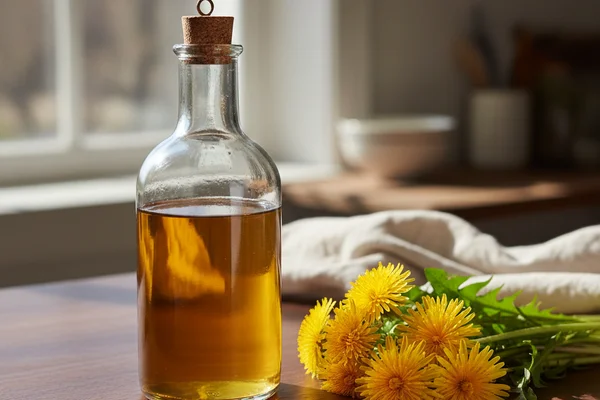
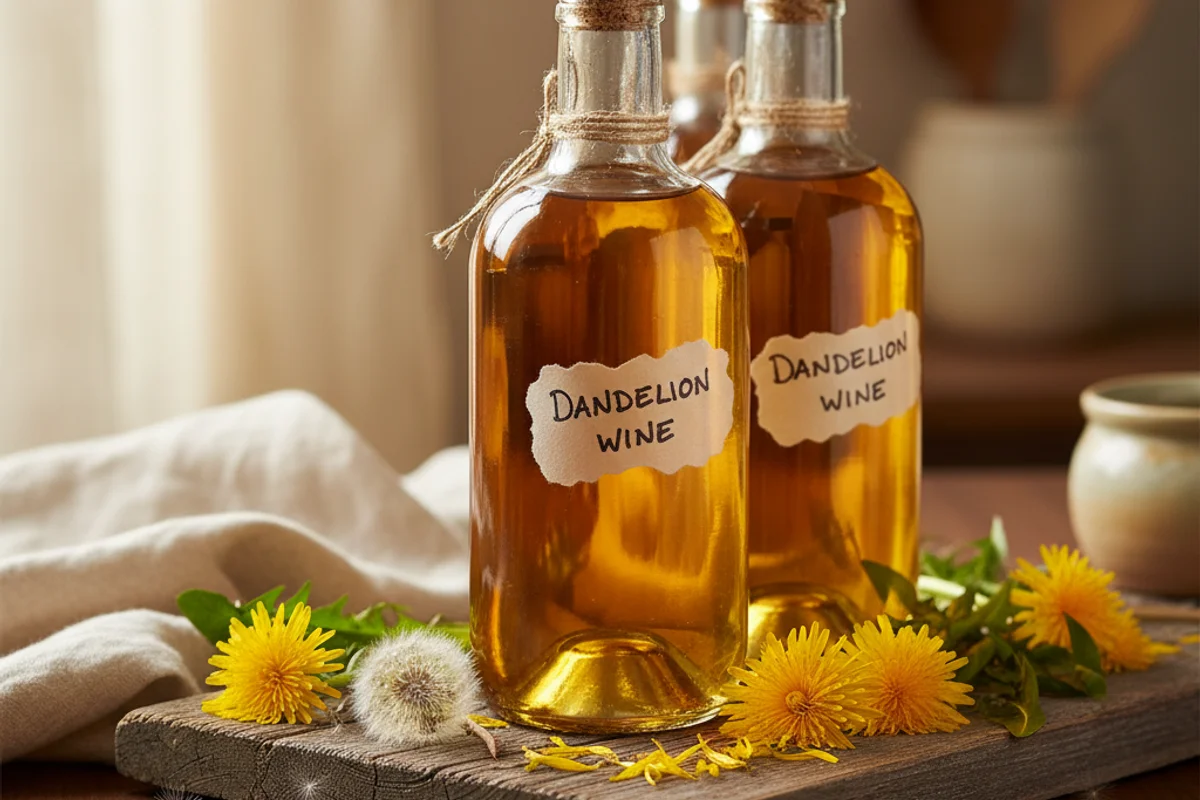
Dandelions are basically the weed your lawn hates and your wine rack should love. The flowers bring a delicate, honey-like sweetness with faint grassy notes, and demerara sugar deepens that with a subtle molasses warmth. Lemon adds the brightness this wine needs to keep it from tasting flat. The result is a pale golden wine that drinks like a sunny afternoon — floral, lightly tart, and surprisingly complex for something you probably mow over without a second thought.
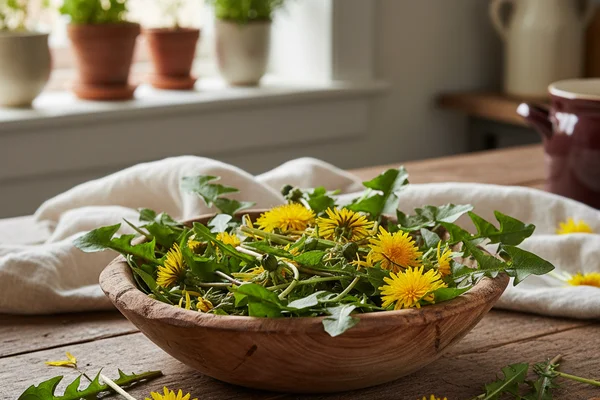
The beginner trap: Leaving green stalk or the bitter green calyx base attached to the flowers will push harsh, vegetal flavors into the finished wine — pull petals cleanly and inspect every flower before it goes in the pot.
Ingredients
- 4 pints dandelion flowers, calyx on, stalks removed
- 4 lbs demerara sugar (raw turbinado or dark brown sugar work as substitutes)
- 2–3 lemons, peeled and thinly sliced
- 1 tsp yeast nutrient
- 1 gallon spring water (or filtered tap water)
- 1 packet wine yeast (Lalvin 71B or EC-1118 are reliable grocery-store-adjacent options)
Method
- Bring the water to a full boil. While it heats, wash the flowers and remove any remaining stalk.
- Add the flowers to the boiling water and keep at a boil for 20 minutes.
- Strain the hot liquid directly onto the sugar in your primary fermenter and stir until the sugar fully dissolves.
- Add the sliced lemon to the warm liquid, cover, and let everything cool to room temperature.
- Activate your yeast according to the packet instructions, then stir it into the cooled must along with the yeast nutrient.
- Ferment in the primary, covered loosely, until the vigorous bubbling slows to a gentle activity — usually 5 to 7 days.
- Strain the liquid into your secondary fermenter, squeezing the lemon slices to release their juice as you go.
- Attach an airlock and let the wine clear undisturbed.
- Rack into a clean, sanitized secondary, top up to minimize headspace, and reattach the airlock.
- Bulk age under airlock for 6–8 months, then rack into bottles and age further to taste.
Why this works
Boiling the flowers extracts their aromatic compounds and color while also killing off wild yeast and bacteria that could derail fermentation. Straining the hot liquid over the sugar is a two-for-one move — the heat dissolves the sugar almost instantly and pasteurizes the must at the same time. Demerara sugar adds fermentable sugars plus trace molasses flavors that round out the floral notes. The lemon does double duty: the slices steeped in the primary add gentle citrus aroma, and the squeezed juice added at racking boosts acid balance, which keeps the wine tasting lively rather than flat. The long bulk aging lets harsh young flavors mellow into something worth drinking.
Notes
Frozen dandelion flowers (collected in season and frozen) work just as well here — freeze them in measured pint portions so you’re ready to brew off-season. If you can’t source demerara sugar, dark brown sugar is a close substitute; white sugar will work but strips out that warm caramel undertone. If the wine is slow to clear, a dose of pectic enzyme at the primary stage (about 1/2 tsp) can help break down flower-derived pectin haze.