Dandelion Wine (30)
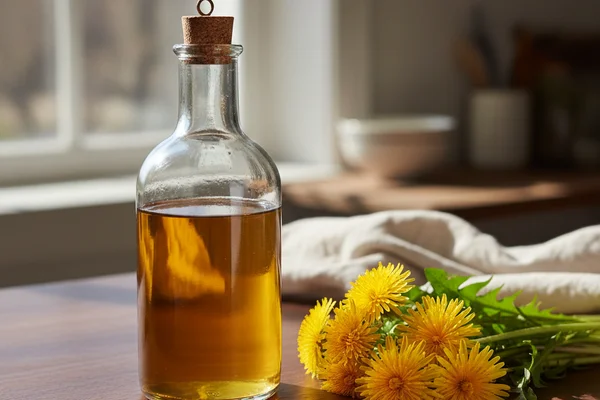
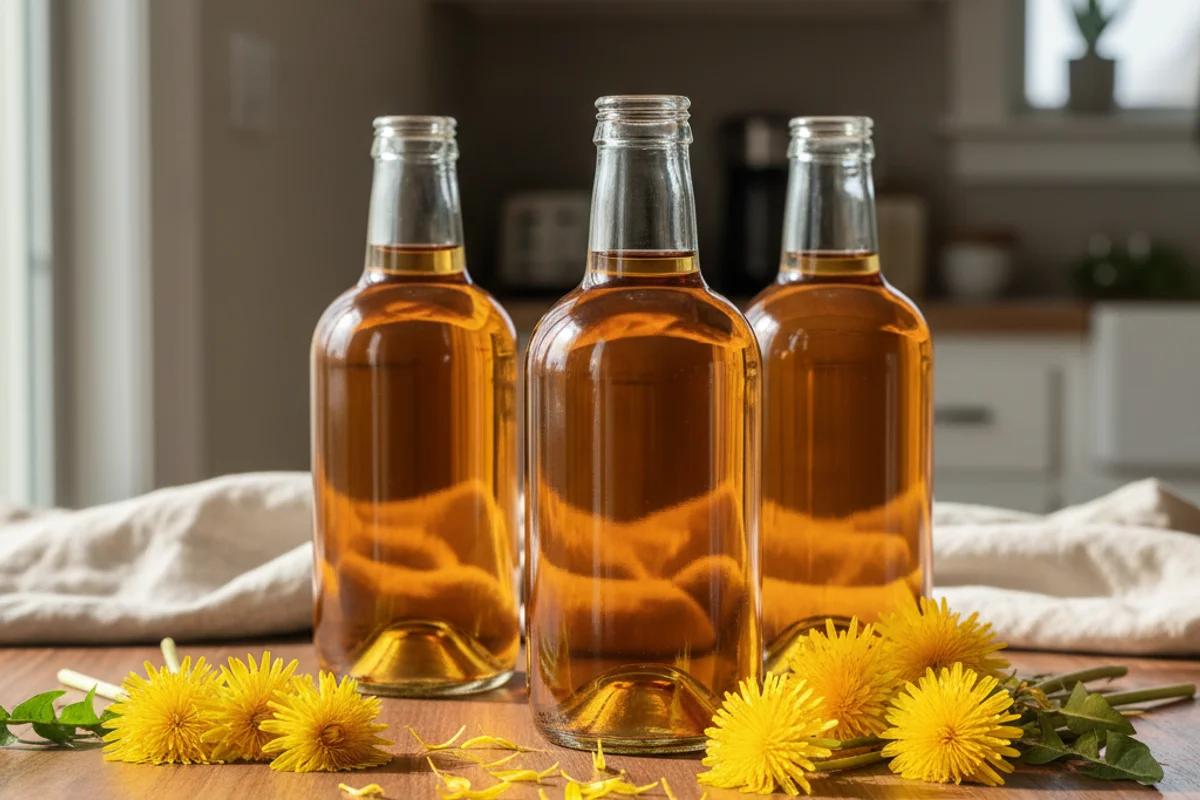
There’s a moment every spring when your lawn becomes a winery. Dandelion wine is one of the oldest flower wines in the home winemaking tradition, and for good reason — those bright yellow heads carry a delicate, honey-like floral character that, given enough time, transforms into something genuinely elegant. The frozen white grape concentrate adds body and a neutral fruit backbone without stealing the show. Citrus brings acid and freshness. The result, if you’re patient, is a pale golden wine that tastes almost nothing like a weed.
The beginner trap: Rushing this one — dandelion wine needs at least two years in the bottle before it shows its best self, and most new winemakers crack it open far too early.
Ingredients
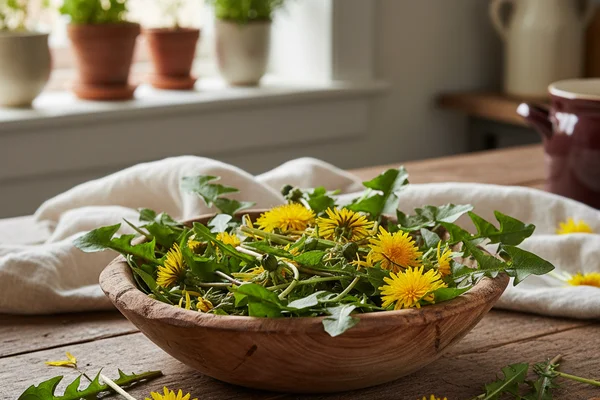
- 6 cups dandelion petals, separated from the green base
- 3 cups dandelion flower heads, stems removed and washed
- 1 (11 oz) can Welch’s 100% White Grape Juice frozen concentrate
- 1 lb 10 oz (about 3½ cups) granulated white sugar
- Juice of 2 lemons
- Juice of 2 oranges
- 1 tsp yeast nutrient
- ½ tsp pectic enzyme
- ¼ tsp wine tannin (or 1 unsweetened black tea bag, steeped and cooled)
- 6¼ pints (about 3.1 quarts) water
- 1 packet White Burgundy wine yeast (or any dry white wine yeast)
- Campden tablets (potassium metabisulfite), for racking
Method
- Place the dandelion petals and trimmed flower heads into a nylon straining bag. Drop in a dozen sterilized glass marbles to weigh the bag down, then tie it closed.
- In your primary fermenter, combine the grape concentrate, sugar, lemon juice, orange juice, yeast nutrient, pectic enzyme, tannin, and water. Stir until the sugar is fully dissolved.
- Submerge the dandelion bag in the must, cover the fermenter, and let it rest for 10–12 hours.
- Activate your yeast according to the packet instructions, then add it to the must and re-cover the fermenter.
- Stir the must twice daily; gently squeeze and dunk the bag several times a day for 5 days.
- After 5 days, remove and lightly squeeze the bag — don’t wring it hard — then transfer the liquid to a glass secondary fermenter and fit an airlock.
- After 2 weeks, rack the wine into a clean secondary, top up to minimize headspace, and refit the airlock.
- Once the wine clears, wait 2 more weeks, then rack again into a clean secondary with 1 crushed Campden tablet added first.
- Rack every 2 months for the next 6 months, adding a crushed Campden tablet during the middle racking and adding stabilizer (potassium sorbate plus a Campden tablet) at the final racking.
- Wait one more month, then rack into bottles. Cellar for 2 years before opening.
Why this works
Dandelion petals contain aromatic compounds that are fragile and slow to fully integrate — which is why patience pays off here. Pectic enzyme breaks down plant cell walls, releasing more flavor and helping the wine clear properly; without it, you’d likely end up with a hazy, pectin-clouded result. The frozen grape concentrate isn’t just filler — it provides fermentable sugars, body, and trace minerals that give the yeast a healthier environment to work in. Campden tablets (sulfites) added at each racking protect the wine from oxidation and microbial spoilage during the long aging period. Think of them as the preservative system that makes a two-year wait possible without the wine turning to vinegar.
Notes
If you can’t find White Burgundy yeast, Lalvin 71B or EC-1118 are widely available at homebrew shops and online. Wine tannin powder can be swapped for a cooled, strongly brewed cup of plain black tea — use about 4 oz. Pick dandelions away from roadsides or any lawn treated with pesticides or herbicides; cleanliness of the flower is the single biggest quality variable in this recipe.