Dandelion Wine (4)
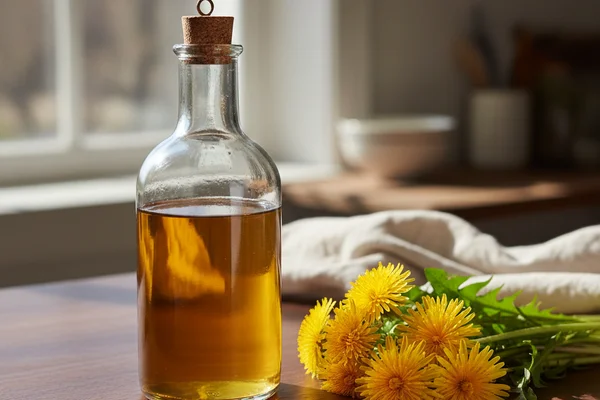
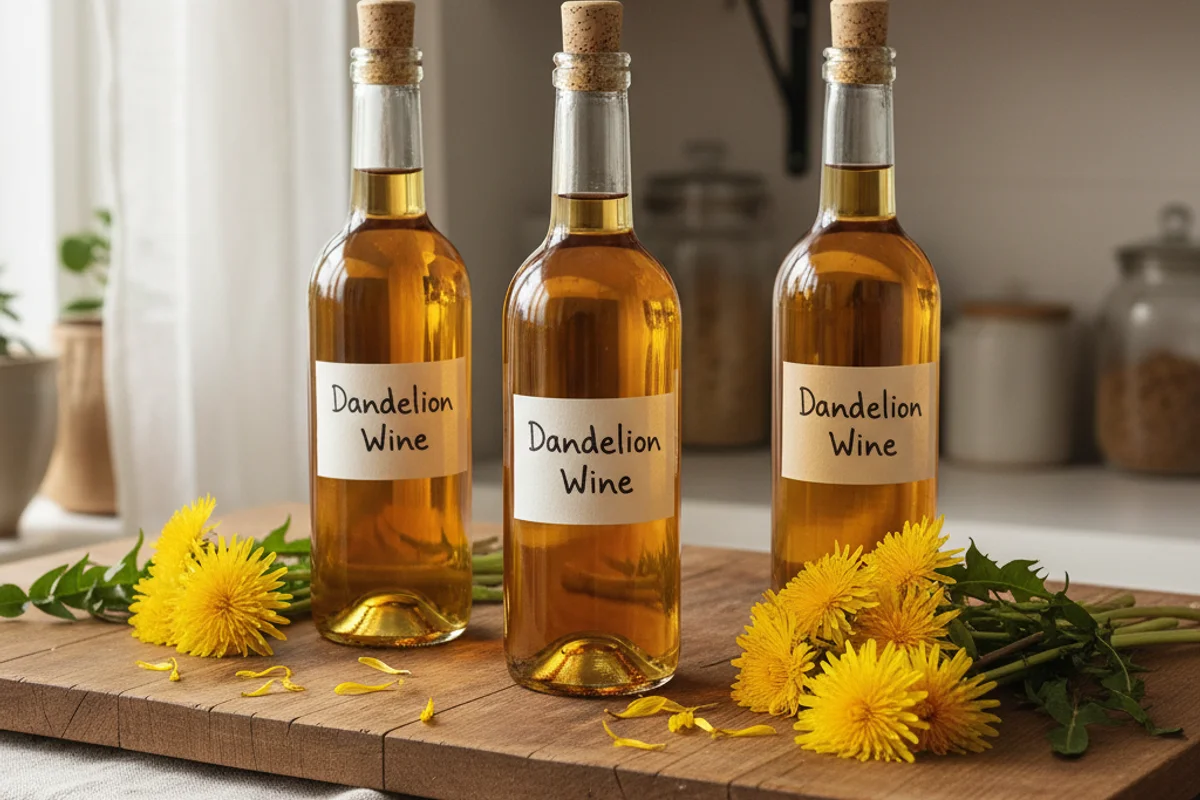
Most people walk past dandelions on their way to buy expensive fruit. That’s a mistake. These stubborn little weeds pack a surprising floral punch — bright, honey-like, and faintly grassy — that translates into a pale gold wine that tastes like a spring afternoon. The trick is patience: this wine needs a good six months in the bottle before it stops tasting like a science project and starts tasting like something worth sharing. Champagne yeast keeps things clean and crisp, and a single lemon ties the whole flavor together.
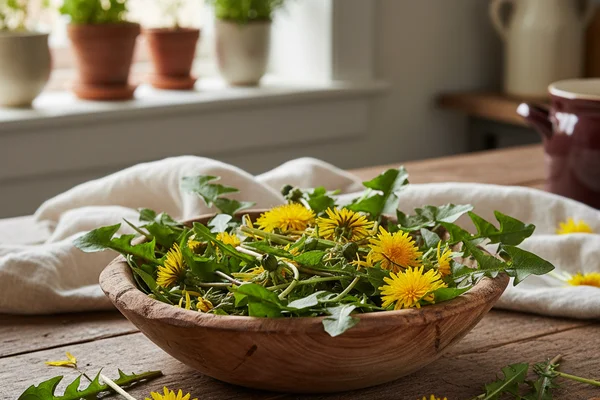
The beginner trap: Leaving any green parts — sepals, stems, or the white base of the flower — on the petals will make your wine bitter and hard to fix later.
Ingredients
- 3 quarts dandelion flower petals (fresh; no green parts)
- 2 lbs 6 oz granulated white sugar
- 1 lemon, juice and zest
- 7 pints (3.5 quarts) water
- 1 tsp yeast nutrient (available at homebrew shops or online)
- 1 packet Champagne wine yeast (or any dry white wine yeast)
Method
- Wash the flowers and pull off all the petals, discarding every bit of green — stems, sepals, and the bitter white base of the bloom.
- Bring the water to a full boil, then pour it over the petals and lemon juice and zest in your primary fermenter.
- Stir, cover loosely, and let the mixture steep at room temperature for 7 days.
- Strain the liquid through a fine mesh bag or cheesecloth, squeezing firmly to get every drop.
- Combine 1 quart of the strained liquid with all the sugar in a saucepan and stir over medium heat until it reaches a boil and the sugar fully dissolves.
- Pour half of this sugar syrup back into the rest of the strained liquid and stir in the yeast nutrient; cap and refrigerate the other half.
- Transfer the liquid to your secondary fermenter (a carboy or jug) and let it cool to room temperature.
- Rehydrate the yeast according to the packet instructions, then add it to the cooled liquid and fit an airlock.
- After 7 days, rack the wine off the sediment, stir in the reserved sugar syrup, and refit the airlock.
- Ferment to dryness, then rack again, top up the vessel to minimize headspace, and refit the airlock.
- Repeat racking every 60 days until a full 60-day period passes with no new sediment forming.
- Stabilize with potassium sorbate and potassium metabisulfite, wait two weeks, then rack into bottles and age at least 6 months before opening.
Why this works
The 7-day cold steep pulls color, aroma, and flavor compounds from the petals without extracting tannins (which live mostly in the green parts — another reason to remove them). Splitting the sugar addition is the clever move here: adding all that sugar at once would stress the yeast early and could stall fermentation. By holding half back and adding it after the first week, you give the yeast a manageable starting gravity, let them build population and health, then fuel the second half of fermentation when they’re strong and active. Champagne yeast is well-suited to this because it’s a clean, high-alcohol-tolerant strain that won’t muddy the wine’s delicate floral notes.
Notes
Dandelion flowers freeze surprisingly well — pick them on a dry spring morning, strip the petals, freeze flat on a baking sheet, then bag them for later use. If you can’t find yeast nutrient at a local homebrew shop, a pinch of bread yeast (just a tiny amount, not for fermenting) or a few raisins can sub in, though dedicated nutrient gives more reliable results.