Dandelion Wine (9)
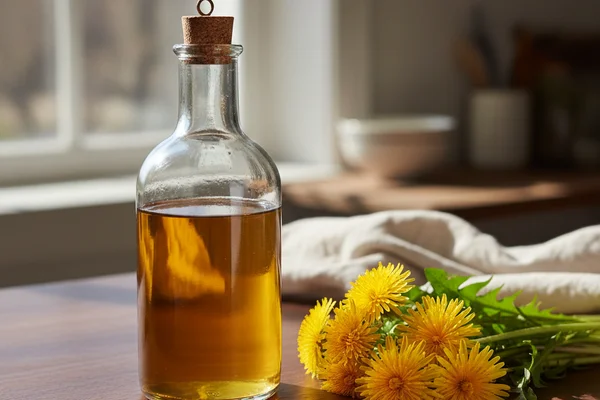
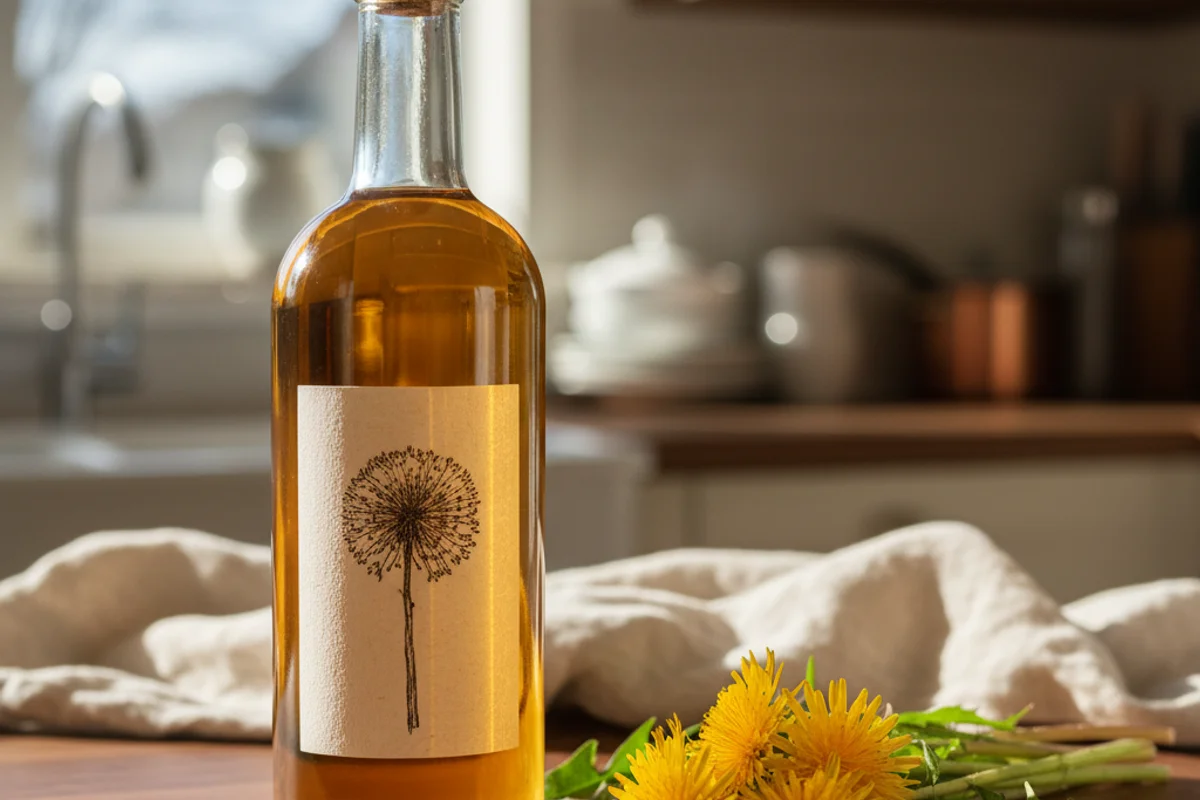
Picture your backyard in May — those bright yellow “weeds” everyone else is yanking out. You’re going to turn them into something that, given enough patience, tastes faintly like whiskey. That’s not a typo. Dandelion wine is one of the oldest homemade wines in the book, and this version leans on white grape juice concentrate for body and fermentable sugar, letting the flowers contribute their delicate, honey-like floral character without carrying the whole weight of the recipe. The result starts golden and a little rough, then slowly transforms into something genuinely worth talking about.
The beginner trap: Adding the flowers at the very start of fermentation — skip that; let the initial ferment roar through first, then introduce the flowers so you actually capture their aroma instead of boiling it off in CO₂.
Ingredients
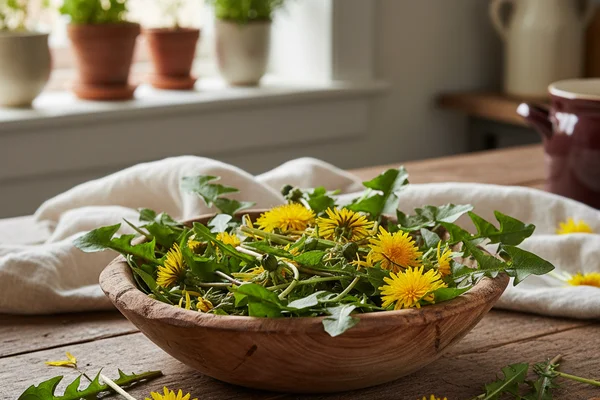
- 2 quarts dandelion flower heads, freshly picked
- 23 oz (one standard can) Welch’s 100% White Grape Juice Frozen Concentrate
- Sugar, as needed to reach a starting specific gravity of 1.090 (roughly 1–1½ cups, but measure)
- 6½ pints (about 13 cups) water
- 1 packet wine yeast (Lalvin EC-1118 or any general-purpose wine yeast)
Method
- Combine the grape concentrate and water in your primary fermenter and stir until fully mixed. Use a hydrometer to check the gravity, then stir in sugar a little at a time until you hit 1.090.
- Sprinkle in the yeast, cover the fermenter loosely, and let fermentation kick off. Wait until the violent bubbling calms down — usually 3 to 5 days.
- While you wait, wash the dandelion flowers and trim off every stalk flush with the base. Leave the green calyx (the small, cup-shaped leafy collar at the base of the flower) on about one-quarter to one-half of the flowers — this adds a subtle bitter backbone.
- Place the trimmed flowers into a nylon straining bag along with about a dozen clean, sterilized glass marbles to weigh it down. Tie the bag closed.
- Submerge the bag in the actively fermenting wine, cover the fermenter, and squeeze the bag firmly twice a day for 5 days.
- After 5 days, pull the bag out, give it one final gentle squeeze, and discard the spent flowers. Transfer the wine to a glass secondary fermenter and seal with an airlock.
- Rack the wine after 4 weeks, moving it gently to avoid splashing. Top up to minimize headspace and refit the airlock.
- Rack again once the wine runs clear, then rack one more time 3 months after that.
- Stabilize the wine (potassium sorbate and potassium metabisulfite), wait 30 days, then bottle.
- Age at least 1 year before opening. Hold bottles 3 to 4 years if you want that whiskey-like depth to develop.
Why this works
Dandelion petals contain volatile aromatic compounds — primarily terpenoids — that dissolve into the wine during the soak phase. Introducing the flowers after the initial fermentation frenzy means CO₂ isn’t actively stripping those aromatics out of solution the moment they’re released. The green calyx holds bitter compounds called sesquiterpene lactones; using it on only a fraction of the flowers gives the wine structure without making it harsh. Meanwhile, the grape concentrate supplies not just sugar but amino acids and trace minerals that yeast needs to finish cleanly — giving you a stable, well-rounded base that improves dramatically with long aging as esters and aldehydes slowly mellow.
Notes
If dandelions aren’t in season or you don’t have access to a chemical-free yard, this recipe works with frozen dandelion flowers — collect them at peak bloom, freeze in a zip-lock bag, and use straight from frozen. Avoid flowers from lawns treated with herbicides or pesticides. Any 100% white grape juice concentrate (store brand is fine) can substitute for the Welch’s.