Jack Keller: Wildflowers in the Garden
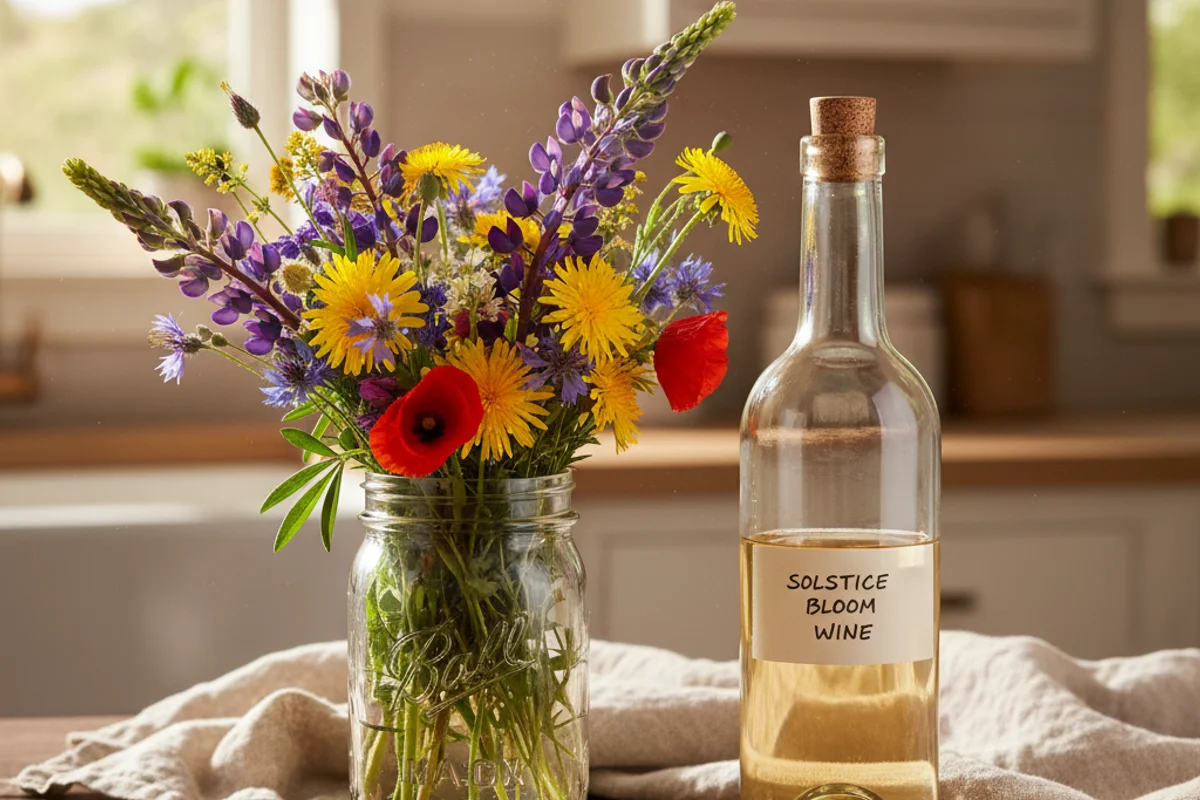
This page isn’t a wine recipe — and that’s okay. It’s a love letter to the Texas landscape, written by someone who understood that great wine starts long before the fermentation vessel. Bluebonnets, phlox, black-eyed Susans, Indian paintbrush: these are the raw materials of flower wines, and knowing how they grow, when they bloom, and where they thrive is the first step toward making something worth drinking. Consider this your field guide before the fermenter.
The beginner trap: Harvesting wildflowers at the wrong stage — either before full bloom or after the petals start dropping — strips your wine of the delicate aromatics you came for in the first place.
Ingredients
This page documents wildflower gardening inspiration rather than a single wine recipe. For a general wildflower wine starting point, use the following base:
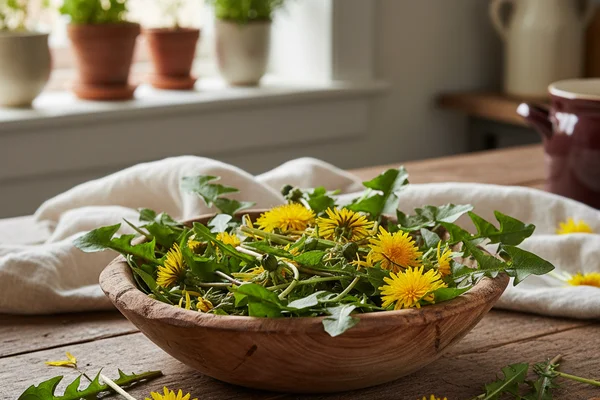
- 2 quarts fresh wildflower petals (bluebonnets, phlox, dandelions, or black-eyed Susans — petals only, all green material removed)
- 2 lbs granulated white sugar
- 1 tsp acid blend (or 2 tbsp fresh lemon juice)
- ½ tsp yeast nutrient
- ¼ tsp wine tannin (or 1 cup strong-brewed plain black tea)
- 1 Campden tablet, crushed
- 1 packet wine yeast (Lalvin 71B or Montrachet work well)
- Water to make 1 gallon
Method
- Collect petals in the morning just after flowers fully open, rinse gently, and check carefully for insects.
- Combine petals and sugar in a sanitized primary fermenter, then pour 1 quart of boiling water over them and stir until sugar dissolves.
- Add acid blend, yeast nutrient, tannin, and the crushed Campden tablet, then top up with cool water to 1 gallon.
- Cover loosely and wait 24 hours before adding yeast, giving the sulfite time to do its job.
- Sprinkle yeast over the surface, stir gently, and cover with a clean cloth secured with a rubber band.
- Stir twice daily for 5 to 7 days, then strain out all solids and transfer the liquid to a sanitized 1-gallon glass jug fitted with an airlock.
- Rack to a clean jug once sediment reaches ½ inch deep, and repeat until the wine runs clear — usually 2 to 3 rackings over 3 to 6 months.
- Bottle when clear and stable, then wait at least 6 months before opening.
Why this works
Flower petals hold aromatic compounds — primarily terpenes and esters — in delicate structures that break down fast under heat or rough handling. That’s why you add boiling water to the petals rather than boiling the petals themselves: you extract flavor without cooking it away. The Campden tablet knocks out wild yeast and bacteria that could hijack fermentation with off-flavors. Acid blend balances the natural sweetness and creates an environment where your chosen yeast thrives. Tannin, which flowers lack almost entirely, adds structure and helps the wine clear and age properly — without it, flower wines can taste flat and won’t hold up past a year or two in the bottle.
Notes
Frozen edible flowers work here — look for frozen rose petals or hibiscus at Latin grocery stores or online. Hibiscus (Jamaica) makes a deeply colored, tart flower wine that needs no modification to this recipe. Avoid any flowers that have been sprayed with pesticides; roadside wildflowers are often safer than nursery stock for this reason.