TULIP WINE
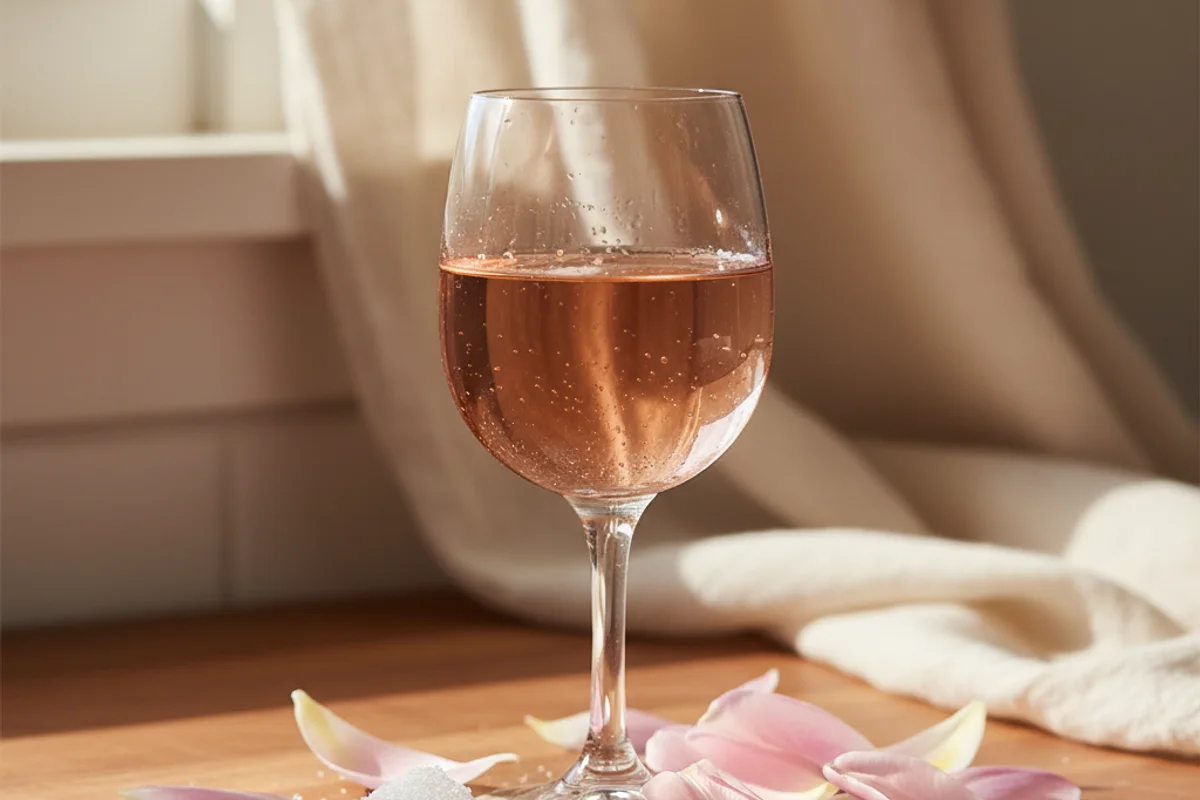
Tulip petals are mostly decoration — until they’re not. Strip them from the stem, drop them in a fermentation vessel, and something quietly remarkable happens: those thin, almost papery petals give up their delicate floral character to create a pale, fragrant wine that leans closer to a dry white than anything you’d expect from a flower bed. Color varies by petal — reds may blush the wine slightly, yellows tend to fade — but the result after a year in the bottle is consistently worth the wait.
The beginner trap: Rushing to bottle before the wine has fully cleared and stopped throwing sediment will leave you with a cloudy, off-tasting wine — this one genuinely needs 6–12 months of patience after bottling.
Ingredients
- 2–3 quarts tulip petals, lightly packed (fresh, picked same day)
- 2 lbs granulated white sugar
- 1 can (11.5 oz) Welch’s 100% White Grape Juice frozen concentrate
- 6¾ pints water (about 3.4 quarts)
- 2 tsp acid blend (find at homebrew shops; or substitute 1½ tsp lemon juice powder as a rough swap)
- 1 tsp yeast nutrient
- ⅛ tsp powdered grape tannin (or ¼ cup strong unsweetened black tea as a substitute)
- 1 packet Champagne or Hock wine yeast
Method
- Pick petals only — no stems, no stamens — and rinse them gently under cold water to remove any dirt or insects.
- Place the petals in a nylon straining bag, tie it shut, and set it in the bottom of your primary fermentation bucket.
- Bring the water to a full boil in a large pot, then stir in the sugar until it fully dissolves.
- Pour the hot sugar water directly over the bagged petals in the bucket, then cover and let the whole thing cool to room temperature.
- Once cooled, add the grape juice concentrate, acid blend, grape tannin, and yeast nutrient; stir well.
- Activate your yeast according to packet directions, then stir it into the must; cover the bucket loosely with a cloth or lid.
- Ferment at room temperature for five days, gently squeezing the petal bag once each day to coax out flavor and color.
- On day five, lift the bag and let it drip drain completely into the bucket; discard the spent petals.
- Pour the liquid into a clean secondary fermentation vessel (a 1-gallon glass jug works well) and fit an airlock.
- Once the wine clears, rack it off the sediment into a clean vessel, top up to minimize headspace, and refit the airlock.
- Repeat that rack-and-top-up step every 60 days for as long as any sediment keeps forming on the bottom.
- When the wine has gone a full 60 days without throwing new sediment, rack it into bottles and age at least 6–12 months before opening.
Why this works
Tulip petals are low in natural sugar and acid, which is exactly why this recipe leans on three supporting players. The frozen white grape concentrate adds fermentable sugar, a mild grape backbone, and a small amount of natural tannin — all without overwhelming the floral character. The acid blend adjusts pH into a range where yeast thrive and spoilage bacteria struggle (roughly 3.2–3.5). Powdered tannin adds structure and helps the wine clarify over time by binding to proteins and pulling them out of suspension. The long aging period isn’t just patience theater — floral esters are volatile and sharp when young, but they knit together into something genuinely complex given 12 months to settle.
Notes
If you grow tulips in multiple colors, make separate batches by color on your first attempt — the finished wines may look different, and blending unknowns is a gamble. Nylon straining bags are sold at homebrew shops and online, but a large knee-high nylon stocking works in a pinch. Do not use tulip bulbs or leaves — petals only.