Winemaking: Edible Flowers
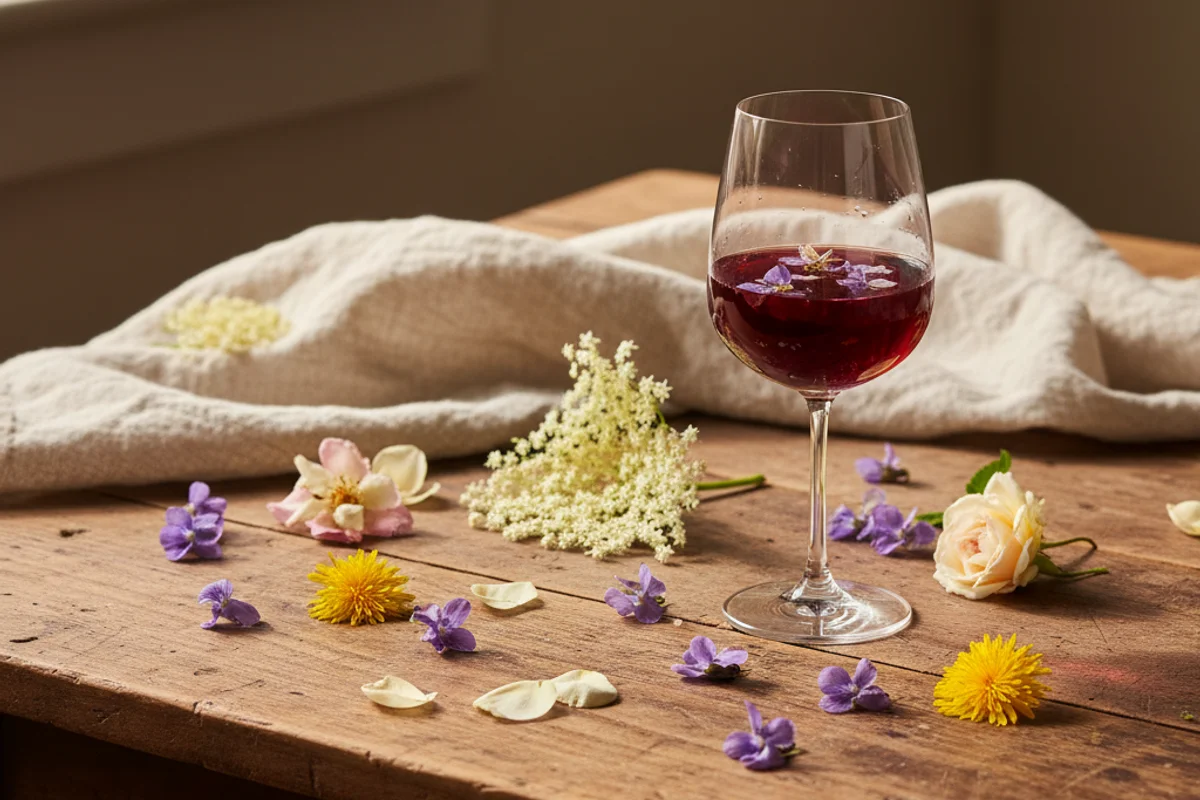
Think about what a garden smells like in full bloom — that layered rush of sweet, spicy, and green all hitting you at once. Now imagine capturing that in a bottle. Flower wines do exactly that, pulling aromatic compounds out of petals and suspending them in a fermented base that can range from bone-dry to lightly sweet. Lavender goes floral and herbal. Hibiscus goes tart and cranberry-bright. Dandelion goes honey-golden and complex. The raw material is sitting in your backyard, or at the farmers market, or in the produce aisle — and it makes wine that will genuinely surprise people.
The beginner trap: Using too many strongly flavored flowers (like lavender or elderflower) — more petals does not mean better wine; it means an overpowering, soapy, or medicinal result that no amount of aging will fix.
Ingredients
Note: This is a general framework. Quantities for flowers vary widely — see the Notes section for how to calibrate.
- 2–8 cups fresh flower petals (variety of your choice; see flower list below)
- 2–2¼ lbs granulated white sugar (adjust to target SG 1.085–1.095)
- 1 gallon water, divided
- 1½ tsp acid blend (or juice of 2 lemons as a substitute)
- ½ tsp pectic enzyme
- ¼ tsp grape tannin (or 1 cup strong-brewed plain black tea)
- 1 tsp yeast nutrient
- 1 Campden tablet, crushed (potassium metabisulfite)
- 1 packet wine yeast (Lalvin 71B or EC-1118 work well for delicate flowers)
Method
- Taste a few petals raw and brew a small cup of flower tea — the strength of that tea tells you how intensely the flavor will carry into the wine, so adjust your petal quantity up or down before you commit to a full batch.
- Remove all green parts, stems, and sepals from the flowers; green plant matter adds bitterness you do not want.
- Bring half the water to a boil, dissolve the sugar completely, then pour it over the petals in your primary fermenter.
- Add the remaining water (cool), then stir in acid blend, tannin, and yeast nutrient; let the must cool to below 75°F.
- Add the crushed Campden tablet, stir well, cover loosely, and wait 24 hours.
- Add pectic enzyme, stir, cover again, and wait another 12 hours.
- Check and record your starting specific gravity with a hydrometer, then pitch your yeast.
- Stir the must once or twice daily for 3–5 days, then strain out the petals and transfer to a glass carboy fitted with an airlock.
- Rack to a clean carboy when fermentation slows (around SG 1.020), then again once fermentation is fully complete and the wine begins to clear.
- Age in a sealed, topped-up vessel; bottle when clear and stable, then age in bottle per the flower type (see Notes).
Why this works
Flower petals hold their aromatic compounds — primarily terpenes and esters — in tiny glands on the petal surface. Hot water breaks those glands open and pulls the aromatics into solution. The problem is that terpenes are volatile and finicky: too much heat or too long a soak and they break down or go bitter. Yeast then reshuffles the aromatic deck entirely during fermentation, converting some compounds into new esters with different (often softer) flavor profiles. This is why your tea tastes different from your finished wine — and why you cannot predict the outcome without making the batch. Pectic enzyme is especially important here because flower musts have no natural fruit acids to help break down cell walls, and without it the wine can stay stubbornly hazy for months.
Notes
Aging guidelines by flower type: Dandelion benefits from 12+ months. Rose petals hit their stride around 6–12 months. Hibiscus is drinkable young but noticeably better at 6 months. Chamomile is best between 6 months and 2 years — after that it fades. When working with an unfamiliar flower and no recipe to guide you, bottle 3–4 small bottles (standard beer bottles with corks work fine) and taste one at 3, 6, 9, and 12 months.
Safety note: Use petals only — never leaves or stems unless a specific recipe calls for them. Some plants produce safe flowers on otherwise toxic foliage. If you have hay fever or seasonal allergies, avoid composite flowers like chrysanthemums, dahlias, and sunflowers, which carry pollen allergens.
Sourcing: Dried culinary flowers (lavender, hibiscus, chamomile, rose petals) are available at most health food stores and online — these work well and eliminate seasonal timing problems. Use about half the volume of dried flowers compared to fresh.
Edible Flowers Suitable for Winemaking
Below is a reference list of flowers that can be used as the base for homemade wine. Start with ones you can source easily and taste reliably before moving into unfamiliar territory.
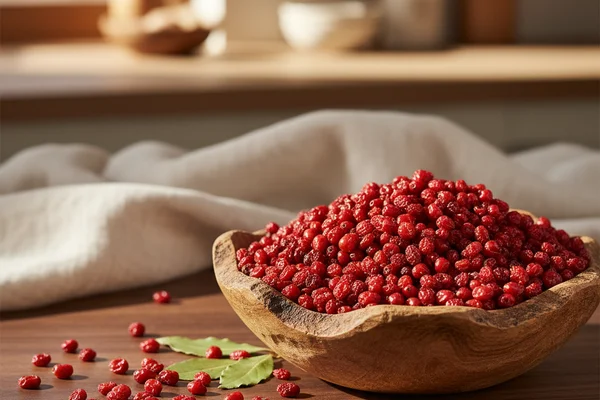
| Allegheny barberries | Gladiolus flowers | Prairie onion flowers |
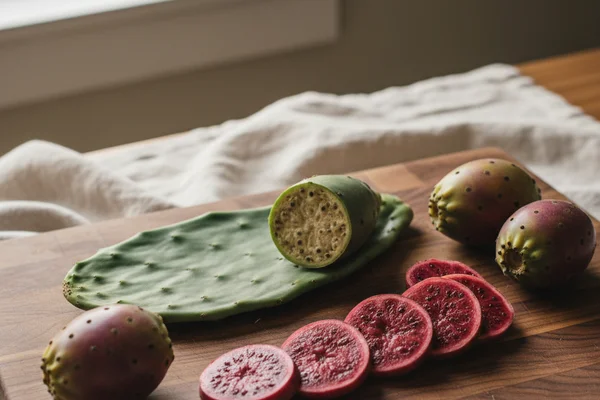
| Alliums | Golden wattles | Prickly pear blossoms |
| Angelica flowers | Good King Henrys | Primroses |
| Anise hyssop flowers | Gorse flowers | Pumpkin blossoms |
| Apple blossoms | Grapefruit blossoms | Purple milkweed flowers |
| Apricot petals | Grape hyacinths | Queen Anne’s lace |
| Arugula flowers | Green wattles | Quince blossoms |
| Bachelor’s button petals | Hawthorn flowers | Radish flowers |
| Banana blossoms | Hibiscus flowers | Red alders |
| Basil flowers | Hog plum blossoms | Redbuds |
| Bean blossoms | Hollyhocks | Red clover |
| Bee balm petals | Honeysuckles | Rhododendrons |
| Begonias | Huisache flowers | Rhubarb flowers |
| Bellflowers | Hyacinth bean flowers | Rose petals |
| Bergamots | Hyssops | Roselle |
| Bermuda buttercups | Impatiens | Rosemary flowers |
| Birch flowers | Indian cress | Rose of Sharon petals |
| Bird cherries | Indigo bush flowers | Russian sage flowers |
| Black locust blossoms | Iron cross plant flowers | Safflowers |
| Borage blossoms | Jamaica sorrels | Sage blossoms |
| Broccoli flowers | Japanese apricot blossoms | Salmonberry petals |
| Buffalo gourd blossoms | Japanese honeysuckles | Salsify flowers |
| Burnet flowers | Japanese wisterias | Savory flowers |
| Butterfly ginger flowers | Jasmine flowers | Scarlet runner beans |
| Cactus blossoms | Johnny jump-ups | Scotch brooms |
| Calendula petals | Joshua tree blossoms | Scotch thistles |
| Camellias | Judas tree flowers | Shallot flowers |
| Carnations | Kenaf flowers | Sloe flowers |
| Chamomile flowers | Kudzu flowers | Snapdragons |
| Charlocks | Kumquat blossoms | Sorrels |
| Cherry blossoms | Lavateras | Southern magnolia petals |
| Chervil flowers | Lavender flowers | Spiderwort petals |
| Chicory petals | Leek flowers | Spring beauty flowers |
| China rose petals | Lemon blossoms | Squash blossoms |
| Chinese catalpas | Lemon verbenas | Star of Bethlehems |
| Chinese chives | Lespedezas | Strawberry flowers |
| Chinese hibiscus | Lilacs | Sunflower buds |
| Chinese lanterns | Lilac oxalis | Sunflower petals |
| Chinese wisterias | Lily buds | Sweet briars |
| Chive blossoms | Lily of the valley | Sweet coltsfoots |
| Chocolate lilies | Lime blossoms | Sweet pepper flowers |
| Chrysanthemums | Linden flowers | Sweet violets |
| Cinnamon rose petals | Locust blossoms | Sweet Williams |
| Clary flowers | Lovage flowers | Sweet woodruff |
| Clovers | Magnolia petals | Tangerine blossoms |
| Cloudberry petals | Mallow blossoms | Tansies |
| Coltsfoots | Marigolds | Thimbleberry petals |
| Columbines | Mariposa lilies | Thyme flowers |
| Common milkweed | Marjoram flowers | Tiger lily buds |
| Common thistle | Marsh marigolds | Tree peonies |
| Coreopsis | Marsh violets | Trout lilies |
| Coriander flowers | Maypops | Tulip petals |
| Cornflower petals | Meadowsweets | Vervains |
| Corn poppies | Melilots | Violas |
| Cow parsnips | Mimosa blossoms | Violets |
| Cowslips | Mint flowers | Water hyacinths |
| Crabapple blossoms | Monardas | Water lily petals |
| Currant flowers | Morning star lilies | Water lotus petals |
| Dahlias | Mountain bells | Wax gourd blossoms |
| Daisies | Mush mallows | Western columbine |
| Dandelion petals | Mustard flowers | Western redbuds |
| Day flowers | Nasturtiums | White alders |
| Daylilies | Nectarine blossoms | White clover |
| Dianthus | Okra blossoms | White trumpet lilies |
| Dill flowers | Onion flowers | Wild columbines |
| Dog violets | Orange blossoms | Wild onion flowers |
| Elderberry flowers | Oxeye daisies | Wild plum blossoms |
| English daisy petals | Oyster plant flowers | Wild raspberry petals |
| English primroses | Pansies | Wild rose petals |
| Evening primroses | Passion flowers | Wisteria |
| Feijoa flowers | Pea blossoms | Winter sweets |
| Fennel flowers | Peach blossoms | Wood rose petals |
| Field garlic flowers | Pear blossoms | Wood sorrels |
| Gardenia blossoms | Peonies | Wooly thistles |
| Garden sorrel flowers | Pineapple guava flowers | Yarrow flowers |
| Garlic flowers | Pineapple sage flowers | Yellow rockets |
| Geraniums | Pink sorrels | Yellow sorrels |
| Ginger petals | Plum blossoms | Yucca blossoms |