DANDELION AND BERRY WINE
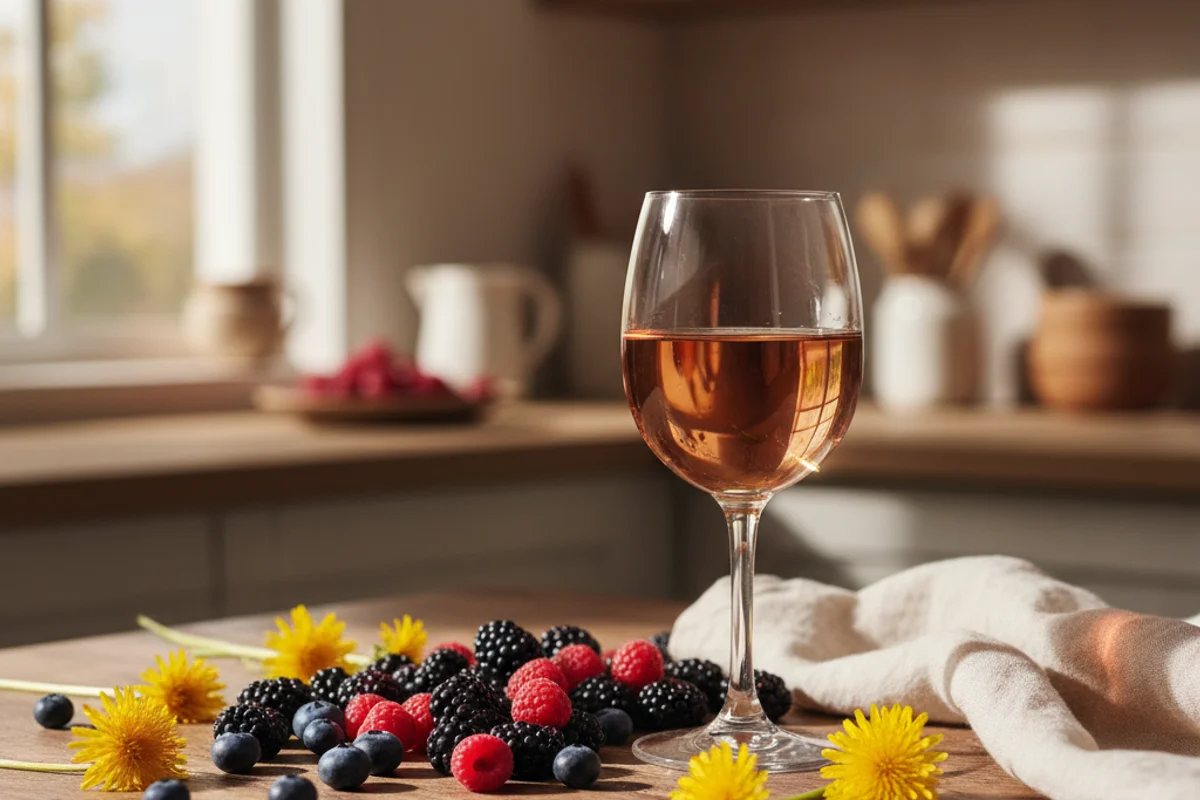
Dandelions are the weed your neighbors hate and your wine rack will love. On their own, they produce a light, honey-toned wine with a faintly herbal edge. Pair them with blackberries and something interesting happens: the berry rounds out the floral notes without bulldozing them. The result is a dry, complex wine that tastes nothing like a backyard accident. These two recipes — one built on blackberries and sugar, one on black raspberries and honey — prove that the best ingredients are sometimes the ones you didn’t pay for.
The beginner trap: Using the whole dandelion flower instead of petals only — the green parts turn bitter fast and will ruin the batch.
Ingredients
Dandelion & Blackberry Wine
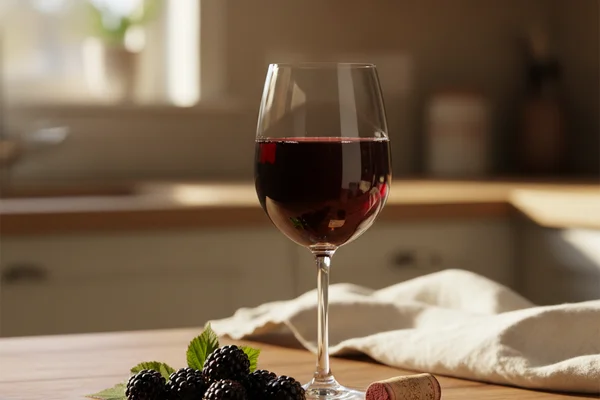
- 2 quarts dandelion petals (green parts removed and discarded)
- 2 cups blackberries, fresh or frozen
- 2 lbs granulated white sugar
- 1 large lemon
- 1 large orange
- 5½ pints water (about 11 cups)
- 1 tsp yeast nutrient
- 1 Campden tablet, crushed
- ¼ tsp wine tannin (or 1 strong cup of plain black tea)
- 1 packet wine yeast (Lalvin 71B or EC-1118 work well)
Dandelion & Black Raspberry Wine (Mead-style)
- 2 quarts dandelion petals (green parts removed and discarded)
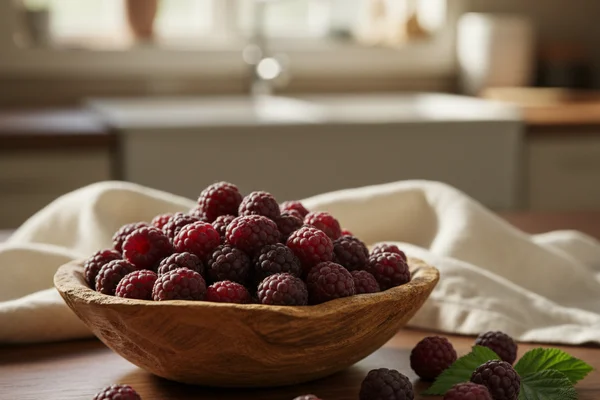
- 1 cup black raspberries, fresh or frozen
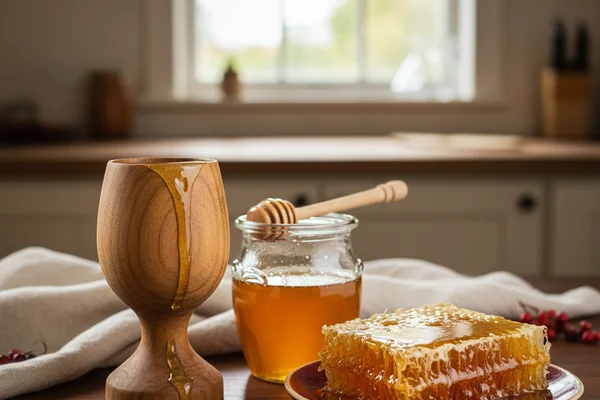
- 5 cups honey (any mild variety; clover or wildflower work great)
- 1 large lemon
- 1 large orange
- One 4-inch cinnamon stick
- 5½ pints water (about 11 cups)
- 1 tsp yeast nutrient
- 1 Campden tablet, crushed
- ¼ tsp wine tannin (or 1 strong cup of plain black tea)
- 1 packet wine yeast
Method
Dandelion & Blackberry Wine
- Strip the petals from the dandelion flowers and discard every bit of green stem and base. Bring the water to a full boil.
- Use a vegetable peeler to remove the zest from the lemon and orange in thin strips, then cut away and throw out the white pith. Slice the fruit thinly.
- Place the petals, citrus slices, citrus zest strips, and blackberries into a nylon straining bag, tie it shut, and set it in your primary fermenter.
- Add the sugar directly to the fermenter, then pour the boiling water over the bag and stir until every grain of sugar is dissolved.
- Cover the fermenter and let it cool to room temperature. Once cool, stir in the tannin, yeast nutrient, and your activated wine yeast. Re-cover.
- Squeeze the bag and stir the must once daily for five days to pull flavor from the fruit and petals.
- On day five, lift the bag and let it drip-drain back into the fermenter. Give it a gentle squeeze, then discard the solids.
- Dissolve the crushed Campden tablet in a half-cup of warm water and stir it into the must. Re-cover and let fermentation continue until you hit a specific gravity of 1.010 (roughly 14–21 days).
- Rack into a glass secondary fermenter and fit an airlock. Rack again every 30 days for the next 90 days, topping up each time.
- After the final rack, add stabilizer, let the wine settle for two weeks, then rack into bottles. Age at least one year before drinking.
Dandelion & Black Raspberry Wine (Mead-style)
- Strip the petals from the dandelion flowers and discard all green parts. Bring the water to a boil.
- Peel the zest from the lemon and orange in thin strips. Remove and discard the white pith, then slice the fruit thinly.
- Place the petals, citrus slices, citrus zest, cinnamon stick, and black raspberries in a nylon straining bag, tie it shut, and set it in your primary fermenter.
- Add the honey to the fermenter, then pour the boiling water over the bag. Stir continuously until the honey is fully dissolved.
- Cover the fermenter. As it cools, stir in the tannin and yeast nutrient. Once the must reaches room temperature, sprinkle the yeast over the surface and re-cover.
- Squeeze the bag and stir the must once daily for five days.
- On day five, lift the bag, let it drip-drain, squeeze gently, and discard the solids.
- Dissolve the crushed Campden tablet in a half-cup of warm water and stir it in. Re-cover and ferment down to a specific gravity of 1.010 (14–21 days).
- Rack into a glass secondary fermenter and fit an airlock. Rack every 30 days for 90 days, topping up each time.
- After the final rack, stabilize, let settle for two weeks, rack into bottles, and age at least one year.
Why this works
Dandelion petals contain delicate aromatic compounds that dissolve easily in hot water but burn off just as easily if you boil them directly. Pouring boiling water over a closed straining bag extracts those flavors gently while the bag protects the petals from violent agitation. Daily squeezing then acts like a slow press, coaxing out more flavor each day without releasing excessive bitterness. The citrus pith warning isn’t just fussiness — pith is loaded with bitter-tasting compounds called limonoids that will persist all the way to the finished bottle. In the mead-style version, honey’s natural antimicrobial properties slow fermentation slightly, which is why the recipe sticks to just one cup of raspberries: their anthocyanin-rich juice is potent enough at that volume to color and flavor the wine without covering up the floral character you worked hard to preserve.
Notes
Timing is the real challenge here: dandelions bloom in spring, berries ripen in summer. Frozen blackberries or frozen black raspberries from the grocery store solve this completely and perform just as well as fresh. Do not increase the raspberry quantity in the mead-style recipe — black raspberry flavor is assertive and will easily overwhelm the dandelion. If you cannot find wine tannin, one cup of very strong, cooled black tea is a reliable grocery-store stand-in.