Dandelion Wines
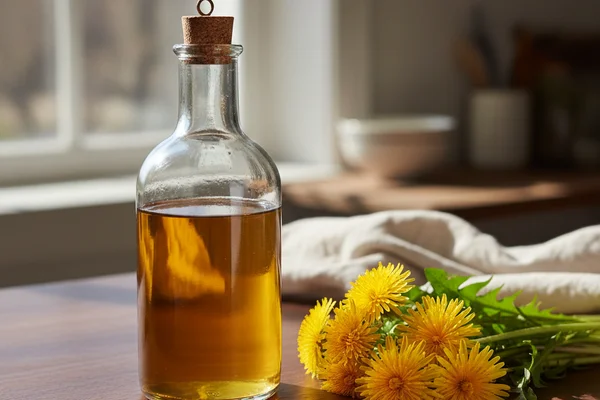
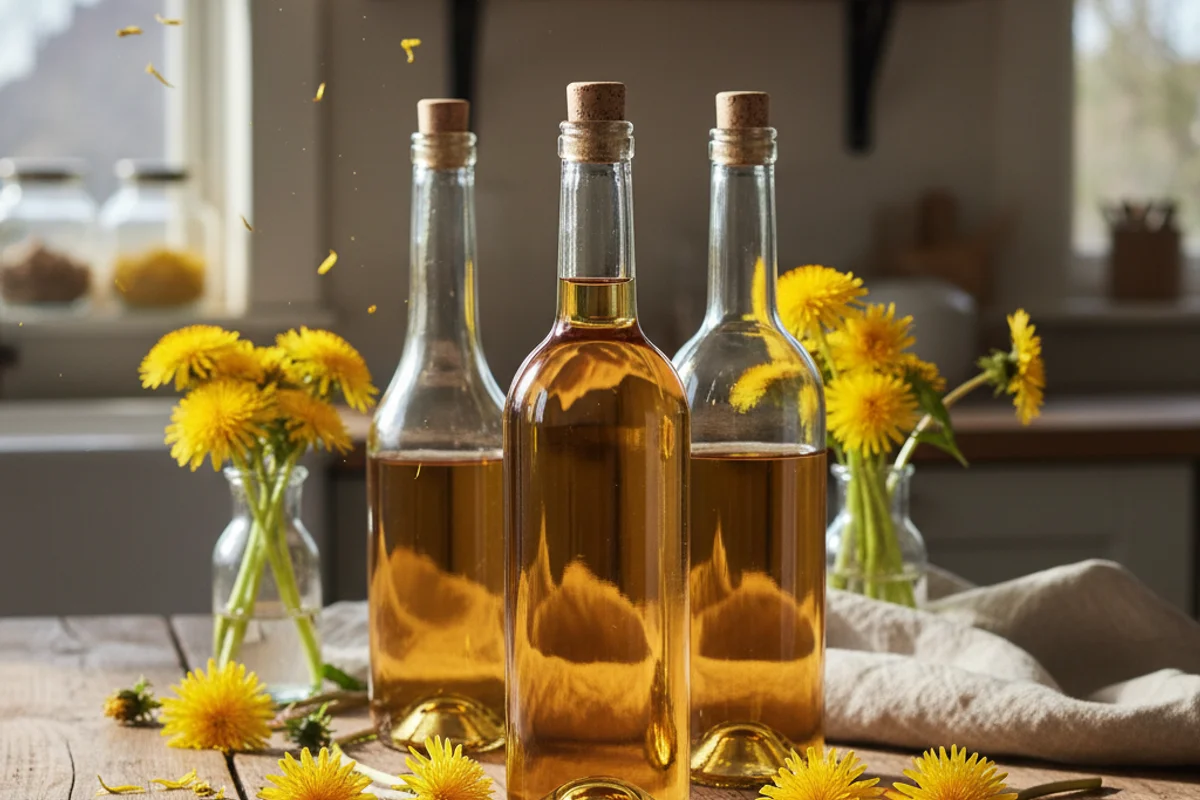
Every spring, lawns across North America stage a yellow rebellion, and most people reach for the herbicide. The smarter move? Reach for a fermentation jug. Dandelion wine is one of the oldest country wines in existence — pale gold in the glass, floral and faintly honeyed on the nose, and surprisingly bright on the palate. It’s the kind of wine that tastes like a warm afternoon even when it’s February and you’re drinking the last bottle from your cellar.
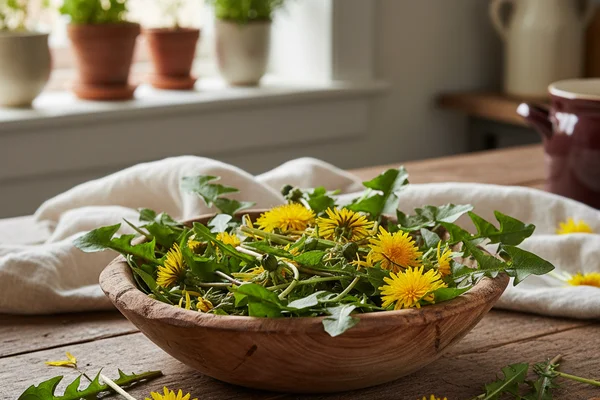
The beginner trap: Leaving the green parts of the flower head in the must — the bitter chlorophyll they release will haunt every glass.
Recipe 1 — Dandelion Wine with Body
Makes 1 gallon. Fuller-bodied, good with pasta or roasted chicken.
Ingredients
- 3 quarts dandelion flower heads, green base trimmed off, stalks removed
- 2 lbs granulated white sugar
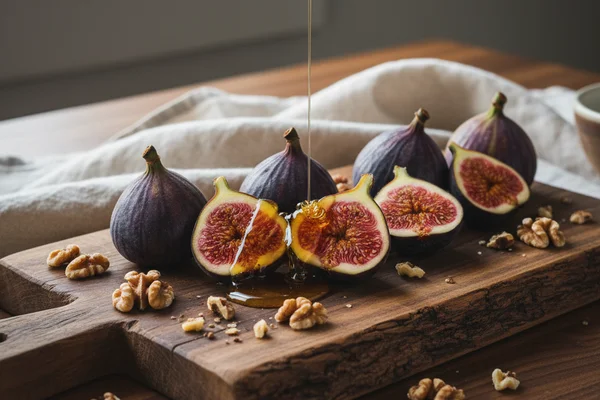
- 1 lb golden raisins (or golden figs, roughly chopped)
- 2 lemons, zested and juiced (avoid the white pith)
- 1 orange, zested and juiced (avoid the white pith)
- 1 gallon water, divided (set aside 1 pint before starting)
- 1 packet wine yeast (Lalvin 71B or EC-1118 for drier results)
- 1 tsp yeast nutrient
Method
- Place trimmed flower heads in a large heatproof bowl. Bring roughly 7 pints of the water to a full boil, then pour it over the flowers and cover tightly with plastic wrap or a clean cloth.
- Let the flowers steep for exactly two days at room temperature, stirring the mixture twice each day. Do not go longer than two days.
- Pour the flower-water mixture into a large pot and bring it to a low boil. Add the sugar and the citrus zest, then boil gently for one hour.
- Pour the hot liquid into a sanitized crock or food-grade plastic bucket. Stir in the citrus juice and pulp, then let it cool to 70–75°F.
- Stir in the yeast and yeast nutrient, cover loosely, and move to a warm spot. Let it ferment for three days, stirring once daily.
- Strain out all solids and pour the liquid into a sanitized 1-gallon fermentation jug. Add the raisins, then fit an airlock.
- Let fermentation run until all bubbling stops completely — usually 4–6 weeks.
- Rack the wine off the sediment into a clean jug. Top up with the reserved pint of water (plus a little extra if needed) until only about 1 inch of headspace remains. Refit the airlock.
- Wait for the wine to clear, rack once more, then bottle. Age at least 6 months before opening; one full year is better.
Recipe 2 — Midday Dandelion Wine
Makes 1 gallon. Lighter body, more floral — great with salads and fish.
Ingredients
- 2 quarts dandelion petals or trimmed flower heads (as much green removed as possible)
- 2 lbs granulated white sugar
- 4 medium oranges, zested and juiced (no white pith)
- 1 gallon water
- 1 packet wine yeast (Lalvin 71B or champagne yeast for a drier style)
- 1 tsp yeast nutrient
Method
- Pick flowers at midday when they are fully open. Remove as much green material from the base of each flower head as you can — aim for petals only.
- Bring the full gallon of water to a boil. Pour it over the flowers in a large heatproof bowl or bucket, then cover with a clean cloth.
- Steep for exactly two days. Do not go past two days.
- Pour the mixture back into a pot and bring to a boil. Add the orange zest strips and boil for 10 minutes.
- Strain through a fine cloth or mesh bag into a sanitized bucket containing the sugar. Stir well until the sugar fully dissolves.
- Let the liquid cool to 70–75°F, then stir in the orange juice, yeast, and yeast nutrient.
- Transfer to a sanitized 1-gallon fermentation jug and fit an airlock. Ferment until all activity stops.
- Once the wine clears, rack off the sediment and bottle. Age at least 6 months; one year gives noticeably better results.
Why this works
Dandelion flowers are loaded with aromatic compounds but have almost no sugar, acid, or body-building structure of their own. That’s why this recipe leans on three helpers. Sugar feeds the yeast and sets the final alcohol level. Citrus peel adds aromatic terpenes and a little natural pectin; citrus juice adds tartaric and citric acid, which keeps the wine bright and helps it resist spoilage. Raisins in Recipe 1 contribute unfermentable sugars, mild tannins, and trace minerals — giving the finished wine some weight and mouthfeel that dandelions alone can’t provide. The two-day hot steep pulls flavor and color compounds out of the petals through a process similar to making tea; going longer starts to extract off-flavors from any remaining plant material.
Notes
- To adjust sweetness: use champagne yeast for a drier wine, or dissolve an extra ¼ lb of sugar into a small amount of wine just before bottling (add ½ tsp potassium sorbate per gallon at the same time to prevent re-fermentation in the bottle).
- Can’t find golden raisins? Chopped dried dates or golden figs work as body-builders and keep the wine’s pale color intact; dark raisins will turn the wine slightly amber.
- If dandelions aren’t in season, freeze freshly picked flower heads in zip-top bags — thaw completely and use as you would fresh.